
Blog

Home – Blog

Restoration Blog

Real Stories, Real Recovery

Explore how Total Dry Restoration helps homeowners overcome water, fire, and mold damage. One story at a time.

Seattle-Area Fall Rain Damage Checklist: Water, Mold, and Smoke-Safety Risks

Seattle-Area Fall Rain Damage…

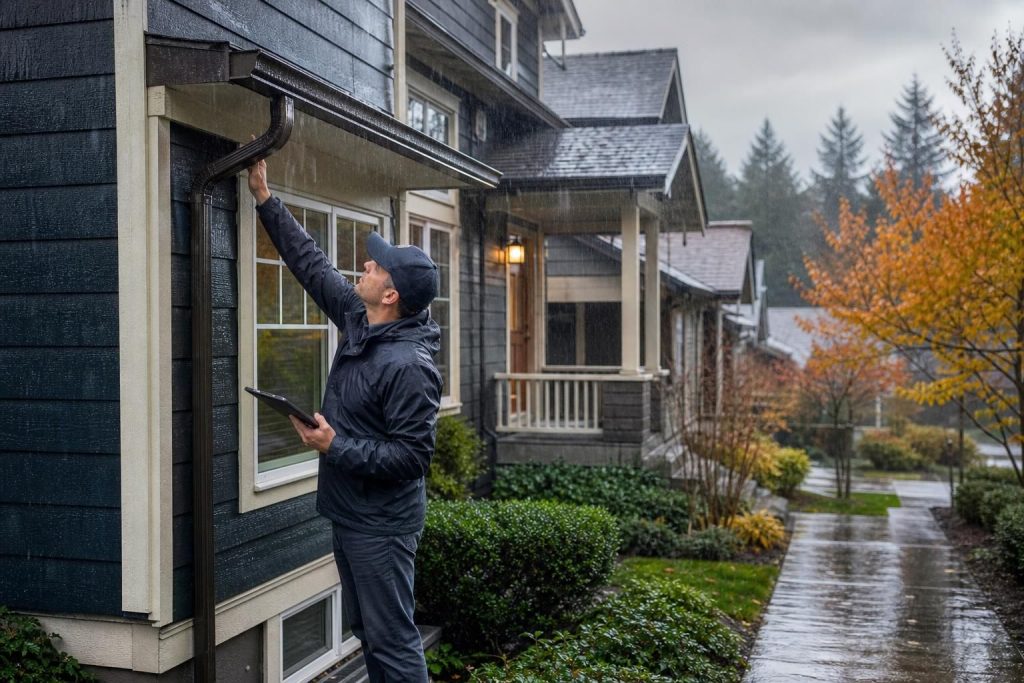
Seattle-area fall rain can turn small weak spots into wet drywall, musty crawl spaces, and overflowing gutters fast. Use this Seattle fall rain home damage…

Odor Removal After Hoarding Cleanup: What Causes the Smell and How It Is Treated

Odor Removal After Hoarding…

Odor removal after hoarding cleanup often takes more than taking out clutter, trash, and visible debris. That’s because smells can settle into porous materials, hide…

Hoarding Cleanup Process: Safety, Sorting, Cleaning, and Restoration

Hoarding Cleanup Process: Safety,…

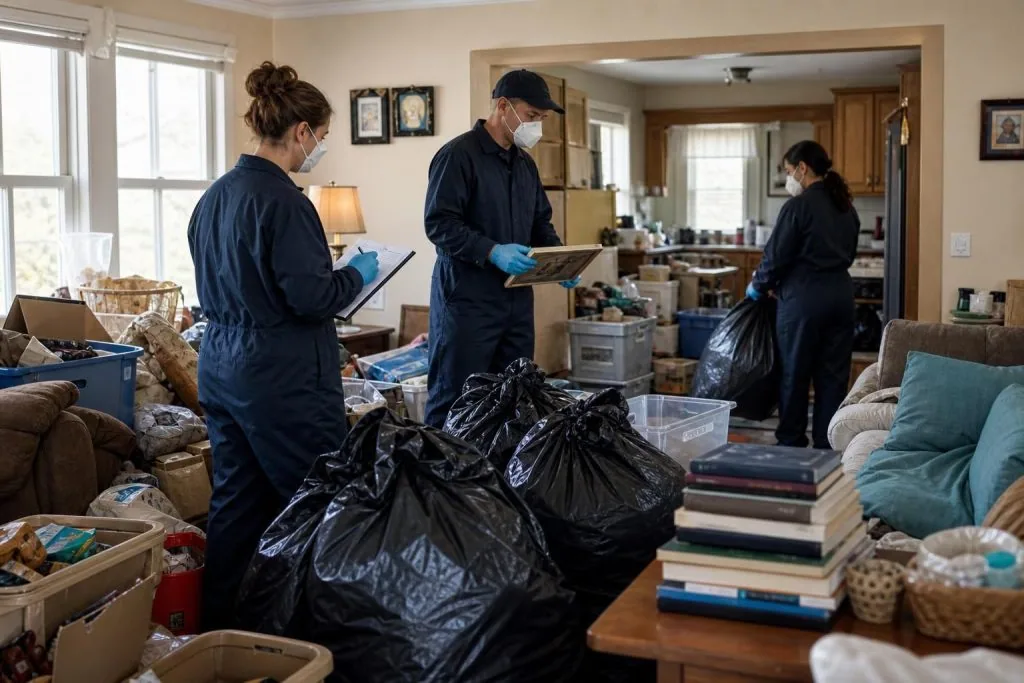
The hoarding cleanup process is a careful step-by-step service that starts with safety, then moves through assessment, sorting, removal, deep cleaning, and restoration. If you’re…

Lead Paint Testing Before Restoration: When Repairs Can Create Dust

Lead Paint Testing Before…

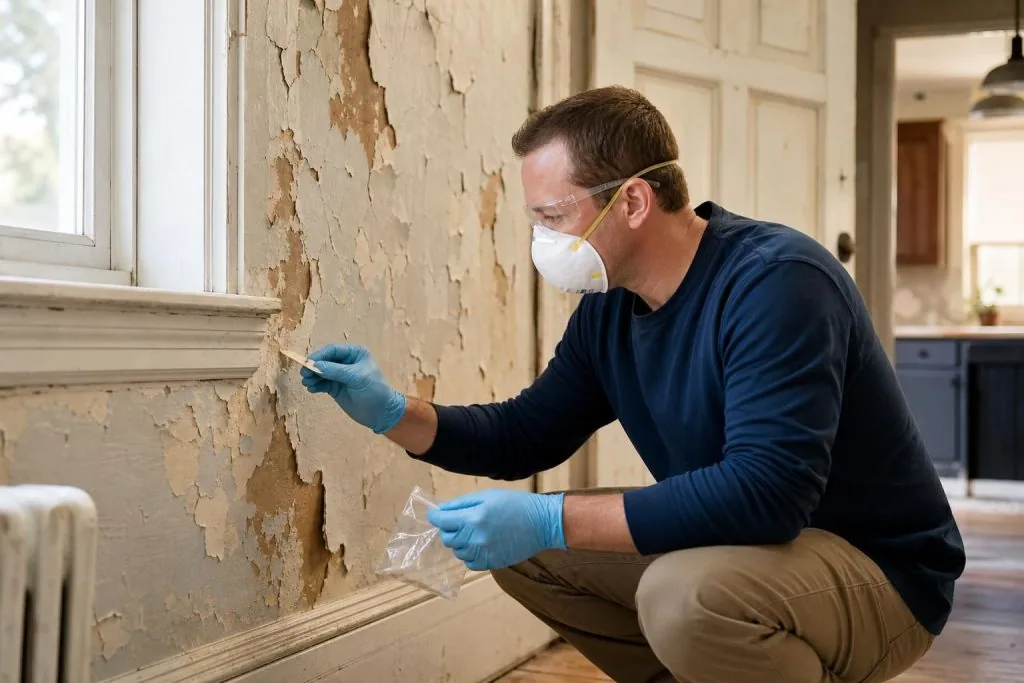
Restoration work can turn old painted surfaces into dust faster than most homeowners expect. That’s why lead paint testing before restoration is worth considering before…

Sewage Backup Cleanup: What to Do First and What Not to Touch

Sewage Backup Cleanup: What…

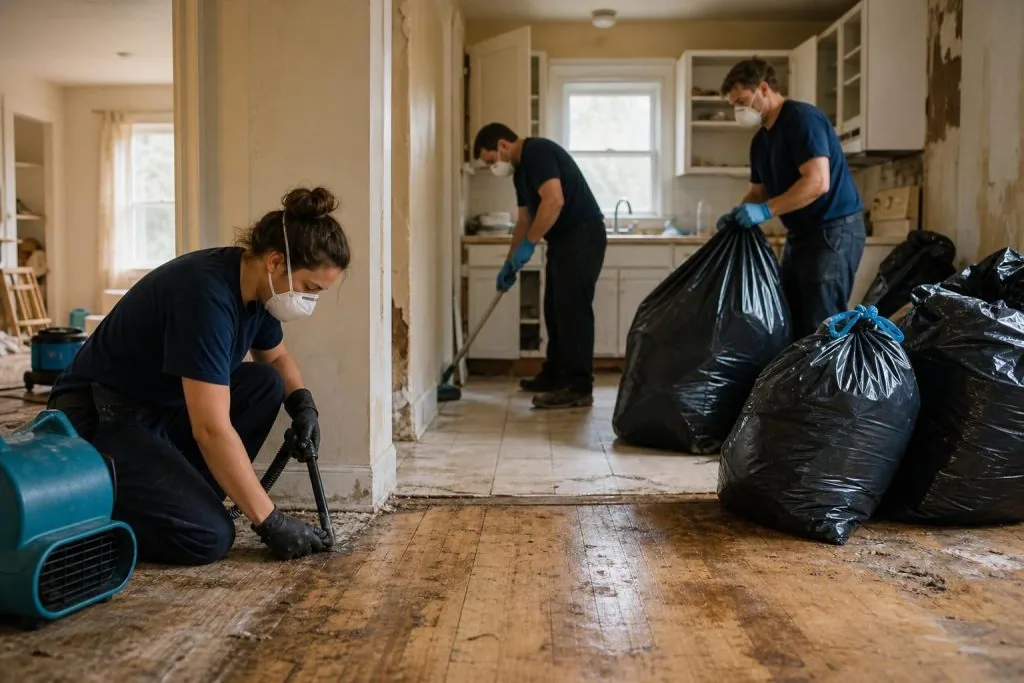
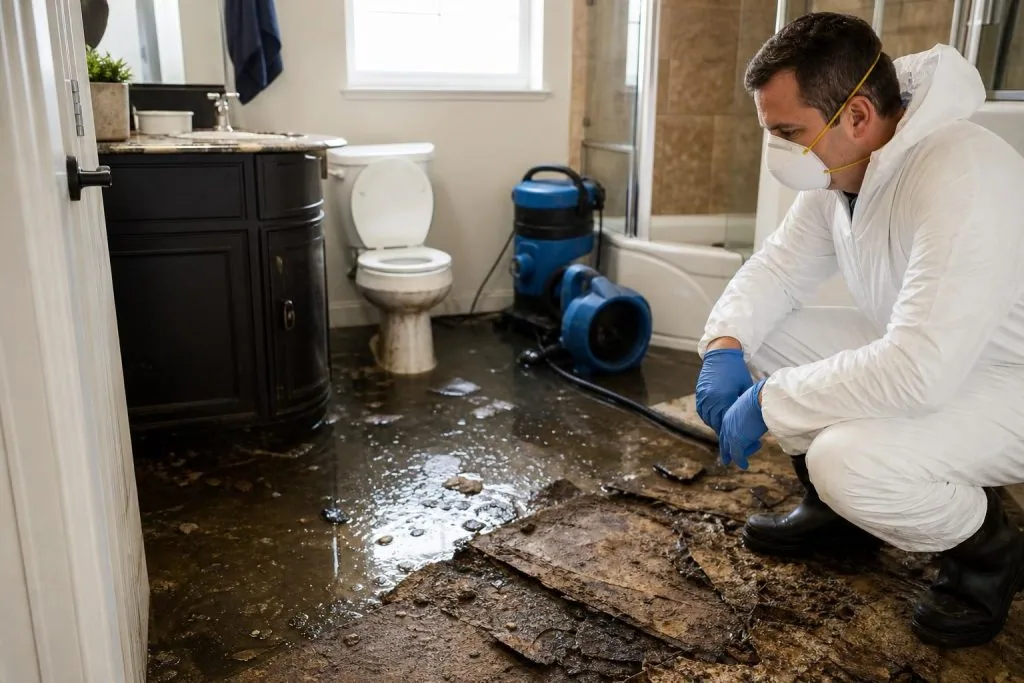
Sewage backup cleanup begins with safety, not scrubbing. Sewage is contaminated water, often called black water, so anything it touches should be treated as unsafe…

Asbestos Testing Before Renovation: When Older Homes Need a Sample

Asbestos Testing Before Renovation:…

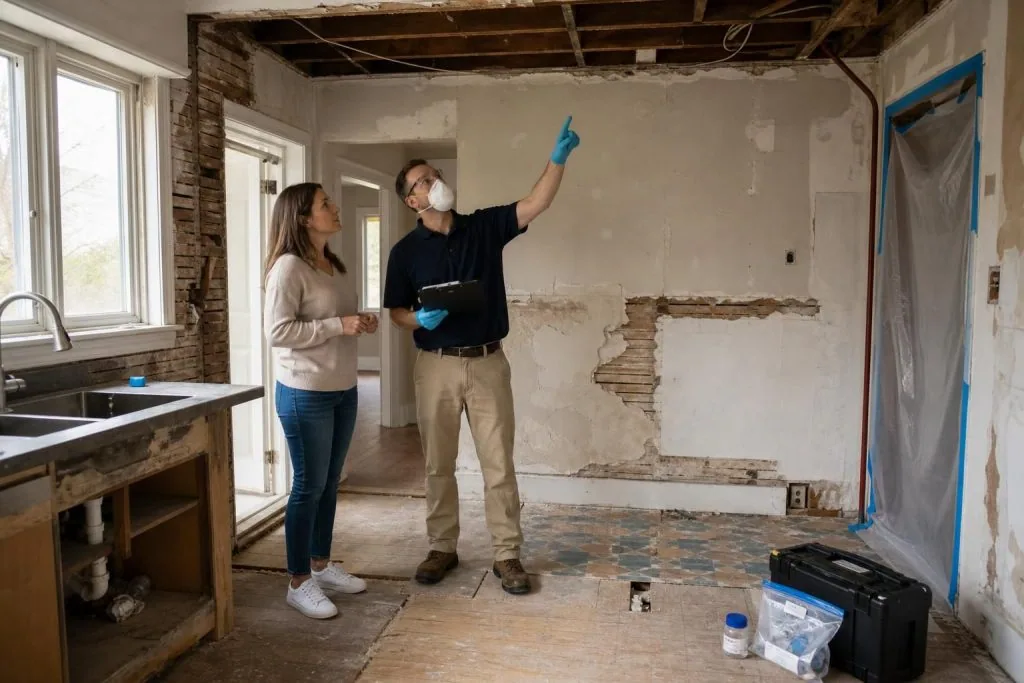
Asbestos testing before renovation is needed when an older home project may cut, drill, scrape, sand, remove, or demolish materials that could contain asbestos. The…

Attic Mold After a…

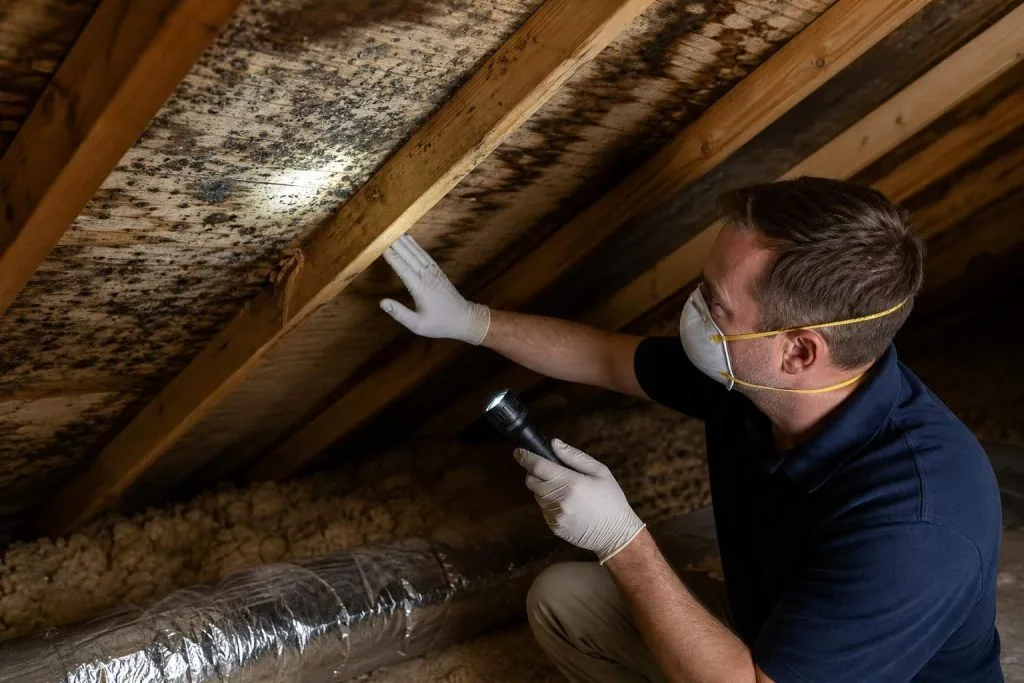
A roof leak can cause attic mold when moisture soaks into insulation, wood framing, or roof sheathing and stays trapped. A fresh leak may only…

Fire Damage Insurance Claim…

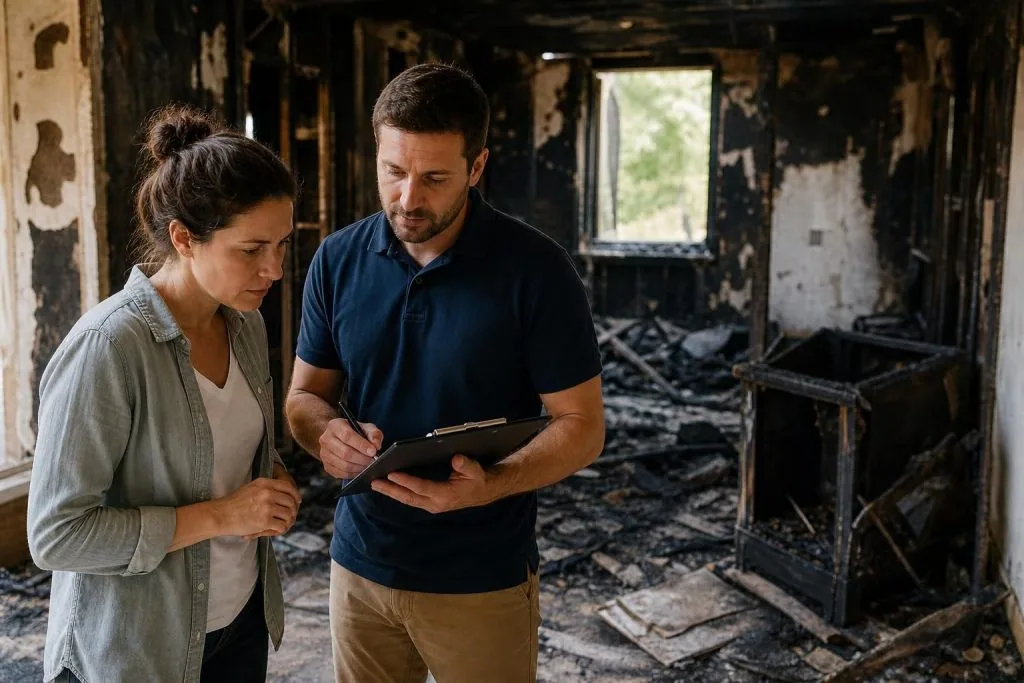
After a house fire, the first job is to stay safe, avoid rushing cleanup, and save proof before the scene changes. These fire damage insurance…

Water Damage and Asbestos:…

Before you touch wet ceiling tiles, swollen wallboard, or crumbling plaster, ask one question: could this material be old enough to contain asbestos? Not all…

What Happens During Mold…

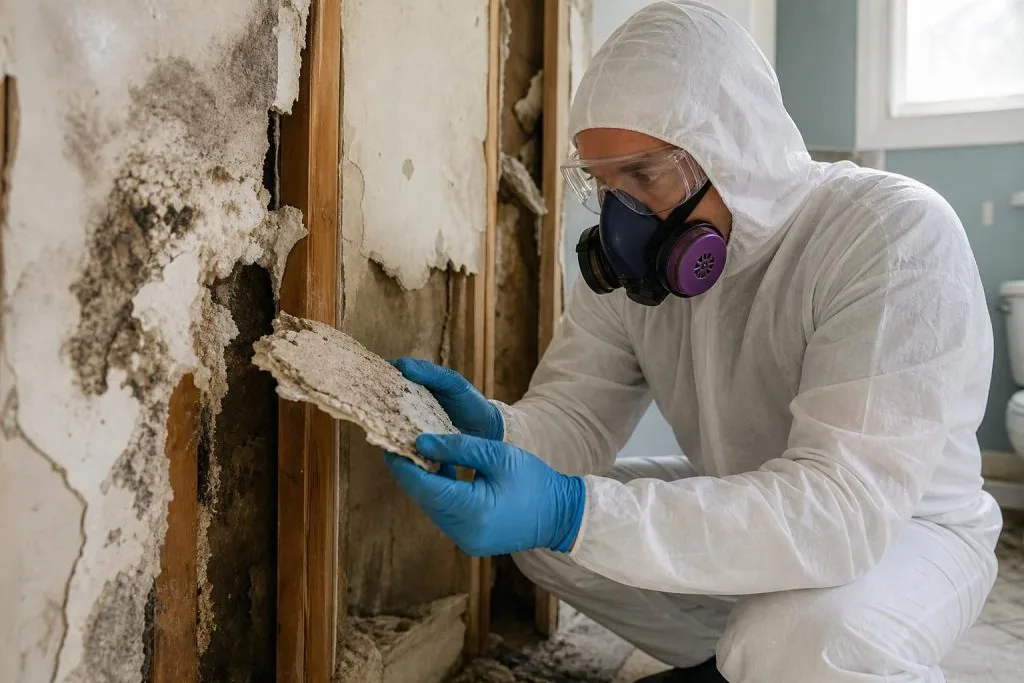
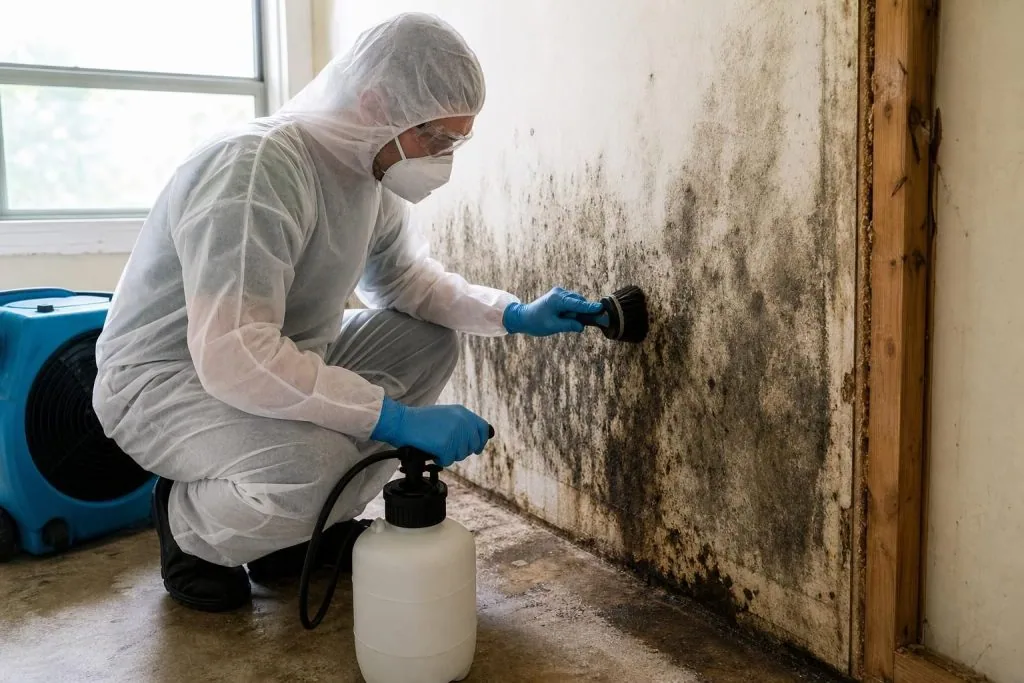
The mold remediation process is the step-by-step work used to find mold, stop it from spreading, remove contaminated materials, dry the area, and make sure…

HVAC Smoke Damage After…

Yes, your HVAC system should be inspected after a fire if smoke was anywhere near returns, vents, filters, or the indoor air handler. HVAC smoke…

Category 3 Water Damage:…

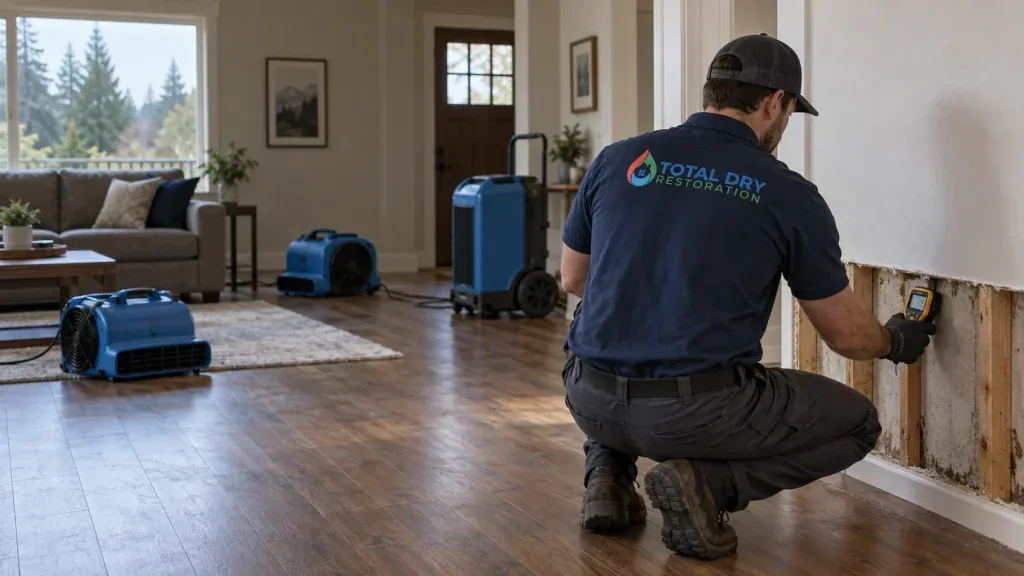
Category 3 water damage means water has touched dangerous contamination, so the cleanup plan changes right away. This is the kind of water homeowners often…

Powered by Total Dry Restoration

Need Fast, Certified Help? Let’s Restore Your Home Today.

Water, mold, or contamination — when damage happens, every moment matters.
Our certified restoration experts are ready 24/7 to bring your property and peace of mind back fast.

Request Your Free On-Site Assessment

Proudly Partnered with Certified Experts and Industry Leaders

Get in Touch

We’re Here When You Need Us Most

Every message matters during an emergency. Reach out anytime – our restoration team is ready to respond with support, answers, and reliable guidance.

FAQ

Everything You Need to Know

From emergencies to restoration timelines, find all the key answers in one simple place.

Property damage restoration includes assessing the damage, stopping further issues, cleaning the affected areas, repairing what’s broken, and ensuring your home is safe. Our team uses certified tools and methods to restore your space quickly and correctly.

Yes. Fast professional restoration prevents mold, structural issues, and further deterioration - saving thousands in long-term repairs.

Most projects take a few days to a week, depending on the type and extent of water, fire, or mold damage.

Minor issues can be handled at home, but larger damage requires professional drying, cleaning, and repairs to avoid hidden risks.

In most cases, yes. With proper cleanup and repairs, your home can be restored to a safe, clean, and fully livable condition.