
Seattle-area fall rain can expose weak spots around roofs, gutters, windows, doors, and below-grade rooms. Use this checklist before a forecast storm and repeat it after several days of heavy rain.
- Walk the exterior and check gutters, downspouts, roof edges, siding, windows, doors, drains, and grading.
- Look inside basements, garages, crawl spaces, attics, and utility areas for stains, softness, condensation, or damp smells.
- Check smoke alarms, heating vents, and nearby walls or ceilings before you run heat regularly.
- Photograph anything new and call for help if water is spreading, hidden, or moldy.
Quick Answer
Before the first long stretch of fall rain, walk your home once outside and once inside, then write down anything that looks wet, stained, soft, musty, or unsafe.
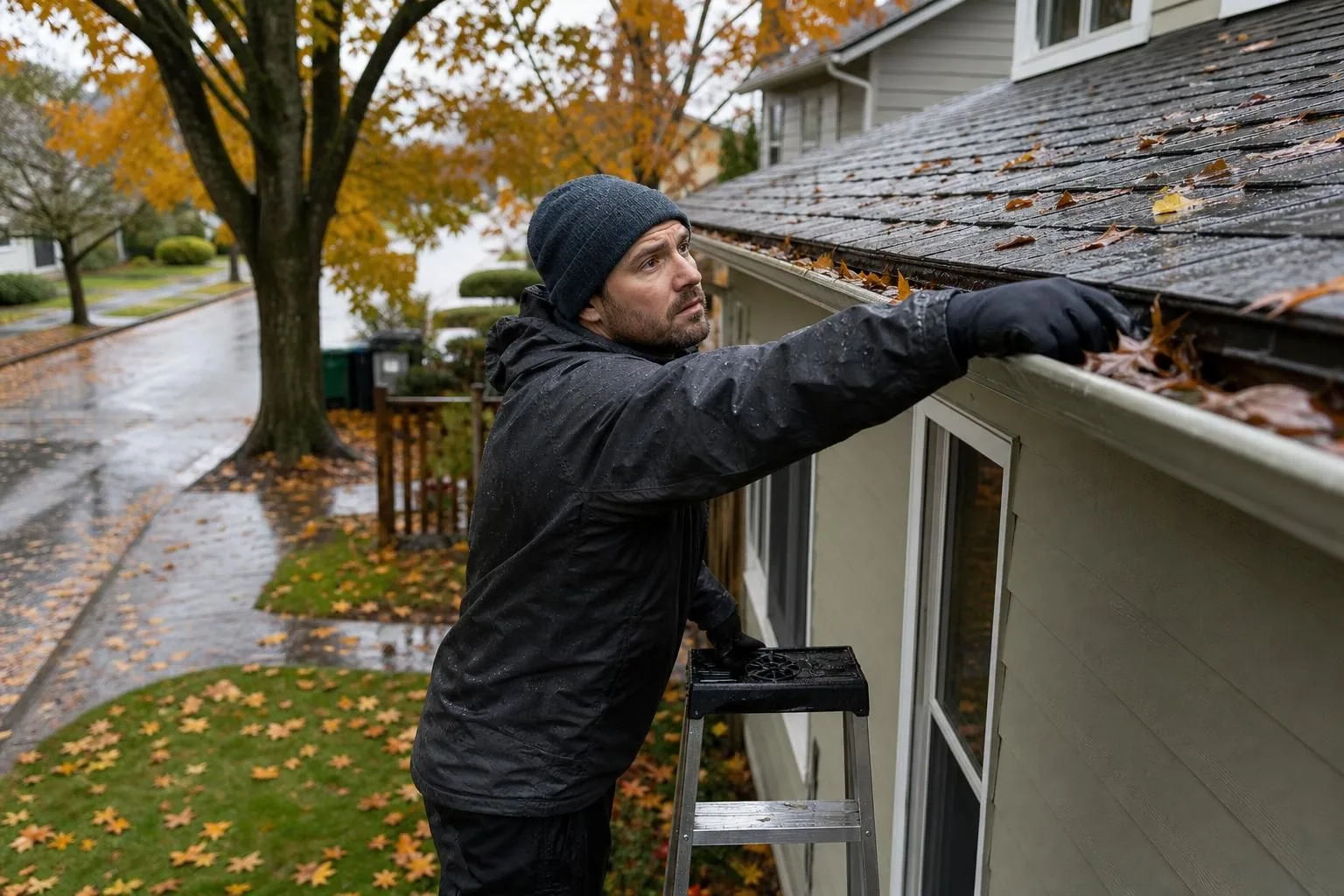
- Start outside. Check the roof edges, gutters, downspouts, drains, siding, window trim, door thresholds, and low spots near the foundation. You’re looking for water that can’t move away from the house.
- Move inside. Check basements, garages, crawl space entries, attics, utility rooms, and walls near windows. Touch only clean, dry-looking surfaces. Don’t cut drywall or pull up flooring.
- Use your nose. A musty smell means moisture may be trapped somewhere. Think of it like a damp towel left in a closed room.
- Look for symptom clusters. Staining plus softness, odor plus condensation, or peeling paint plus damp trim is more concerning than one small mark by itself.
- Check heating-season safety. Test smoke alarms, look around vents, and watch for soot marks, moisture stains, or blocked airflow before using heat regularly.
- Document problems early. Take photos, note dates, and call for help if water is active, materials stay damp, or mold is suspected. Start with storm-water intrusion cleanup, water damage restoration, or mold remediation depending on what you find.
Exterior Checks Before the Rainy Season
Start outside because Seattle and Burien rain usually shows you the problem path before it reaches drywall. You’re looking for places where water can’t move away from the house.
- Look for missing shingles, sagging gutters, loose flashing, or dark streaks under eaves from the ground. Do not climb onto a wet roof or ladder.
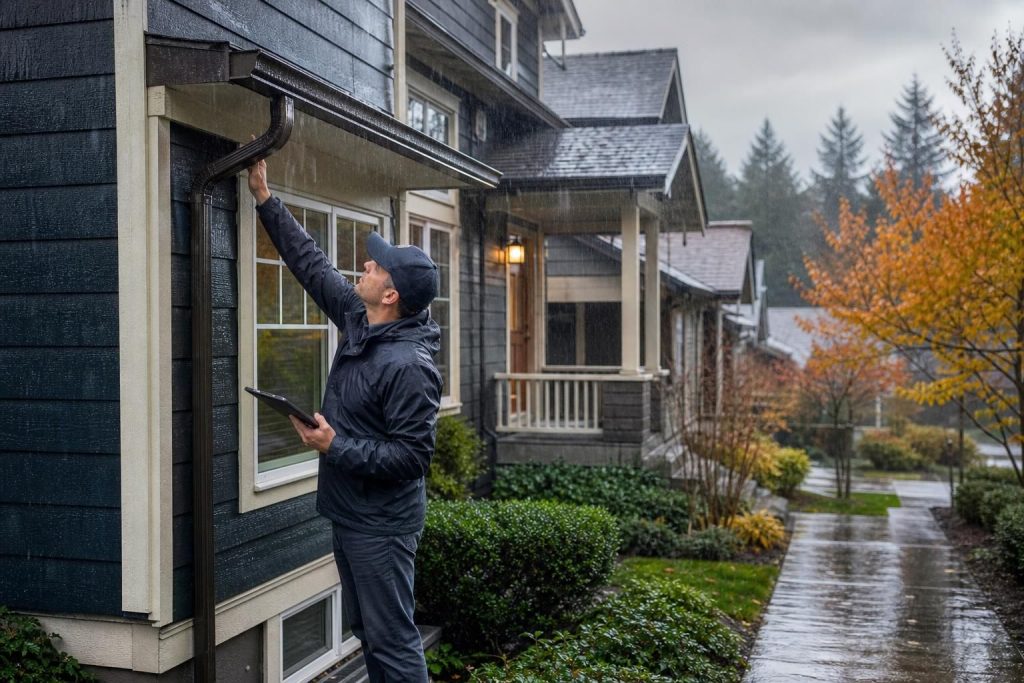
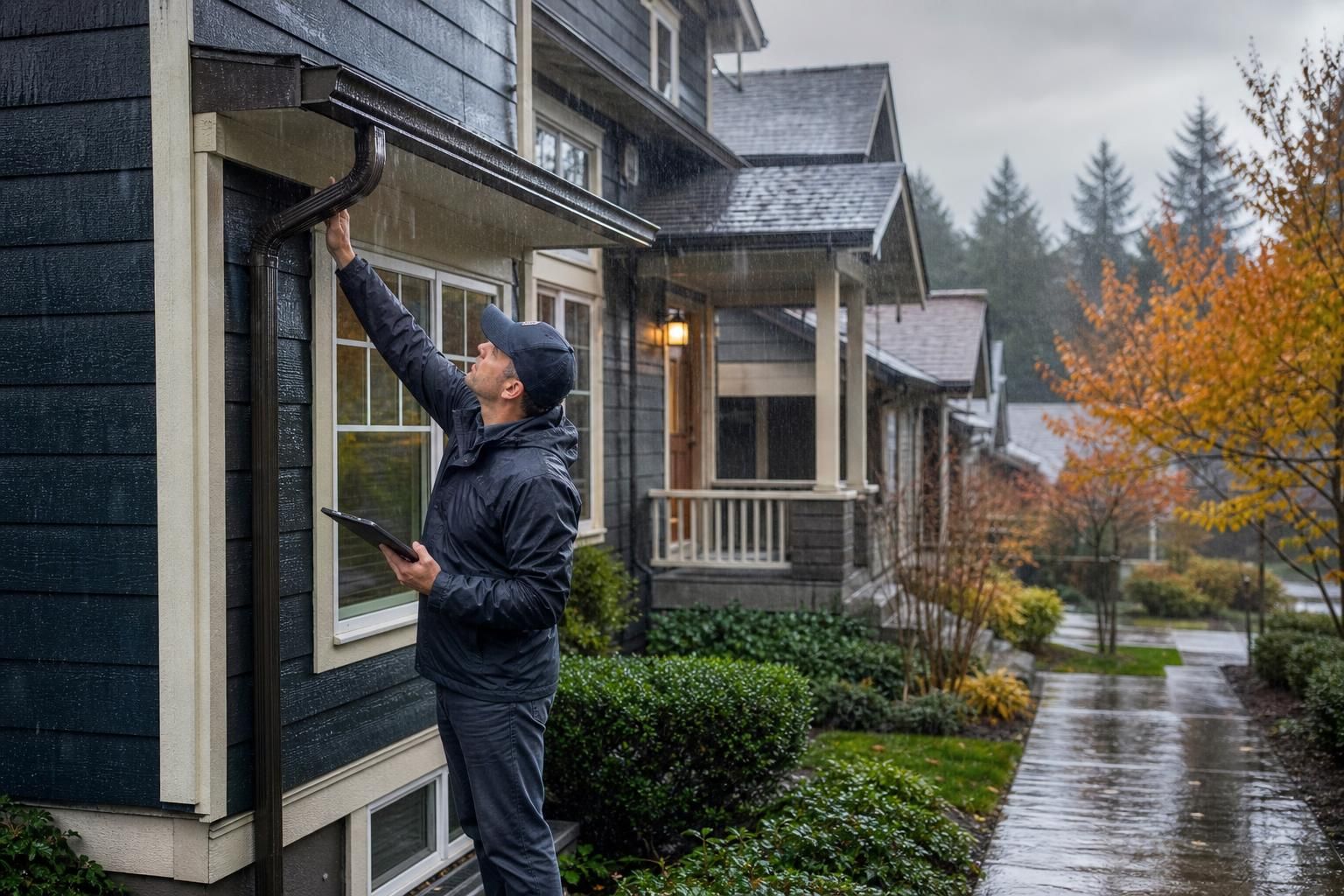
- Check gutters and downspouts. Clear leaves, fir needles, and roof grit. Then confirm each downspout sends water several feet away from the foundation, not beside a basement wall or crawl space vent.
- Watch the ground during rain. Pooling near a basement entry, garage slab, or foundation is a warning sign. Soil should slope away from the house, even slightly.
- Inspect drains, siding, windows, and doors. Look for clogged yard drains, cracked caulking, swollen trim, peeling paint, and gaps where water can push in.
| Area to check | What you might see | What to do before storms |
|---|---|---|
| Gutters | Overflow or plant growth | Clean and test with water |
| Downspouts | Water dumping at foundation | Add extensions or splash blocks |
| Grading/drains | Pooling near entries | Clear drains and redirect runoff |
| Windows/doors | Gaps, soft trim, failed caulk | Seal small gaps; document soft areas |
If water is already entering after heavy rain, treat it as storm-water intrusion, not normal dampness. Start with storm-water intrusion cleanup if you need help tracing the entry point.
Basements, Garages, Crawl Spaces, and Attics
Move inside after a long rain, especially if your Seattle, Burien, or South King County home has a basement, crawl space, tuck-under garage, or older attic ventilation.
- Start low. Check basement walls, floor edges, and the area near exterior stairs or basement entries. Look for damp baseboards, peeling paint, wet carpet edges, or a thin dirt line where water may have dried.
- Open the garage door and sniff first. A musty smell after fall rain can mean moisture is sitting behind stored boxes, along shared walls, or near the slab. Move cardboard and fabric items away from walls so you can see the floor.
- Shine a flashlight into the crawl space only from a dry, safe access point. Do not enter if there is standing water, exposed wiring, structural damage, or a strong odor. Look for wet soil, hanging insulation, water stains, or puddles from the opening.
- Check the attic on a dry day if it’s safe to access. Look for dark roof sheathing, damp insulation, staining around vents, or daylight around roof penetrations.
- Inspect utility areas, window wells, and exterior-wall corners. After several days of heavy Seattle rain, small leaks often show up as ceiling staining, soft drywall, or damp baseboards.
If materials are wet, soft, or spreading moisture into finished rooms, start documenting and consider water damage restoration before drying becomes guesswork.
Moisture, Mold, and Odor Warning Signs
Moisture problems usually show up as a pattern: staining, softness, odor, or condensation. Mold is a living fungus that grows on damp materials like drywall, wood, paper, insulation, and dust. Think of it like weeds after rain. If the surface stays damp, growth gets easier.
Check these warning signs after the first few heavy fall rains.
- Brown, yellow, or gray staining on ceilings, walls, trim, or subfloors.
- Drywall that feels soft, swollen, crumbly, or cool to the touch.
- Baseboards pulling away from the wall or paint bubbling near windows.
- A musty smell in a Burien crawl space, garage, basement, or closet after rain starts.
- Condensation on windows that keeps returning, especially near exterior walls.
- Dark spotting on wood, drywall, cardboard boxes, stored fabric, or insulation.
- Carpet that feels damp near a door, basement entry, or exterior wall.
- Odor that improves when you open windows but comes back when the house is closed.
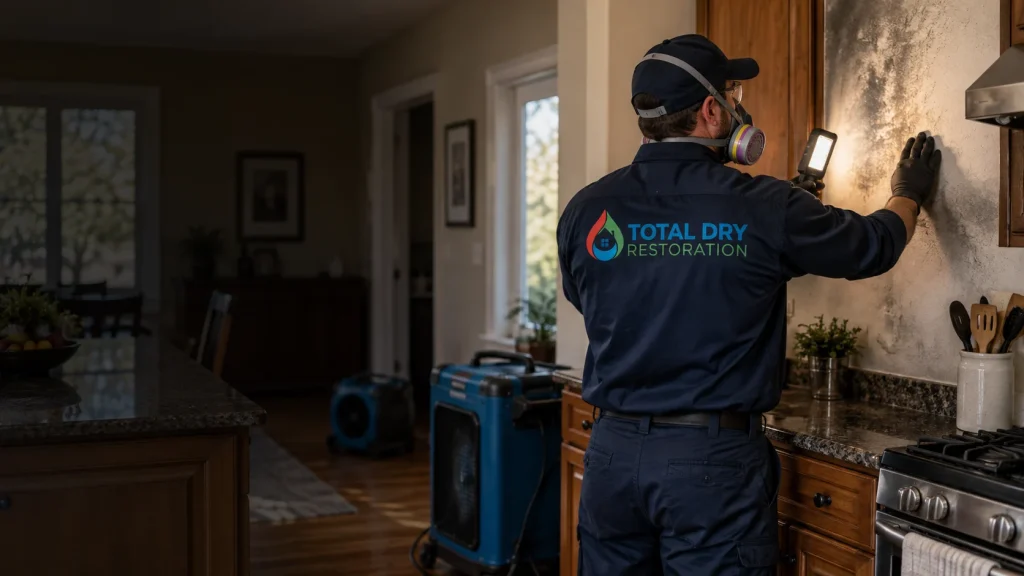
Don’t scrub suspected mold if the material is wet, soft, or larger than a small surface spot. First, find the moisture source. If the odor keeps returning or growth appears to be spreading, document it and consider mold remediation before disturbing hidden contamination.
Fire and Smoke Safety Checks Before Heating Season
Before you run the furnace, fireplace, or space heater for the first time, check the safety basics. Fall rain can add a second problem: damp ceilings, wet walls, or blocked vents near heating equipment.
- Test every smoke alarm. Press the test button. Replace weak batteries. If an alarm is older than the date printed on the back, replace the unit.
- Test carbon monoxide alarms too. Carbon monoxide is an invisible gas from fuel-burning appliances like furnaces, gas fireplaces, and water heaters.
- Look around the furnace, water heater, fireplace, and electrical panel. Move boxes, fabric, paper, and stored holiday items away from heat sources.
- Check vents and exterior exhaust openings. Remove leaves, nests, or debris. In Seattle and Burien, wind-driven rain can push wet leaves into low vents fast.
- Look for soot streaks, scorch marks, a smoky smell, or smoke backing into the room. Stop using that appliance until a qualified heating or chimney professional checks it.
- Check nearby ceilings, walls, and trim for stains or soft spots. A leak near a chimney, roof vent, or utility chase can become both a water problem and a safety concern. If materials are wet, document it and consider water damage restoration before the damage spreads.
When to Document Damage or Call a Restoration Company
Document damage as soon as you see a pattern, not after you’ve “watched it for a while.” Water moves behind paint, trim, insulation, and flooring, so early notes can help you explain what changed after a specific Seattle rain stretch.
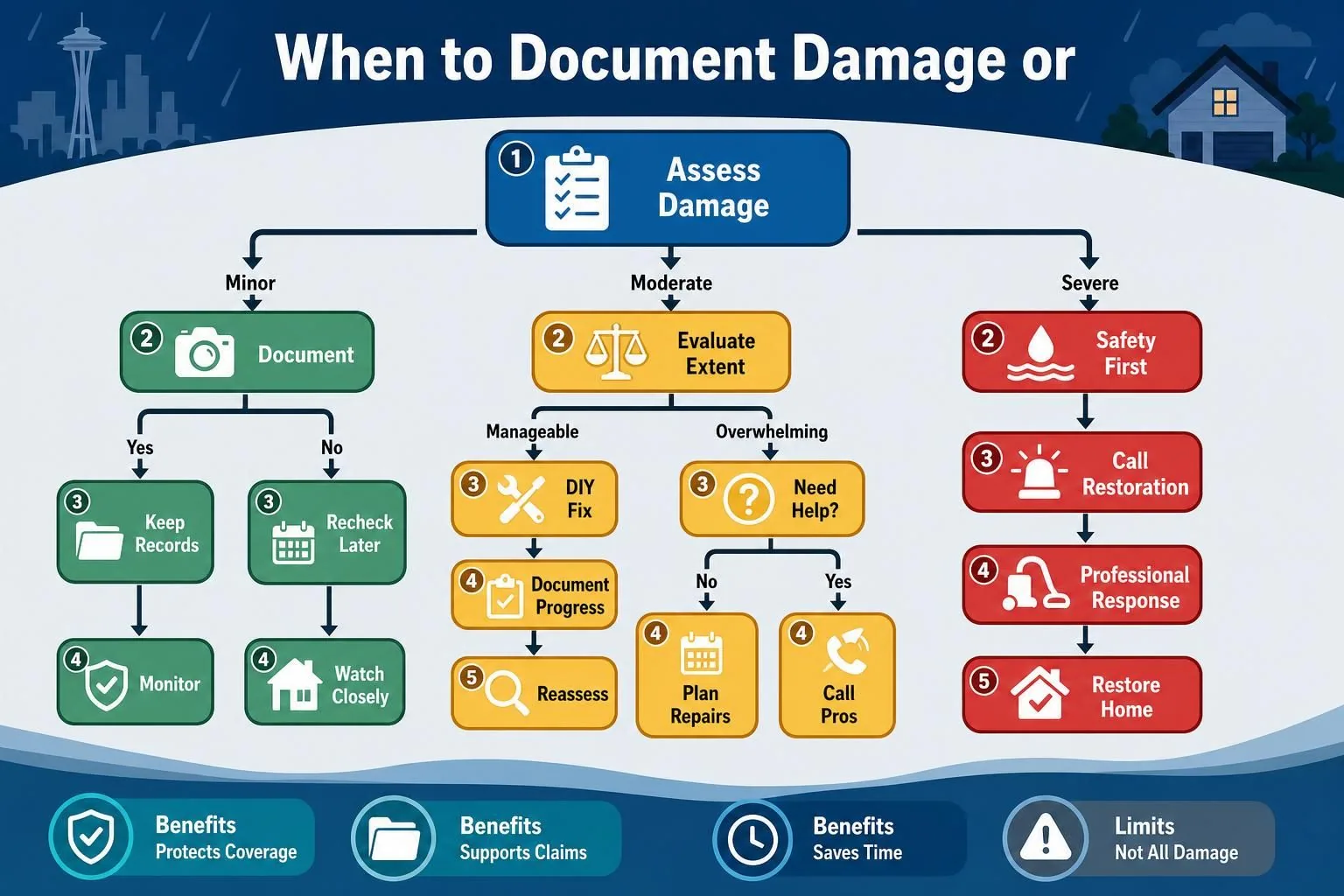
- Take wide photos first. Show the whole room, exterior wall, basement entry, crawl space hatch, or garage corner.
- Take close-up photos next. Capture stains, swollen baseboards, bubbling paint, wet carpet, ceiling rings, rusty fasteners, or water lines.
- Add a short note. Write the date, recent weather, where you found it, and what it smelled or felt like. Example: “After three days of heavy rain, damp baseboard on north basement wall.”
- Save related clues. Photograph clogged gutters, overflow near the foundation, pooling by a basement door, or soil sloping toward the house.
Call for help if there’s standing water, wet drywall, sagging ceiling material, repeated seepage, or a musty smell that returns after cleaning. A Burien homeowner who notices crawl space odor after fall rain shouldn’t ignore it; that can point to hidden moisture and possible mold remediation needs.
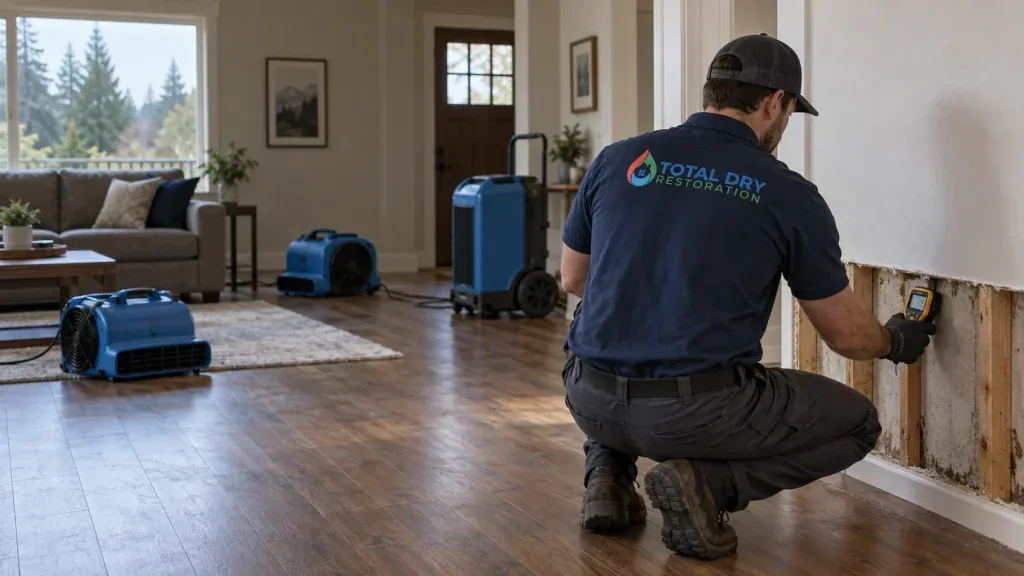
For rainwater entering living areas, garages, or below-grade spaces, look at storm-water intrusion cleanup. If materials are already wet, soft, or spreading stains, water damage restoration is the safer next step. Don’t cut into walls or pull up flooring unless a qualified pro tells you it’s safe.
FAQs
How Often Should I Use This Checklist in Fall?
Check once before the rainy season gets steady, then again after the first multi-day storm. In Seattle, Burien, and South King County, that second check matters because slow leaks often don’t show up during one short shower.
What Should I Inspect First After Heavy Rain?
Start where water would naturally travel. Look at gutters, downspouts, basement entries, garage slabs, window trim, and exterior walls. Then go inside and check the matching interior areas for damp baseboards, ceiling stains, musty odor, or soft drywall.
Is a Musty Smell Always Mold?
Not always, but it’s a warning sign. A musty smell usually means moisture is sitting somewhere it shouldn’t. Think of it like wet laundry left in a basket. If the odor comes back after cleaning or gets stronger after rain, look for hidden dampness.
Can I Dry Small Wet Spots Myself?
Wipe up a small amount of clean surface water only if the area is safe to reach. Do not use electrical equipment in standing water or touch wet equipment. Keep clear and contact the utility or a qualified electrician if water reached wiring or appliances; see electrical flood-safety guidance. Wet drywall or sagging ceilings need assessment.
Should I Check Smoke Alarms During a Rain-damage Inspection?
Yes. Fall is a smart time to check both. Before heating season, test smoke alarms, clear vents, and look for soot marks, scorch signs, or moisture around chimneys, fireplaces, furnaces, and nearby ceilings.
Use this Seattle fall rain home damage checklist as a simple rule: if you find staining, softness, odor, condensation, or water near electrical areas, don’t wait for the next storm to prove the problem is real. Small issues you can safely handle include clearing gutters, moving stored items away from damp walls, and improving airflow in dry, intact spaces.
Document anything wet, musty, sagging, or spreading with photos and dates, especially after several days of Seattle or Burien rain. For active intrusion, start with storm-water intrusion cleanup or water damage restoration. If the concern is persistent musty odor or visible growth, review mold remediation and schedule a professional inspection before hidden moisture turns into a bigger repair.