Fire and Smoke Damage Restoration
Fire & Smoke Damage Restoration
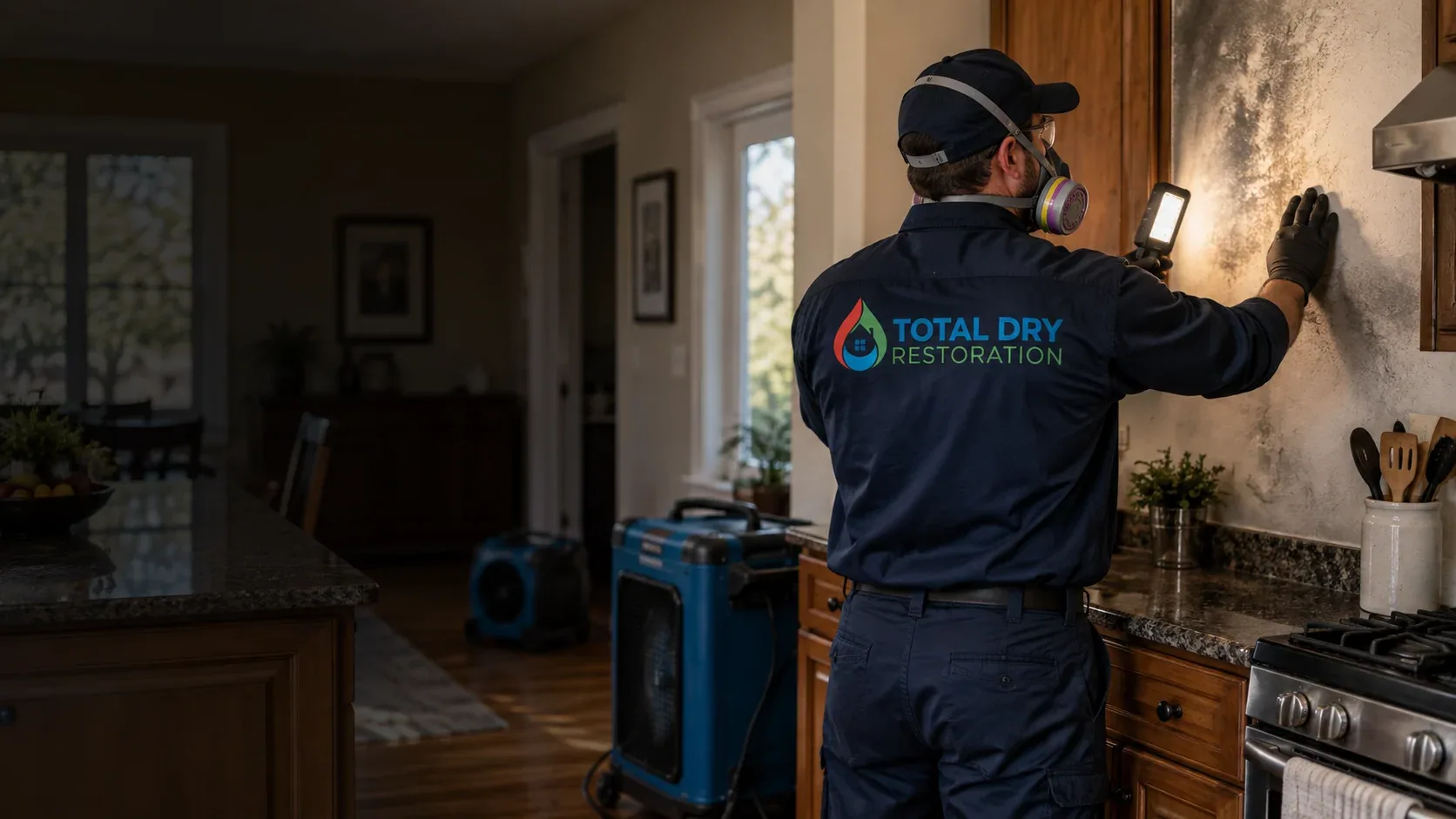
Fire damage can leave behind more than what you see. Smoke residue, soot, and lingering odors can spread through walls, HVAC systems, and soft materials, even when the flames were contained. Total Dry Restoration provides fire damage restoration and fire and smoke damage cleanup to stabilize the property, remove debris, handle soot removal, and complete smoke damage cleanup with clear communication and careful workmanship. If you need odor removal after fire, we use proven methods to help restore a clean, safe indoor environment.
Why Choose Our Service
Tailored Restoration for Your Property
Every fire is different. We customize the fire damage cleanup plan based on burn patterns, smoke spread, materials affected, and safety needs, so the work matches what the property actually requires.
Zero-Hassle Process
We manage the full fire and smoke damage cleanup process, including debris removal, cleaning, deodorization, and documentation as needed. You have one point of contact and a clear plan from start to finish.
Fast Response, Reduced Damage
Soot and smoke residue can keep spreading and staining if it is left untreated. Our team responds quickly to secure the space, start cleanup, and reduce secondary damage like corrosion, odor absorption, and further material deterioration.
Safe & Future-Ready
We use appropriate safety practices, specialized cleaning methods, and targeted deodorization to restore indoor comfort. The goal is not only a cleaner space, but a safer one that is ready for repairs and normal use again.
What We Offer
Our fire and smoke damage cleanup covers the full recovery process, from assessment and debris removal to soot removal, deodorization, and repairs. We focus on doing the fundamentals well: stabilize the space, remove residue safely, and leave you with clear next steps. If you need fire damage restoration that feels organized and straightforward, this is the part where the plan turns into real progress.
Emergency Fire Damage Assessment
We inspect affected areas, identify structural and safety concerns, and evaluate how far smoke and soot traveled. This helps set a clear plan for fire damage restoration, including which areas need immediate attention.
Debris Removal & Cleanup
We remove damaged materials, ash, and loose debris to stabilize the space and improve access. A thorough fire damage cleanup at this stage helps prevent further contamination and supports a safer work environment.
Advanced Smoke & Soot Cleaning
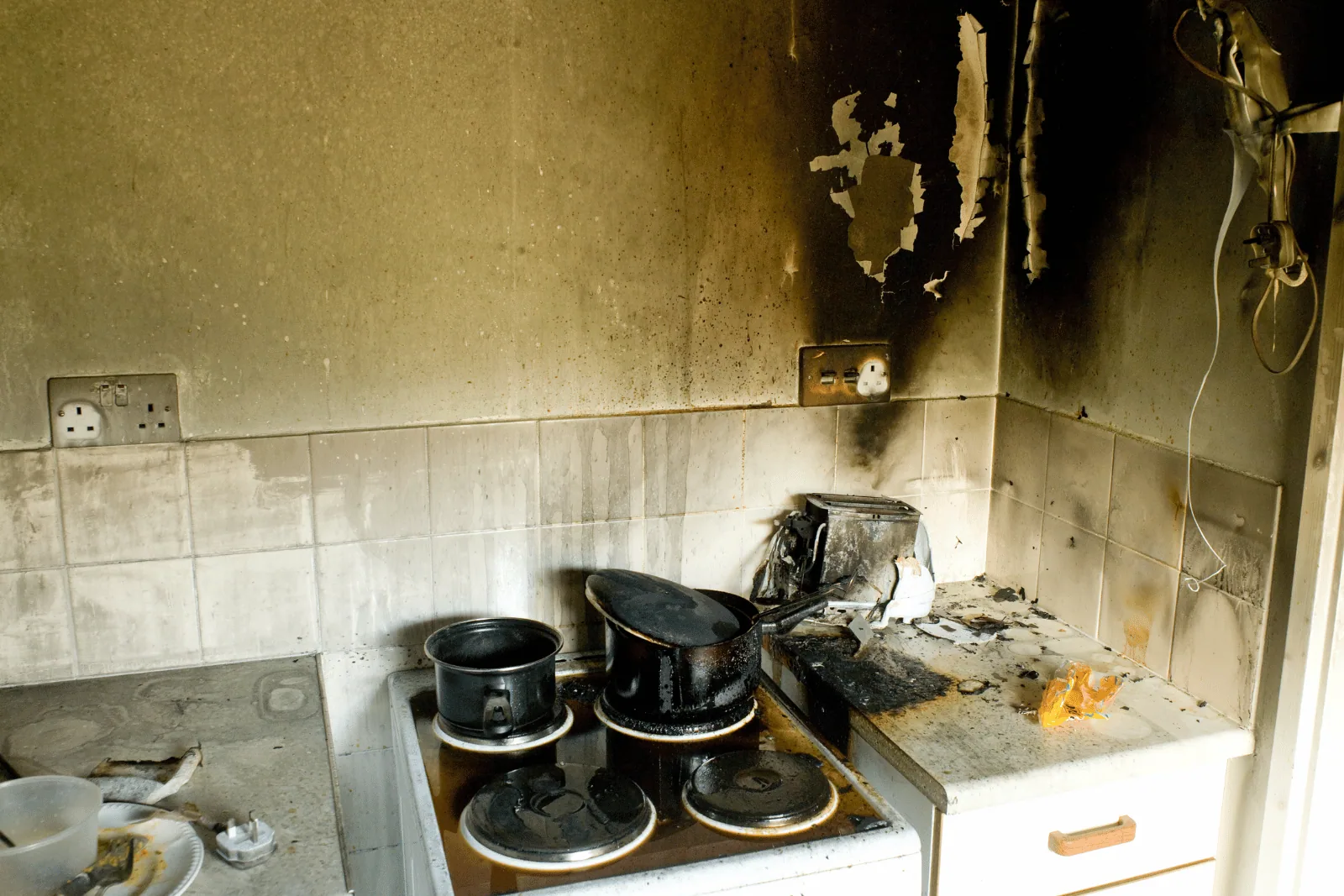
Soot can cling to walls, ceilings, contents, and hard-to-reach areas. We perform detailed smoke damage cleanup and soot removal using the right methods for each surface to reduce staining and corrosion.
Odor Neutralization & Air Quality Treatment
Smoke odors can linger long after visible cleanup. We use proven deodorization techniques designed for odor removal after fire, helping restore cleaner, more breathable air throughout the property.
Surface Sanitization & Deep Cleaning
After residue is addressed, we deep clean and sanitize affected areas to remove remaining contaminants. This step supports a cleaner, safer indoor environment and helps the space feel livable again.
Repairs & Structural Restoration
If fire damage affected drywall, framing, flooring, or finishes, we can complete repairs to restore function and appearance. The goal is to return the property to a stable, usable condition with consistent workmanship.
Insurance Guidance & Documentation
We help document the damage and the work performed, which can support the claims process. You get organized information, clear notes, and a team that can communicate what was found during fire and smoke damage cleanup.
Ongoing Support & Prevention Planning
After the main cleanup and restoration, we can provide follow-up recommendations to reduce future fire and smoke-related risks. This may include practical prevention steps and checks that help protect the property long term.
Fire and smoke damage cleanup in Burien, WA: what matters after the fire is out
Even a small fire can leave smoke residue, soot, and odors that spread beyond the room where it started. Our fire and smoke damage cleanup focuses on stabilizing the property, removing contamination safely, and setting the space up for repairs and a comfortable return.
For a business property, cleanup is one part of the return-to-work plan. Our fire and smoke recovery checklist for small businesses helps organize assessment, records, contractor questions, and reopening decisions with the appropriate authorities.
Soot removal and smoke residue cleanup, done the right way
Soot is fine and can settle on walls, ceilings, contents, and inside vents. We use surface-appropriate methods for soot removal and smoke damage cleanup to reduce staining, corrosion, and ongoing residue transfer throughout the home or business.
Odor removal after fire that treats the source
Smoke odor often lives in porous materials and can reappear when humidity rises or the HVAC runs. Our odor removal after fire uses targeted deodorization and air quality treatments to reduce lingering smells and help restore clean, breathable indoor air.

Need Fast, Certified Help? Let’s Restore Your Home Today.
Fire and smoke damage can spread fast through a home or business, even after the flames are out. Our team provides fire and smoke damage cleanup, including soot removal, smoke damage cleanup, and odor removal after fire, with a clear plan and careful workmanship. Request a free on-site assessment and we will follow up quickly to review the damage and recommend next steps.
Request Your Free On-Site Assessment
Everything You Need to Know
Common questions about fire damage restoration, smoke cleanup, and next steps.
How soon should cleanup and restoration start after a fire?
As soon as the property is safe to enter and the fire department has cleared it. Smoke residue and soot become harder to remove over time and can cause permanent staining and corrosion on surfaces and electronics. Water from firefighting can also lead to mold growth within 24–48 hours. Early action usually reduces both damage and downtime.
What does a typical fire and smoke damage restoration process include?
It usually starts with an on-site assessment, safety checks, and securing the structure if needed. Debris is removed, soot and smoke residue are cleaned from affected surfaces, and odor is treated using specialized equipment. Water extraction and drying may be included if there was sprinkler or hose damage. Repairs can range from minor finishes to full structural reconstruction depending on severity.
How do you remove smoke odor so it doesn’t come back?
Odor control works best when combined with thorough soot removal, because the smell source is often embedded in porous materials. Technicians may use thermal fogging, ozone or hydroxyl treatment, and targeted cleaning of HVAC components to address hidden contamination. If materials like insulation, drywall, or carpet padding are heavily affected, removal and replacement may be the only permanent fix. Proper sealing and repainting are done after cleaning to prevent bleed-through.
When should items be cleaned and restored versus replaced after smoke damage?
Non-porous items like metal, glass, and many hard plastics often clean up well if treated promptly. Porous materials such as mattresses, upholstered furniture, and some papers may hold odors and soot deep inside, making results unpredictable. Electronics can sometimes be restored, but corrosion and residue inside components can shorten lifespan if not properly cleaned. The decision depends on contamination level, safety, replacement cost, and how critical the item is.
How much does fire and smoke damage cleanup usually cost?
Costs vary widely, but many projects fall somewhere between a few thousand dollars for localized smoke cleanup and tens of thousands for extensive structural restoration. The biggest drivers are the size of the affected area, the type of soot (protein, synthetic, or oily), how long residue sat, and whether there’s water damage. Contents cleaning, HVAC cleaning, and reconstruction can also change the total significantly. A detailed inspection is the only reliable way to estimate accurately.