
Odor removal after hoarding cleanup often takes more than taking out clutter, trash, and visible debris. That’s because smells can settle into porous materials, hide behind moisture problems, or move through air pathways like vents and wall gaps. Think of odor like smoke from a campfire. Even after the fire is out, your jacket can still smell because the particles are trapped in the fabric.
In this guide, you’ll learn why a musty smell after cleanout can linger, how to match the odor source to the right treatment, and when deep cleaning odor removal isn’t enough. We’ll keep it practical, calm, and cause-focused so you can decide your next step with confidence.
Best for: Homes where clutter is gone but odor still points to moisture, soft materials, surfaces, or air movement. Not ideal when: You expect one spray, candle, or air freshener to solve odor trapped inside materials. Good first step if: You can safely inspect rooms, note odor locations, and separate musty, pet, trash, or damp smells. Call a pro if: Odor returns quickly, spreads through vents, or appears with mold, moisture damage, or damaged materials.
Quick Summary
- Odors can remain after clutter removal because smell particles absorb into porous surfaces and soft items.
- Moisture and mold often create a musty smell that comes back after basic cleaning.
- Deep cleaning removes residue, deodorization treats lingering odor, and material removal gets rid of contaminated sources.
- Carpets, curtains, upholstery, drywall, subfloors, and HVAC systems may need special attention.
- Preventing odor return depends on drying, ventilation, source removal, and follow-up checks.
Quick Answer
Odor after hoarding cleanup usually remains because the source was not fully removed or treated. Clutter may be gone, but odor can stay in carpet, padding, upholstery, walls, floors, dust, vents, or damp materials.
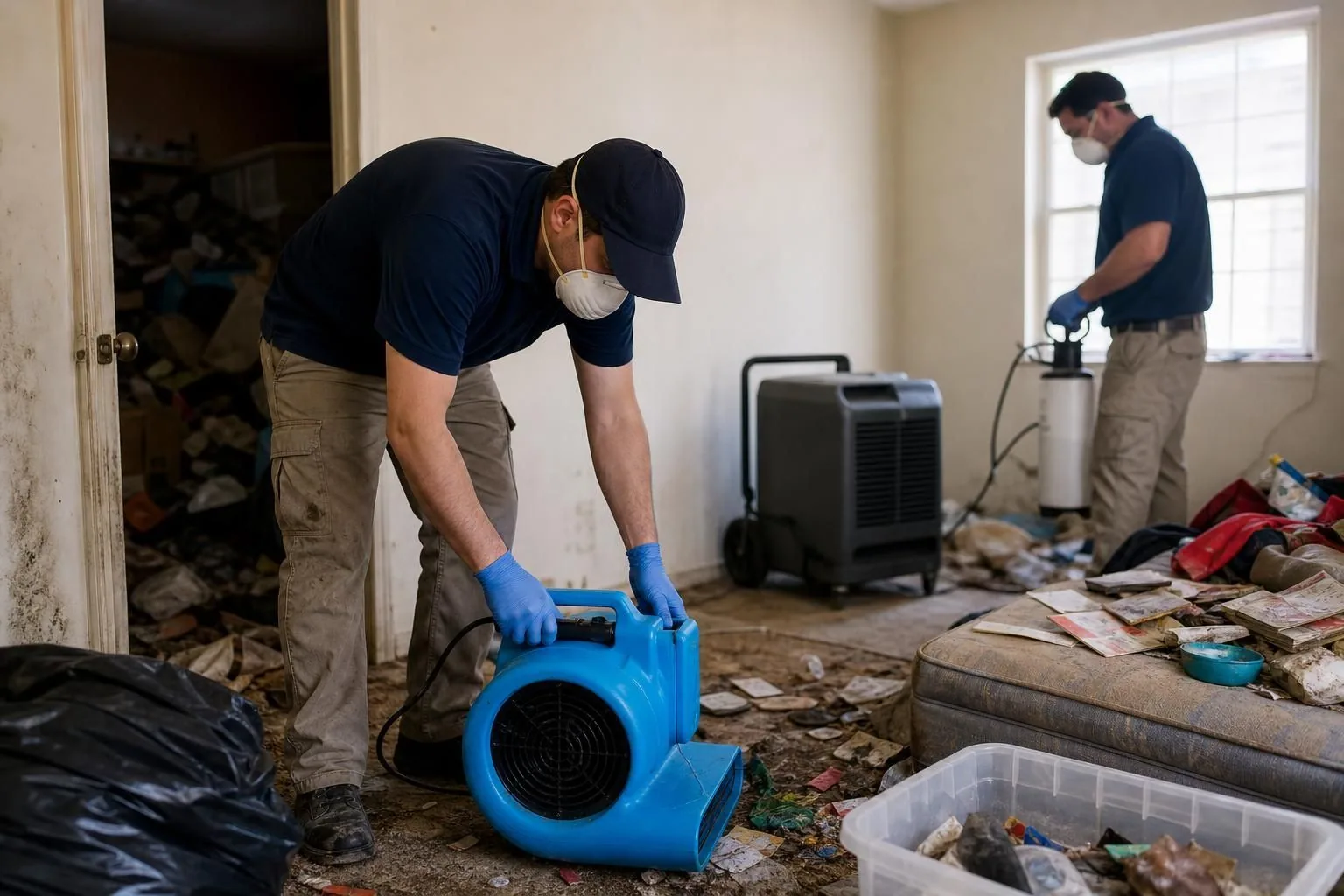
Use this sequence:
- Open windows if outdoor air is safe and dry.
- Remove remaining trash, cardboard, and affected soft goods.
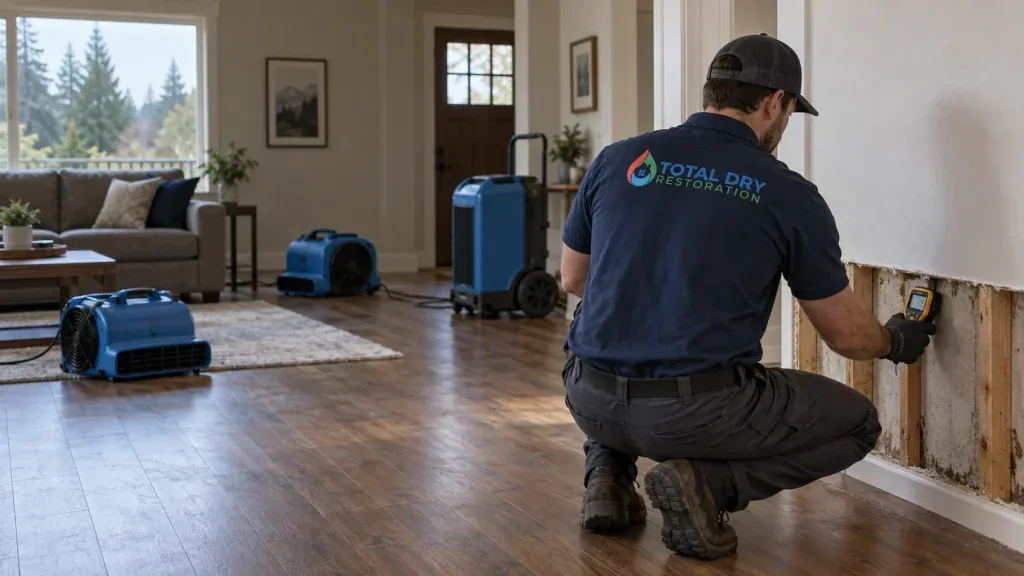
- Check for moisture around walls, floors, plumbing, and appliances.
- Clean hard surfaces.
- Wash or remove odor-holding fabrics.
- Deodorize only after cleaning.
- Recheck after a few days.
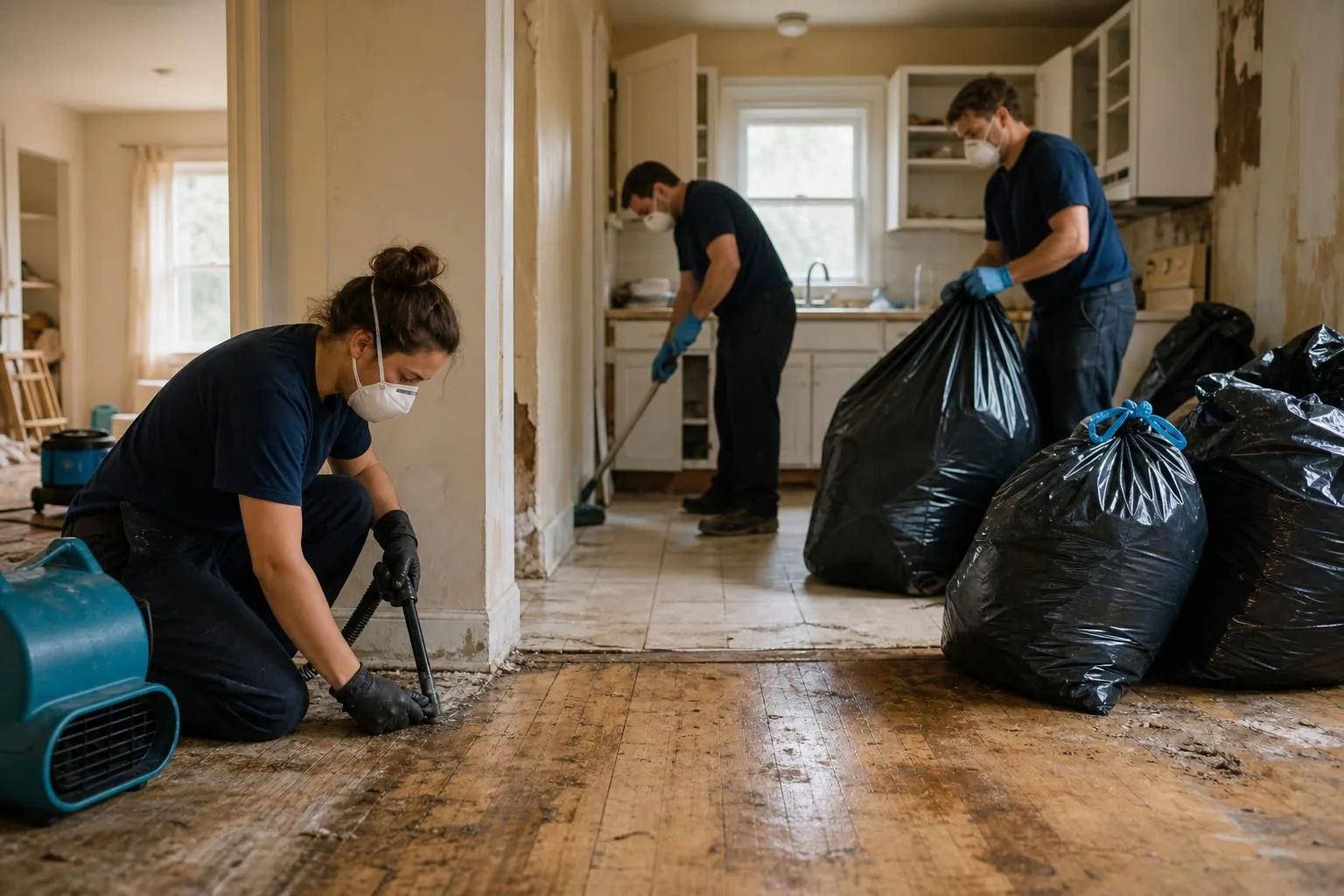
A professional hoarding cleanup process starts with removal and sorting, then moves into cleaning, odor control, and restoration decisions.
If odor improves but returns, a hidden source is likely.
Why Odors Remain After Clutter is Removed
Odors remain after clutter is removed because smells soak into surfaces and stay after visible material is gone. Paper, cardboard, fabric, dust, wood, drywall, and carpet padding can trap odor. A room can look empty and still smell.
A common example is musty odor after cleanout. Boxes and trash are removed, yet the room still smells damp. That usually means the odor moved into materials or is tied to moisture.
Air movement matters too. Odor can travel under doors, through wall cavities, and into vents. Treatment has to follow that path.
Do not cover the smell before finding the cause. Air fresheners and scented sprays make diagnosis harder and do not remove residue, dampness, or contaminated material.
Instead, walk the space slowly. Notice where odor is strongest, then check low areas, closets, corners, fabric items, and rooms with poor airflow.
Moisture, Mold, Trash, Pets, and Soft Materials
Common odor sources after hoarding cleanup are moisture, mold, trash residue, pet contamination, and soft materials. Each needs a different response.
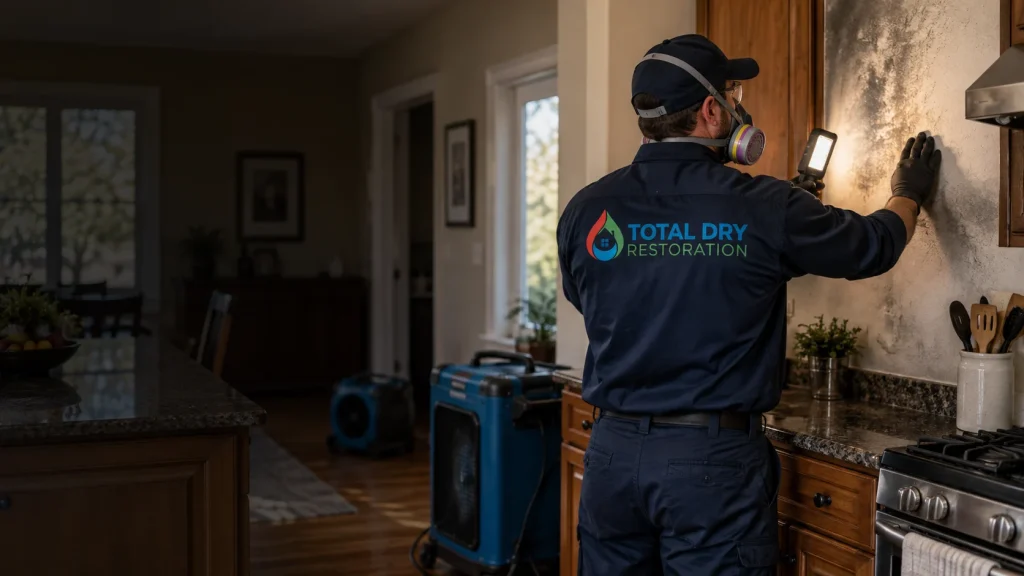
Moisture causes musty odor because damp materials support growth and breakdown. If you smell mustiness near a wall, floor, or window, check for dampness and stains, not just surface dirt. A recurring water damage smell often means drying and source repair must happen before deodorizing.
Trash odor often comes from leftover residue. Even after bags are gone, liquid, dust, food particles, and film can remain on floors, shelves, and baseboards.
Pet odor can settle into carpet, padding, subfloor, trim, and lower walls. If smell stays strongest in corners or along baseboards, hidden material may be affected.
Soft materials also hold odor:
- Carpets and carpet padding
- Upholstered chairs and sofas
- Mattresses
- Curtains and fabric blinds
- Clothing, bedding, and towels
- Cardboard boxes and paper stacks
Some items can be cleaned. Others need removal if odor keeps returning.
Cleaning vs Deodorization vs Material Removal
Cleaning, deodorization, and material removal are different steps, and using the wrong one first can leave the odor behind. Cleaning removes dirt, residue, dust, and contamination from surfaces. Deodorization treats remaining odor after the source has been cleaned or removed. Material removal gets rid of items or building materials that can’t be restored well enough to stop the smell.
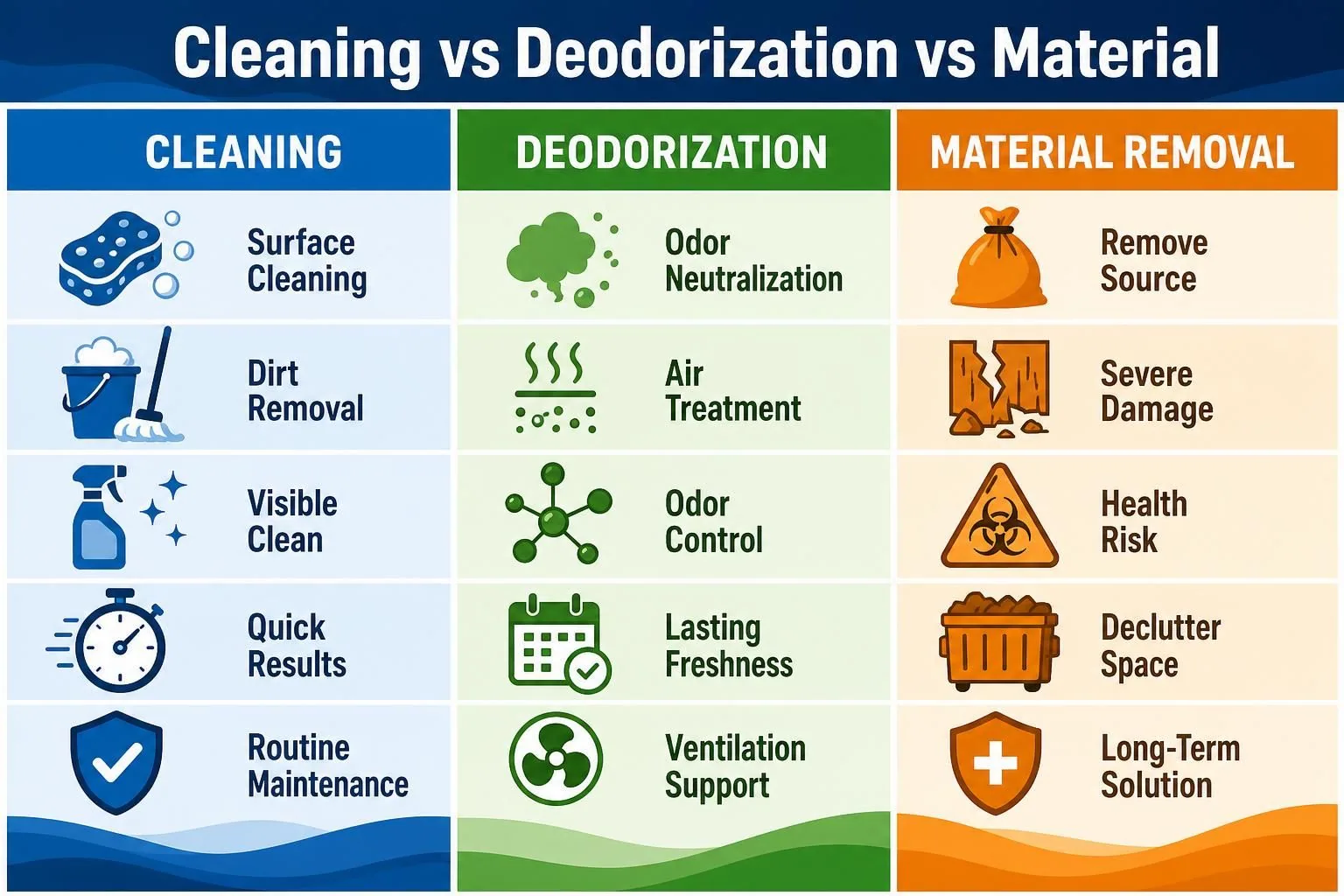
Here’s the simple version: clean the source, then treat the air and remaining surfaces. Don’t deodorize first. If odor is coming from damp carpet pad, spraying the room won’t solve it. If the problem is trash residue on a floor, removing the carpet won’t fix the sticky film on nearby baseboards.
| Treatment type | What it does | Best used for | What it can’t fix |
|---|---|---|---|
| Deep cleaning | Removes residue from surfaces | Hard floors, shelves, counters, trim | Odor inside damaged materials |
| Deodorization | Neutralizes lingering smells | Air, cleaned rooms, salvageable items | Active moisture or hidden contamination |
| Material removal | Removes odor-holding sources | Carpet pad, damaged drywall, ruined soft items | Odor in areas not inspected |
- Remove obvious odor sources.
- Dry damp areas.
- Clean hard surfaces from top to bottom.
- Treat washable fabrics.
- Decide what soft materials can stay.
- Deodorize cleaned spaces.
- Recheck after normal airflow and HVAC use.
Deodorization may involve air scrubbers, odor-neutralizing products, sealing of certain surfaces, or other professional methods. An air scrubber is a machine that pulls air through filters to reduce airborne particles. Sealing means applying a coating to lock in odor on a material that’s otherwise stable. It’s not a shortcut. The surface still has to be cleaned and dry first.
For mold-related odor, source control matters even more. If dampness and growth are present, mold remediation focuses on removing affected materials safely and correcting the moisture conditions that allowed growth.
When Walls, Floors, or HVAC Need Attention
Walls, floors, and HVAC need attention when odor returns after cleaning, feels strongest near building materials, or spreads when air moves.
Start with walls and floors if smell is strongest near room edges. Baseboards, drywall, carpet tack strips, floor gaps, and subfloors can hold odor, especially after liquid soaked below the surface.
Warning signs include:
- Odor returns within days after cleaning
- A room smells worse after humidity rises
- Carpet smells damp underneath
- Baseboards are stained, swollen, or soft
- Odor is strongest near vents or starts when HVAC runs
- One closed room smells much worse than nearby spaces
If odor spreads through vents, the system may be moving smell from one affected area. Replace filters and inspect accessible components.
Avoid running fans across contaminated or moldy materials. Fans can help dry clean dampness, but they can also spread particles before the source is controlled.
How to Prevent Odors From Returning
Prevent odors by removing the source, keeping materials dry, improving airflow, and rechecking affected areas after normal use resumes. Odor prevention is not one final spray. It is a short follow-up routine.
- Control humidity with ventilation, dehumidification, or repairs.
- Replace HVAC filters after major cleaning.
- Keep cleaned rooms open for air circulation.
- Remove damp cardboard, paper, and fabric fast.
- Recheck closets, corners, and low-airflow rooms.
- Watch for odor after rain, plumbing use, or HVAC cycles.
Example: a bedroom smells musty after debris removal. You clean surfaces and wash curtains. The smell fades, then returns when the door stays closed. That suggests trapped moisture, soft material, or poor ventilation. Inspect flooring edges, walls, closet corners, and remaining fabric.
Finish with a normal-use test. Close the home overnight, run heating or cooling if safe, then walk through the next day. If odor returns, the remaining source needs deeper inspection.
FAQs
Odor questions after hoarding cleanup usually come down to one issue: is the smell sitting on surfaces, trapped inside materials, or coming from an active problem? Once you know that, the next step becomes much easier.
These answers cover the beginner questions people often ask when a home looks cleaner but still doesn’t smell right. They’re meant to help you sort the problem calmly and avoid wasting effort on the wrong fix.
Why Does My Home Still Smell After Hoarding Cleanup?
Your home may still smell because odor is trapped in porous materials like carpet, drywall, wood, fabric, or dust, even after clutter removal and surface cleaning.
Will Deep Cleaning Remove All Hoarding Odors?
Deep cleaning removes many surface odors, but not all smells inside padding, upholstery, subfloors, or damp walls. If odor returns, deodorization or material removal may be needed.
What Helps First With a Musty Smell After Cleanout?
First, check for moisture. Musty odor often comes from damp materials, poor ventilation, or mold. Dry the area, remove damp items, and inspect walls, floors, closets, and windows.
When Should Carpet or Padding Be Removed?
Remove carpet or padding when odor stays strongest there, cleaning fails, or liquid contamination reached the pad or subfloor. If smell returns after drying, inspect below the carpet.
Can HVAC Spread Odor After Cleanup?
Yes, HVAC can spread odor if contaminated dust or smells enter the system. If rooms smell worse when heating or cooling runs, replace filters and inspect accessible components. The main source still needs treatment, or odor may return. Walk the property room by room, note where smell is strongest, and compare that area with likely sources before deciding on cleaning or restoration support.