Category: Blog
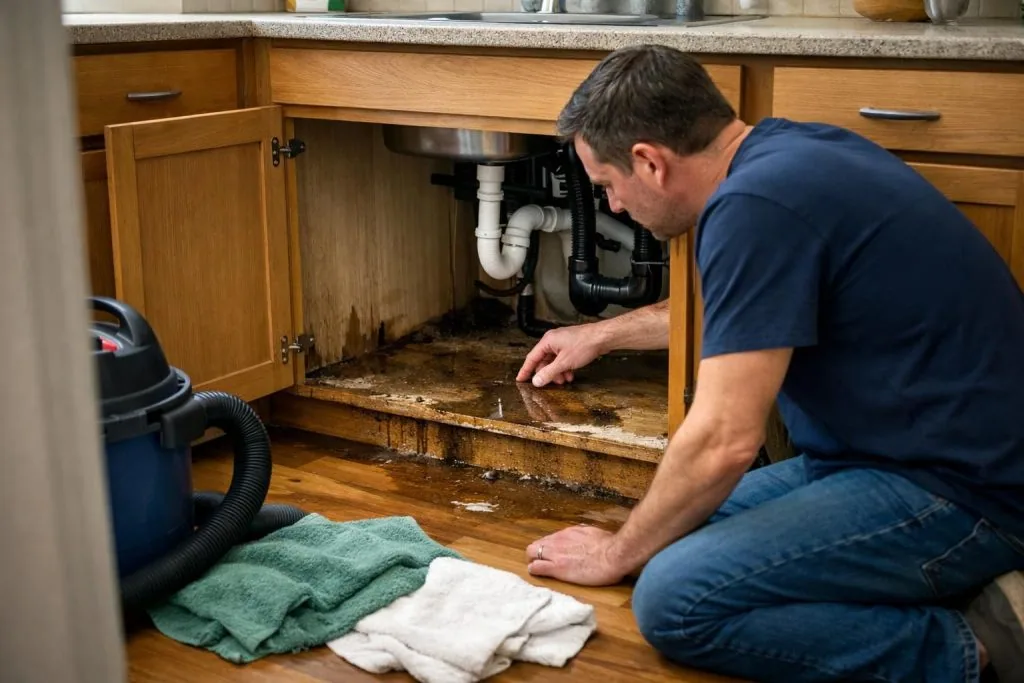
Water damage to kitchen cabinets gets ugly fast because cabinets are basically a stack of moisture-sensitive materials wrapped around a few hidden cavities. If you act early, you can often limit swelling, odors, and damage to the subfloor and walls. If you act late, the cabinet box may distort, fasteners loosen, and the toe kick […]
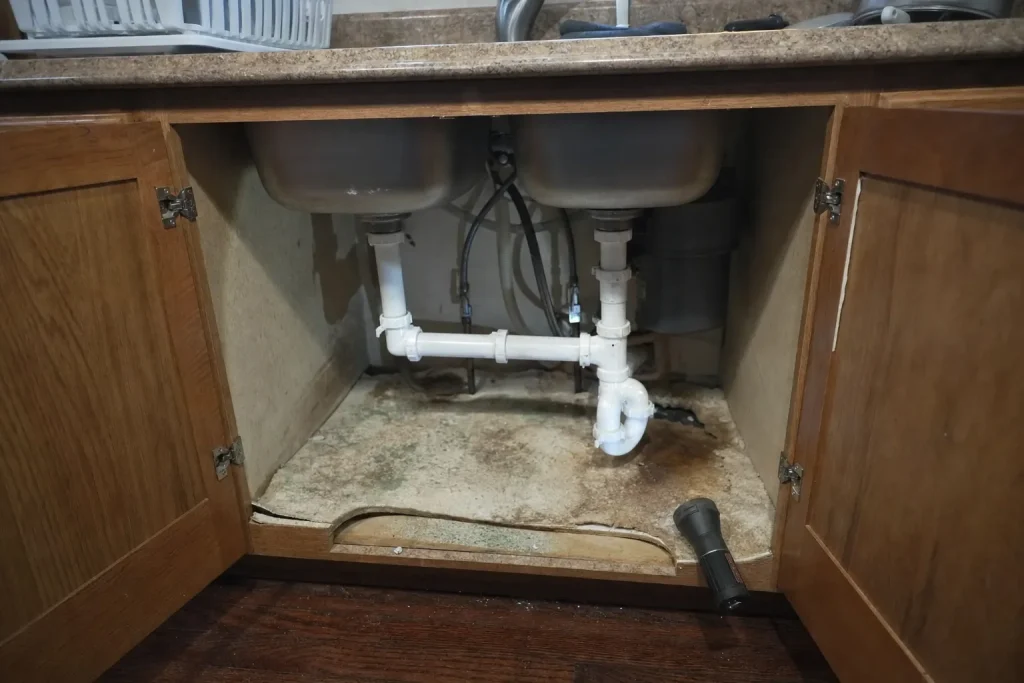
A musty smell in the house usually means something is staying damp somewhere you cannot see. It is the smell of moisture sitting in materials long enough for mold, mildew, or bacteria to grow. Air fresheners and candles cover it for an hour. Finding and drying the damp source is what makes it go away. […]
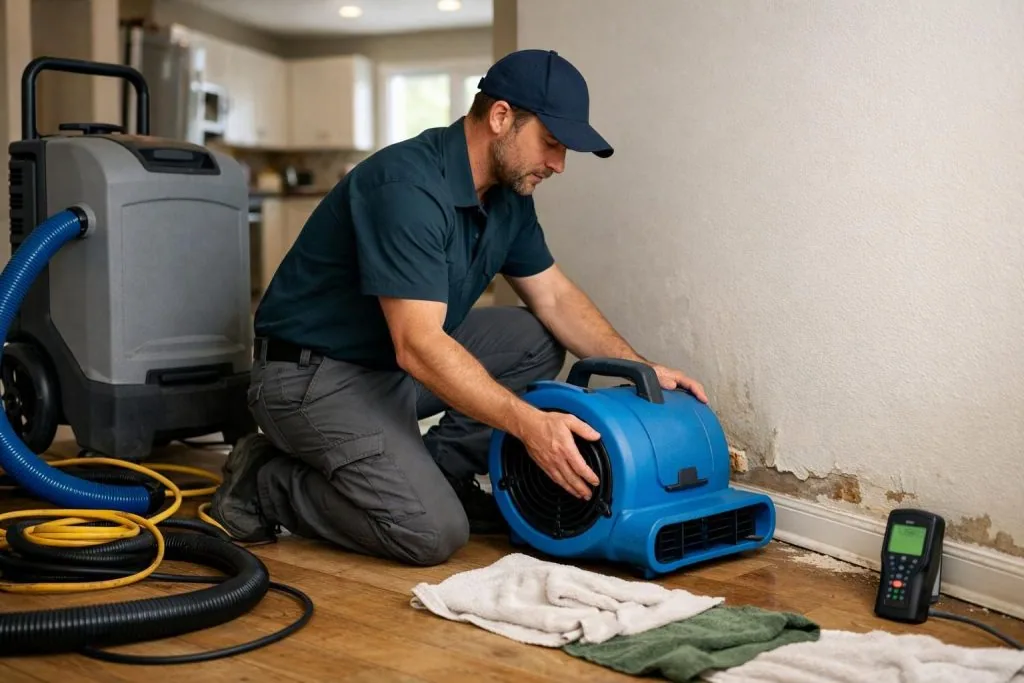
Water damage never stays “just a little wet” for long. The longer moisture sits in flooring, drywall, and framing, the more it spreads, the harder it is to dry, and the more likely you’ll end up with odors, warping, or microbial growth. That’s why the water damage restoration process is built around speed, documentation, and […]
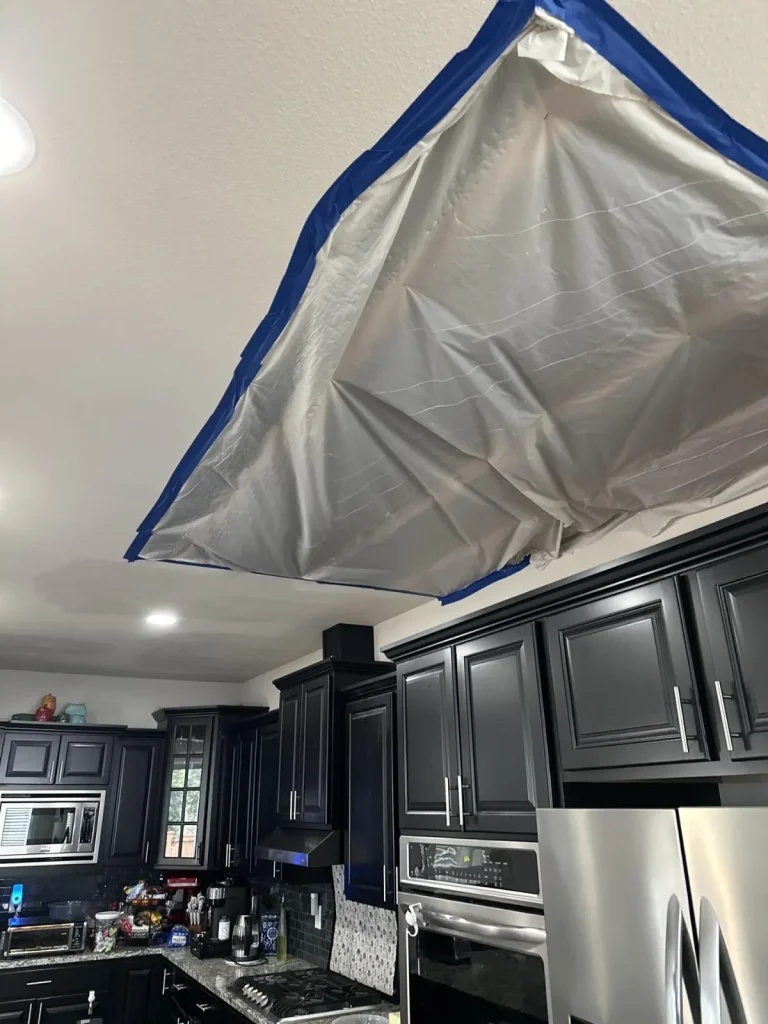
Ceiling stains and sagging drywall are stressful because they usually mean water is still getting in or it got in recently. And with ceiling water damage repair, the order you do things matters: stop the source, dry everything out, then repair and repaint. If you jump straight to patching, you’ll often see the stain come […]
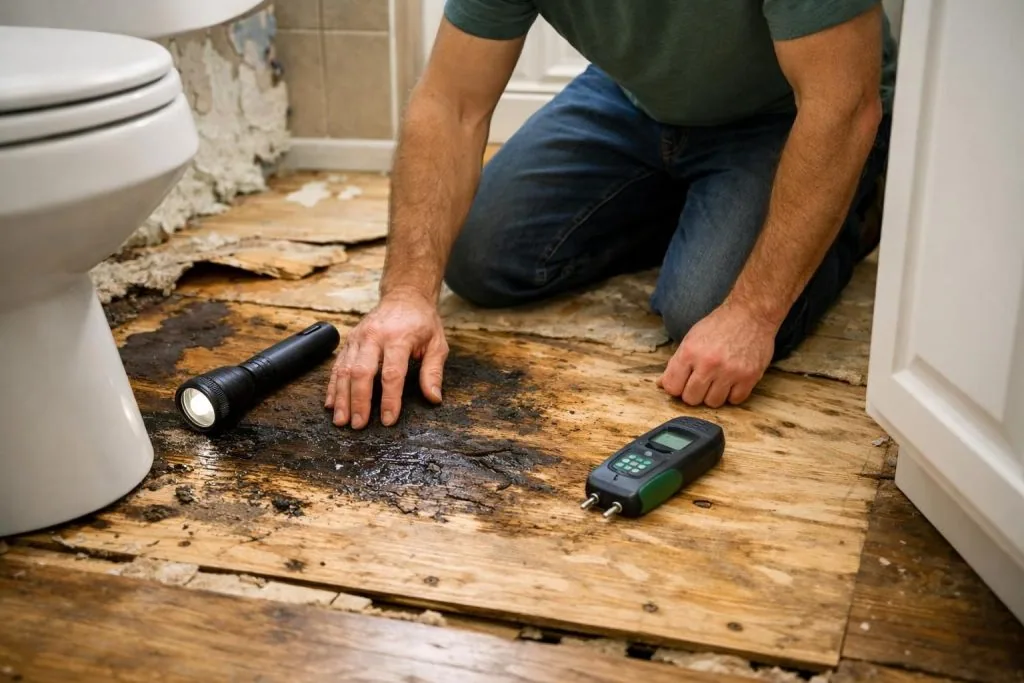
A water damaged subfloor can go from “slightly annoying” to “structural problem” faster than most homeowners expect. The tricky part is that the worst damage often hides under finished flooring, where moisture, swelling, and mold can keep working for weeks. In this guide, you’ll learn the most reliable signs to look for, how subfloor water […]
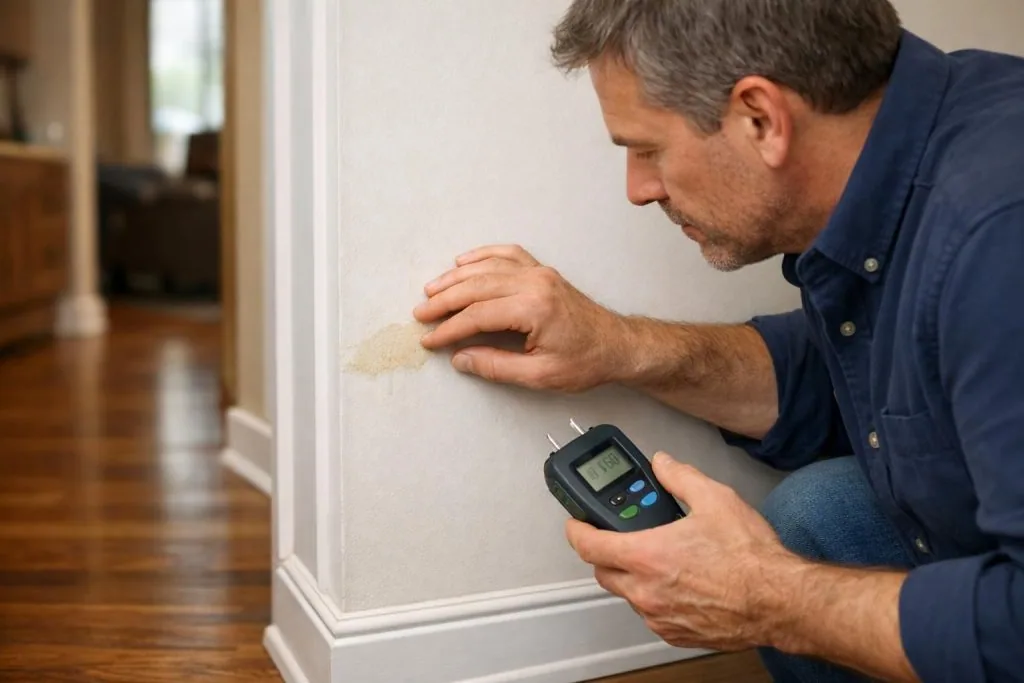
Hidden leaks rarely announce themselves. They quietly soak drywall, swell wood, and feed mold until a “small issue” turns into a messy repair. That’s why knowing the signs of hidden water damage matters, even if your home looks fine on the surface. In this guide, you’ll learn the hidden water damage signs people miss most, […]
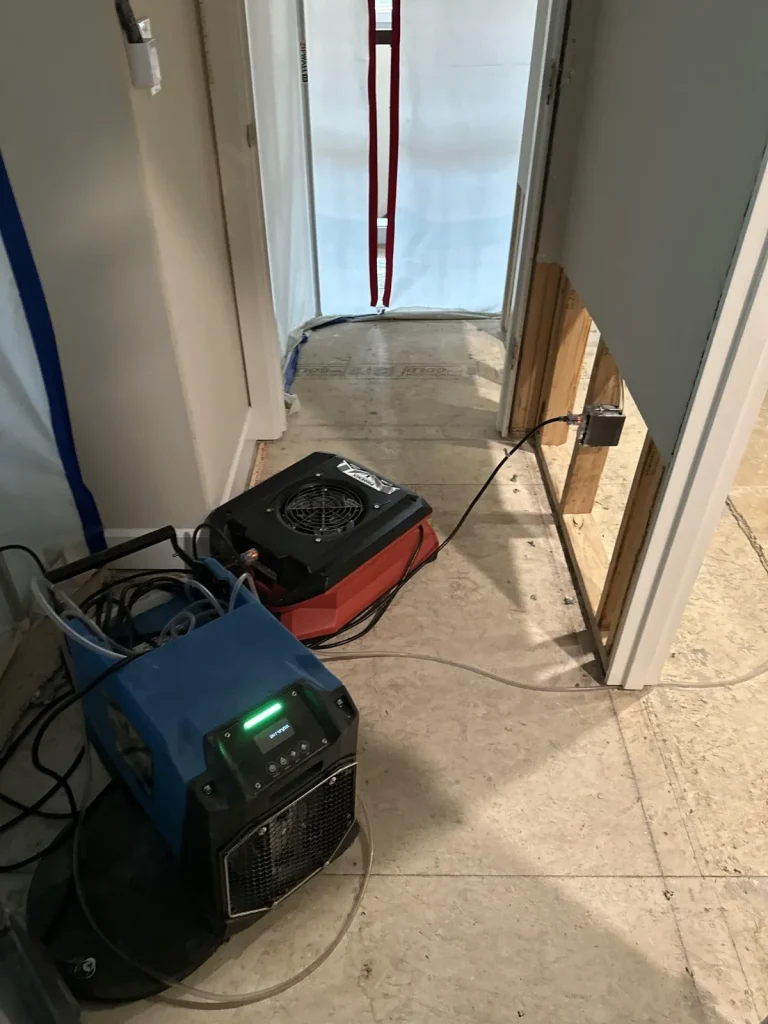
Water on the floor is the obvious problem. The moisture you can’t see is the one that causes the long-tail headaches: swelling wood, soft drywall, musty odors, and mold risk. That’s why a dehumidifier after water damage is often the difference between “we dried it out” and “why does this room still feel damp a […]
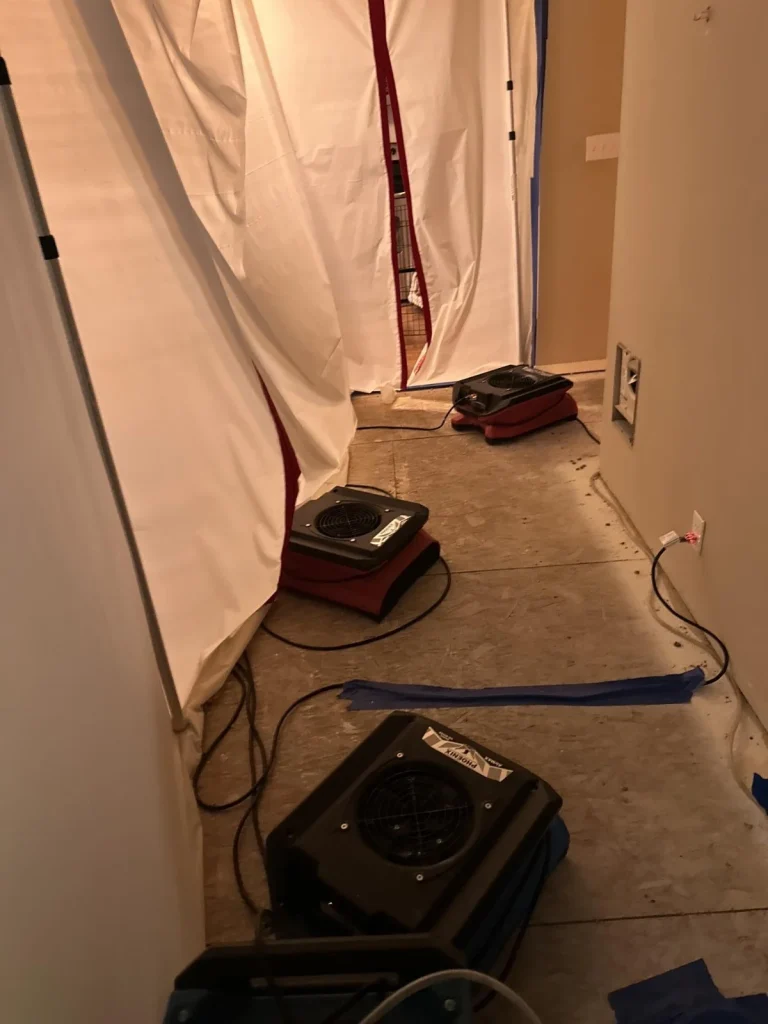
If you’re dealing with a leak, flooding, or a burst pipe, the language can get confusing fast. People say “restoration” when they really mean “drying,” and insurance often splits work into separate buckets. This guide breaks down water mitigation vs water restoration so you can make the right calls in the right order. You’ll learn […]
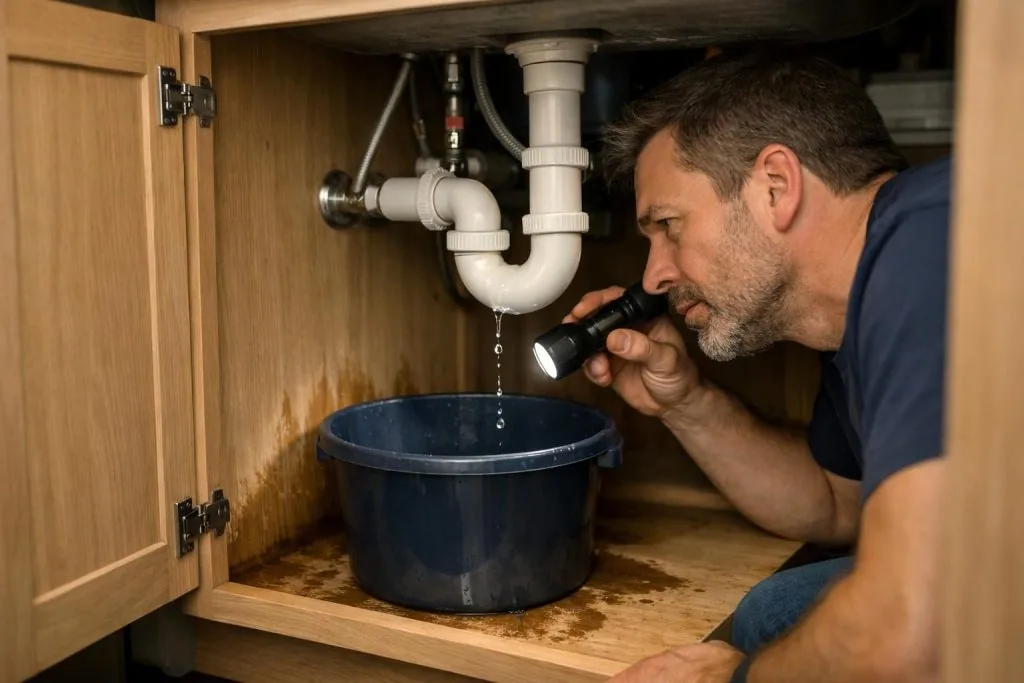
A sink leaking problem feels small until it isn’t. A slow drip under the cabinet can quietly swell particleboard, loosen flooring, and set you up for mold, while a sudden spray can soak everything in minutes. The good news is you can usually track the source with a couple simple tests, then fix it with […]
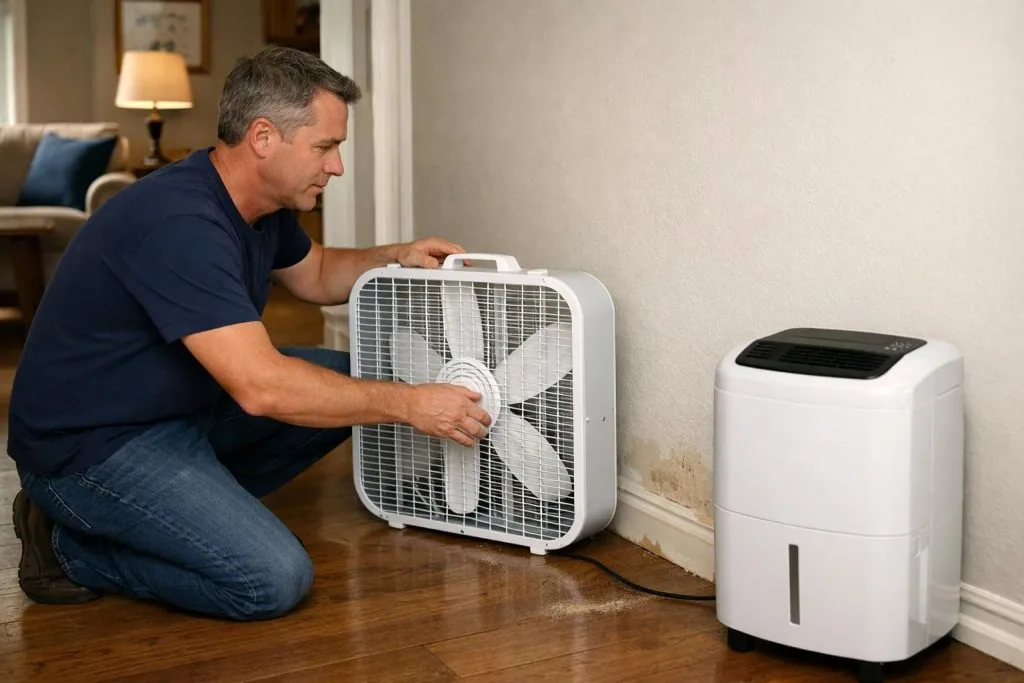
A wall can look fine on the surface and still hide a lot of moisture in the cavity, around insulation, or along wood studs. That’s why the question how long to dry a wall after leak doesn’t have one perfect answer. Drying time depends on the wall material, how far the water traveled, your indoor […]