
Searching for emergency water extraction near me usually means water is actively spreading, materials are getting saturated, and every hour matters. Whether the source is a burst supply line, an overflowing fixture, or water intrusion after a storm, quick action can reduce damage and shorten drying time. This guide explains what qualifies as an emergency, what you can safely do before technicians arrive, and what a professional crew should do first once on site. You will also learn typical timelines, what drives costs, which documents matter for insurance, and how to compare emergency water extraction services near me so you can hire confidently under pressure.
- Stop the source if it is safe, and cut power to wet areas to reduce risk.
- Move valuables and start basic water containment while waiting for pros.
- A reputable company begins with safety checks, source control, and a clear scope.
- Proper drying involves moisture mapping, dehumidification, and ongoing monitoring.
- Good documentation supports insurance claims and prevents disputes later.
What counts as an emergency water extraction call
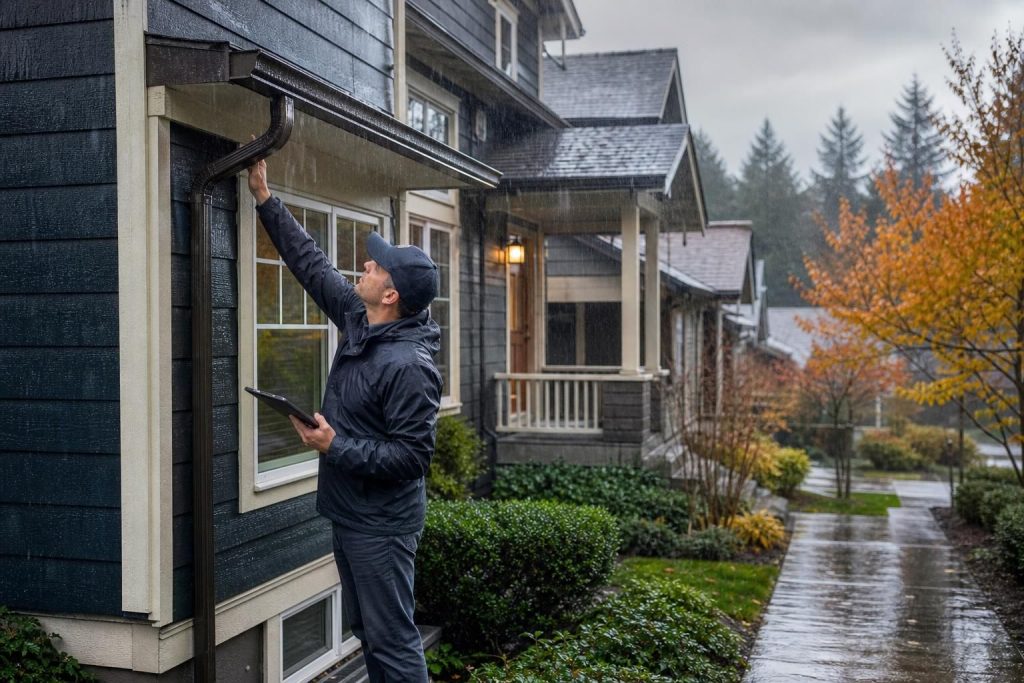
An emergency water extraction call is any situation where water is actively entering the structure, spreading into new areas, or creating immediate safety concerns. Standing water on floors, water dripping through ceilings, and wet electrical outlets are clear emergencies. Even a slow leak can qualify if it is saturating cabinets, subfloors, drywall, or insulation, because hidden moisture can accelerate material damage and create odor and microbial growth risks.
It also counts as an emergency when water affects essential areas like kitchens, bathrooms, mechanical rooms, or occupied bedrooms, or when the water source is uncertain. The urgency increases if the water may be contaminated, such as from a backed-up drain, a toilet overflow beyond the bowl, or water that has traveled through dirty spaces. In these cases, emergency water extraction experts near me should prioritize safety, containment, and a plan for cleaning and drying.
What to do while help is on the way
Start by protecting people, then the property. If you can identify and safely stop the water source, do it: shut off a fixture valve, turn off the main water supply, or stop an appliance cycle. If water is near outlets, cords, or electrical panels, avoid walking through it and consider shutting off power to the affected area at the breaker, but only if you can do so without crossing wet floors.
An emergency water extraction call is any situation where water is actively entering the structure, spreading into new areas, or creating immediate safety concerns related to emergency water damage restoration. Standing water on floors, water dripping through ceilings, and wet electrical outlets are clear emergencies. Even a slow leak can qualify if it is saturating cabinets, subfloors, drywall, or insulation, because hidden moisture can accelerate material damage and create odor and microbial growth risks.
Next, limit spread and preserve items. Move rugs, paper goods, and electronics to a dry location. If water is coming from above, place containers under drips and poke a small drainage hole in a sagging drywall ceiling only if you are comfortable and it is safe, because trapped water can release suddenly. Take clear photos and short videos of the source, affected rooms, and any damaged items. If you have fans, you can run them in safe, dry locations to improve air movement, but avoid aiming air at contaminated water or disturbing suspected sewage.
What a professional water extraction service does first
A good crew arrives with a structured process, not guesses. First, they address safety: they check for slip hazards, assess electrical risks, and confirm whether occupants should avoid certain rooms. Then they verify the water source is stopped or coordinate with a plumber if needed. They also ask key questions about when the loss started, where water was first seen, and what materials were affected, since timelines and material types shape the drying plan.
After that, they establish a clear scope of work. That usually includes identifying affected zones, selecting extraction methods, and deciding what can be dried versus what needs removal. Reputable emergency water extraction services near me should explain what they will do in the first visit, what will happen over the next few days, and how monitoring will work. They should also set expectations about noise, equipment placement, and access needs.
Water removal and extraction equipment used
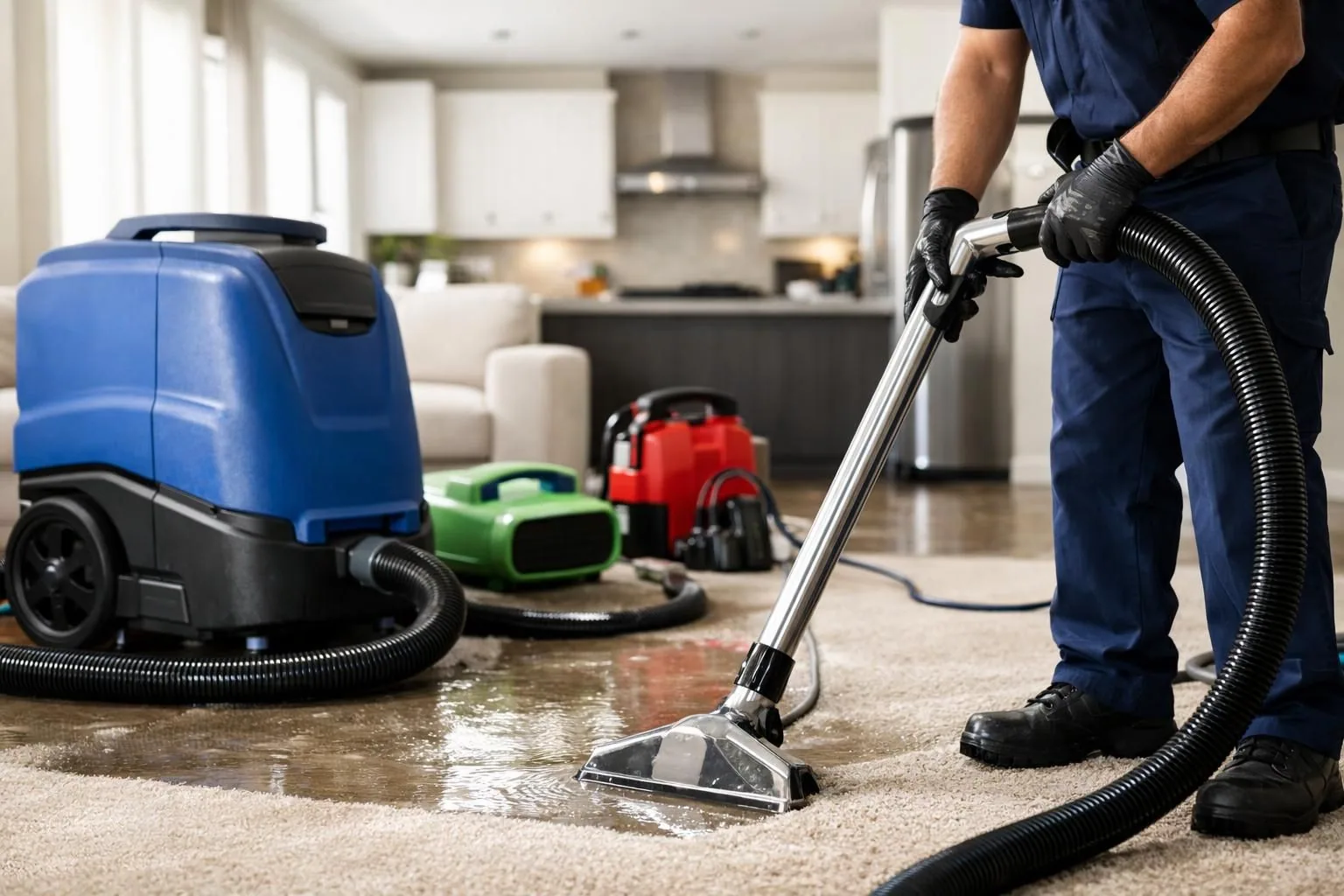
Professional extraction focuses on removing as much liquid water as possible before aggressive drying begins. Crews typically start with pumps for deeper standing water, then use truck-mounted or portable extractors to pull water from carpet, pad, and hard surfaces. For carpeted areas, they may use weighted extraction tools that improve contact with the fibers and backing, helping remove more water quickly.
They may also remove baseboards strategically or open small access points to reach trapped water in wall cavities, depending on the material and how far the water traveled. Extraction is not just about what you can see. A technician should check adjacent rooms, closets, and transitions like door thresholds where water often migrates. Thorough initial extraction shortens drying time, reduces the chance of secondary damage, and helps keep repairs more limited.
Moisture mapping and drying setup
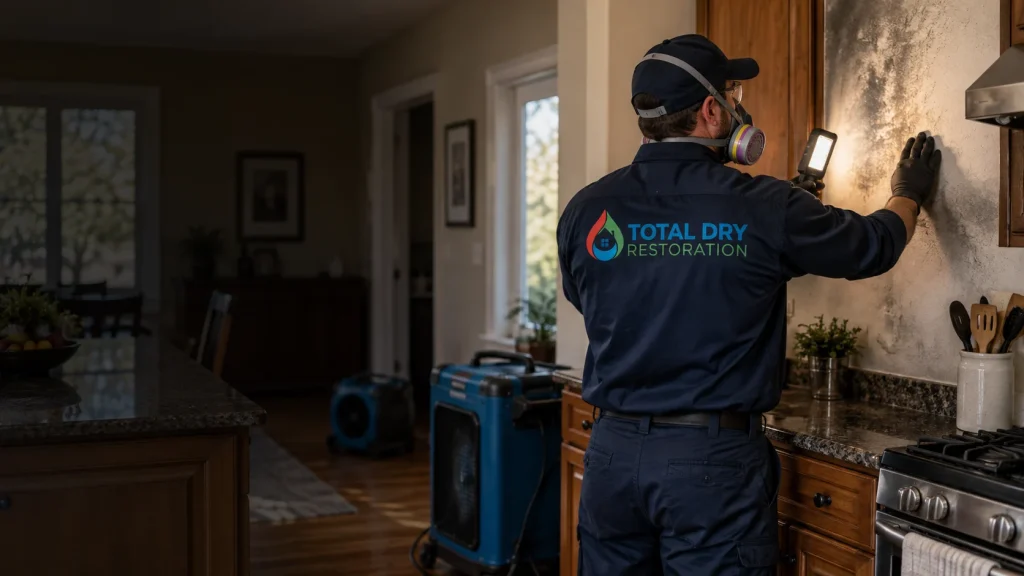
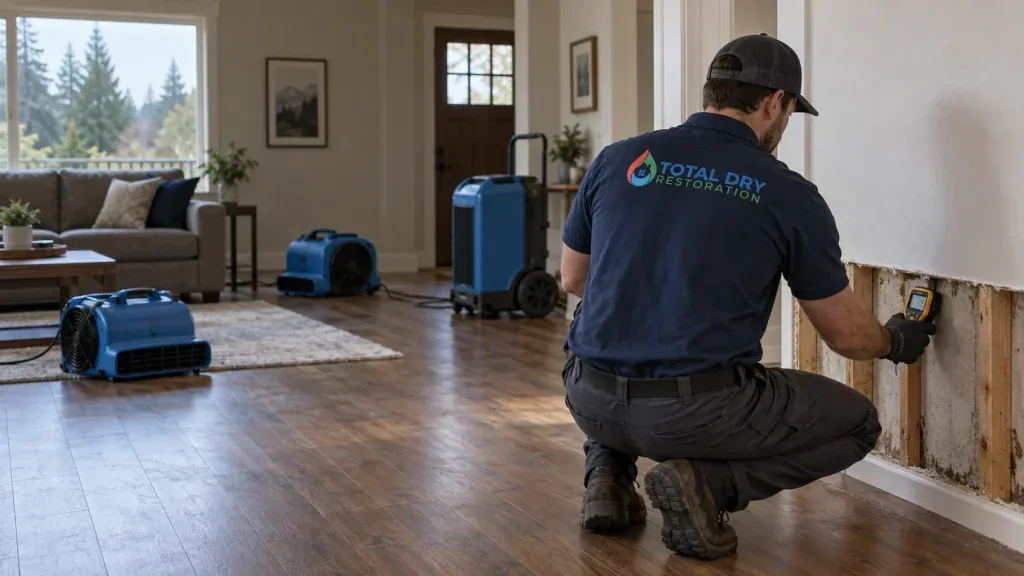
Once bulk water is removed, professionals map moisture to understand what is wet, how wet it is, and where drying needs to be concentrated. They use moisture meters on drywall and wood, and may use non-invasive tools to scan larger areas. The goal is to create a drying plan with target zones, equipment counts, and daily progress checks rather than simply placing a few fans and hoping for the best.
Drying setups commonly combine air movers for evaporation, dehumidifiers to remove moisture from the air, and containment strategies to isolate wet zones. Technicians should document starting readings, then revisit to confirm materials are trending downward. Expect them to adjust equipment placement as conditions change. If drying stalls, they may recommend controlled demolition, such as removing soaked insulation or damaged drywall, so hidden moisture does not linger behind finished surfaces.
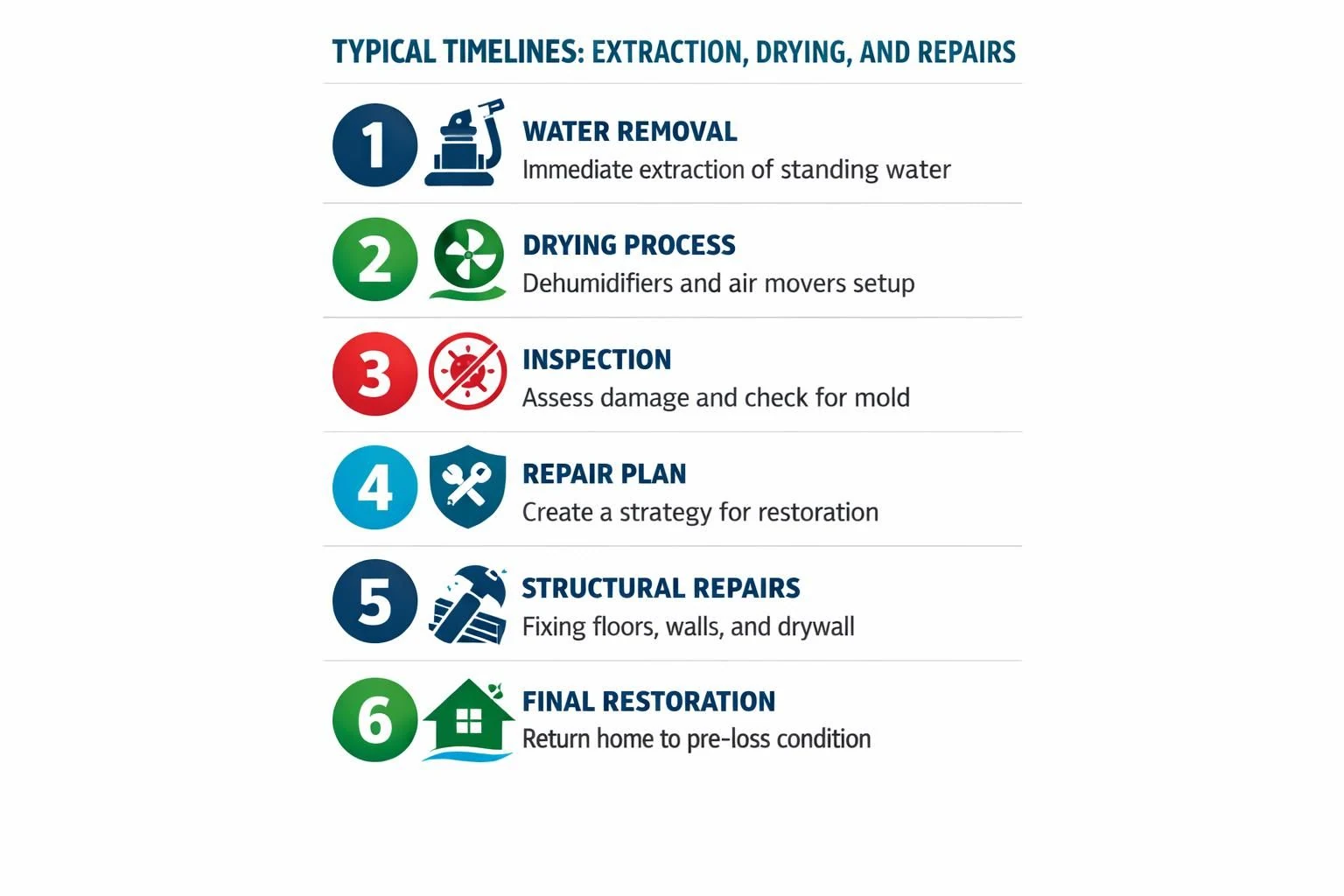
Typical timelines: extraction, drying, and repairs
Extraction often happens the same day as the call, with the goal of removing standing water and stabilizing conditions quickly. Drying generally takes several days, but the timeline depends on how much water entered, which materials were affected, airflow conditions, and how quickly the problem was addressed. Dense materials and multi-layer assemblies, like tile over underlayment or cabinets over subfloors, can slow progress.
Repairs begin after drying goals are met and moisture readings confirm stability. That might include replacing drywall sections, baseboards, flooring, insulation, or cabinetry components. Some companies handle both mitigation and reconstruction, while others stop after drying and documentation. Ask for a realistic sequence: when equipment checks occur, when it will be removed, and what must happen before rebuilding starts. Clear milestones reduce confusion and help you plan around disruption.
Repairs begin after drying goals are met and moisture readings confirm stability. That might include replacing drywall sections, baseboards, flooring, insulation, or cabinetry components. Some companies handle both mitigation and reconstruction, while others stop after drying and documentation to ensure you know how to stop water damage from spreading. Ask for a realistic sequence: when equipment checks occur, when it will be removed, and what must happen before rebuilding starts. Clear milestones reduce confusion and help you plan around disruption.
After that, they establish a clear scope of work. That usually includes identifying affected zones, selecting extraction methods, and deciding what can be dried versus what needs removal. Reputable emergency water extraction services near me should explain what they will do in the first visit, what will happen over the next few days, and how water damage restoration monitoring will work. They should also set expectations about noise, equipment placement, and access needs.
Cost factors and how estimates are built
Costs are usually shaped by the category and extent of water, how many rooms are affected, and the amount of labor and equipment needed. Standing water extraction, demolition of unsalvageable materials, specialized cleaning for contaminated water, and extended drying time can all change the scope. Access can matter too: tight crawlspaces, multiple levels, or saturated built-ins can increase labor and complexity.
A professional estimate should break down major components and explain assumptions. Look for clarity on:
Professional extraction focuses on removing as much liquid water as possible before aggressive drying begins. Crews typically start with pumps for deeper standing water, then use truck-mounted or portable extractors to pull water from carpet, pad, and hard surfaces. For carpeted areas, they may use weighted extraction tools that improve contact with the fibers and backing, helping remove more water quickly after a burst pipe.
- What areas are included and excluded
- What equipment will be used and for how long
- What materials, if any, will be removed and disposed of
- How monitoring visits are handled and documented
- What triggers a scope change if new wet areas are discovered
Insurance documentation your contractor should provide
Good documentation helps your claim move smoothly and reduces disputes. Your contractor should provide a written scope of work, a drying plan, and a record of daily monitoring readings, including moisture levels and equipment changes. Before-and-after photos are important, especially for hidden or less obvious damage behind baseboards, under flooring edges, or in wall cavities.
You should also receive an itemized invoice that matches the scope and clearly lists services performed. If materials were removed, ask for notes showing why removal was necessary and which areas were affected. If you are working with an adjuster, it helps when the contractor can explain the rationale behind the mitigation steps in plain language, linking decisions to moisture readings and observed conditions rather than vague statements.
How to choose a local water damage company (questions to ask)

When you are comparing emergency water extraction experts near me, focus on process, communication, and accountability. Ask how quickly they can arrive, what their first visit includes, and how often they will return to monitor drying. Confirm who will be your point of contact and how scope changes are approved. A trustworthy company will explain tradeoffs and won’t pressure you to decide before you understand the plan.
Helpful questions include:
- How will you confirm all affected areas are found, including hidden moisture?
- What drying goals are you targeting, and how will you measure progress?
- Will you provide written documentation and daily readings?
- Do you coordinate with plumbers or electricians if needed?
- What is your plan if drying stalls or new damage is discovered?
Red flags to avoid (upsells, vague scopes, no monitoring),
Be cautious of companies that promise instant results, refuse to put details in writing, or avoid discussing measurement and monitoring. Drying is a process that requires verification. If a contractor cannot explain how they will track moisture or when equipment can safely be removed, you risk incomplete drying and recurring problems later.
Also watch for aggressive upsells that are not tied to observed conditions, such as pushing major demolition without documenting moisture, or recommending unnecessary add-ons without explaining why they are needed. Vague scopes like “dry affected area” without boundaries, equipment details, or monitoring plans can lead to surprise charges and missed areas. A professional should welcome questions, document decisions, and provide updates based on real readings, not assumptions.
Also watch for aggressive upsells that are not tied to observed conditions, such as pushing major demolition without documenting moisture, or recommending unnecessary add-ons without explaining why they are needed. Vague scopes like “dry affected area” without boundaries, equipment details, or monitoring plans can lead to surprise charges and missed areas. A professional should welcome questions, document decisions, and provide updates based on real readings, such as whether to turn off electricity after a water leak, not assumptions.
Conclusion
When water is spreading, a clear plan matters as much as a fast response. Start with safety, stop the source if you can, document the situation, and then rely on a company that measures moisture, explains the scope, and monitors progress until drying goals are met. Use the questions and red flags above to compare providers and avoid confusion during a stressful moment. If you are searching for emergency water extraction near me, choose a team that can arrive quickly, communicate clearly, and back every step with documentation you can use for repairs and insurance.