Water Damage Restoration
Water damage restoration is more than drying what you can see. We start with a quick assessment, then handle water removal and water extraction, followed by drying and dehumidification and verified structural drying. If you’re dealing with a leak, overflow, or flood damage cleanup, our goal is to stabilize the space fast and restore it safely.
Why Choose Our Service
What We Offer
We handle the full water damage restoration process, from emergency assessment and water extraction to structural drying, cleanup, and repairs. The goal is simple: remove water, dry the structure, and get your home back to a stable, safe condition.
Emergency Damage Assessment
We inspect affected areas, identify the source of water intrusion, check moisture levels, and outline a clear restoration plan.
Water Extraction & Removal
Using professional pumps and vacuums, we perform water removal and water extraction to reduce spread and limit structural damage.
Advanced Structural Drying
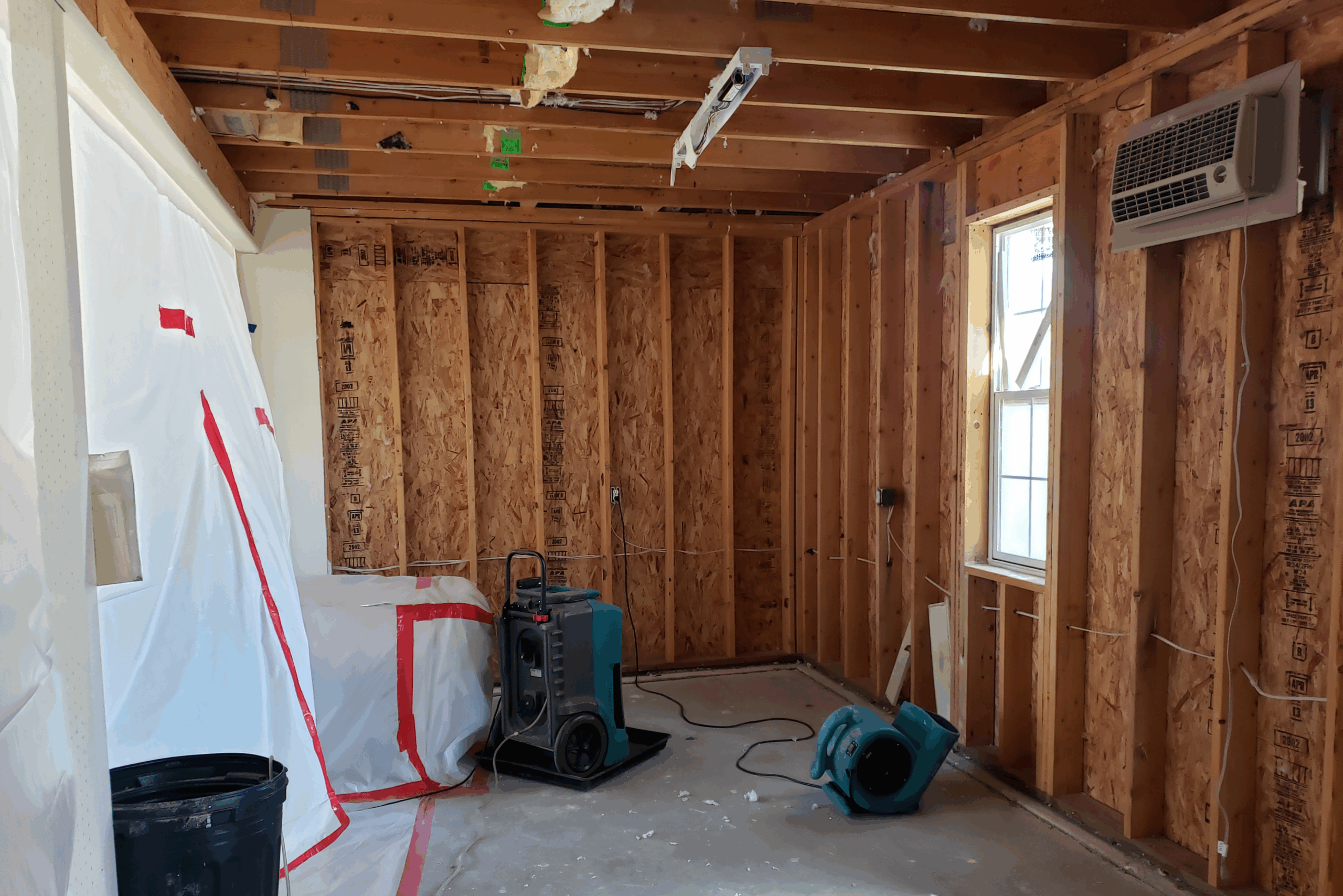
We use air movers and drying and dehumidification equipment to complete structural drying in walls, floors, and building materials.
Mold Prevention & Monitoring
We apply targeted treatments as needed and monitor moisture during drying to help prevent mold growth after water damage.
Damage Cleanup & Sanitization
We clean, disinfect, and deodorize impacted surfaces to help restore a safe, livable space.
Repairs & Restoration
From drywall and flooring to trim and insulation, we repair damage and rebuild affected areas back to pre-loss condition.
Insurance Guidance & Documentation
We document the damage, provide reports, and support the claims process with the details insurers typically request.
Ongoing Support & Prevention Planning
We offer follow-up moisture checks and practical prevention guidance to help reduce the risk of future water issues.
Water Damage Restoration in Burien, WA
Water damage is rarely contained to one obvious spot. Moisture can travel behind baseboards, into drywall, under flooring, and into insulation, especially when the source is a slow leak. That is why our water damage restoration in Burien, WA follows a measured process: we assess what’s affected, perform water removal and water extraction, then complete drying and dehumidification and structural drying before repairs begin. The goal is to restore your home safely, not just make it look dry on the surface.
Water removal and water extraction, done the right way
Removing standing water is only the first step. We use professional extraction equipment to pull water from carpet, padding, and hard surfaces, then focus on the areas you can’t see, like subfloors and wall cavities. During extraction and cleanup, we track moisture levels to understand the scope of the loss and keep the work targeted. This helps reduce unnecessary demolition, speeds up drying, and can limit the amount of material that needs to be replaced.
Structural drying, drying and dehumidification, and moisture checks
Drying the structure is where many restorations succeed or fail. We set up air movers and dehumidifiers based on moisture readings, then monitor progress until materials return to safe moisture levels. Structural drying is not just running fans for a day; it is controlled drying with check-ins and adjustments as conditions change. When needed, we also apply prevention steps to help reduce the chance of post-loss mold growth and lingering odor issues once the water is gone.
Emergency Restoration Help, Ready 24/7.
Water, mold, or contamination can turn into a bigger problem fast.
Total Dry Restoration serves Burien, WA with 24/7 emergency response, cleanup, drying, and repairs.
Request Your Free On-Site Assessment
Reach Out, We’re Here to Help
Our team is ready to respond across Burien and nearby areas. If you need quick guidance on next steps, drying timelines, or what to document for insurance, give us a call.
Water Damage Restoration FAQs
Quick answers on drying time, the equipment we use, mold risk, and what insurance typically asks for.