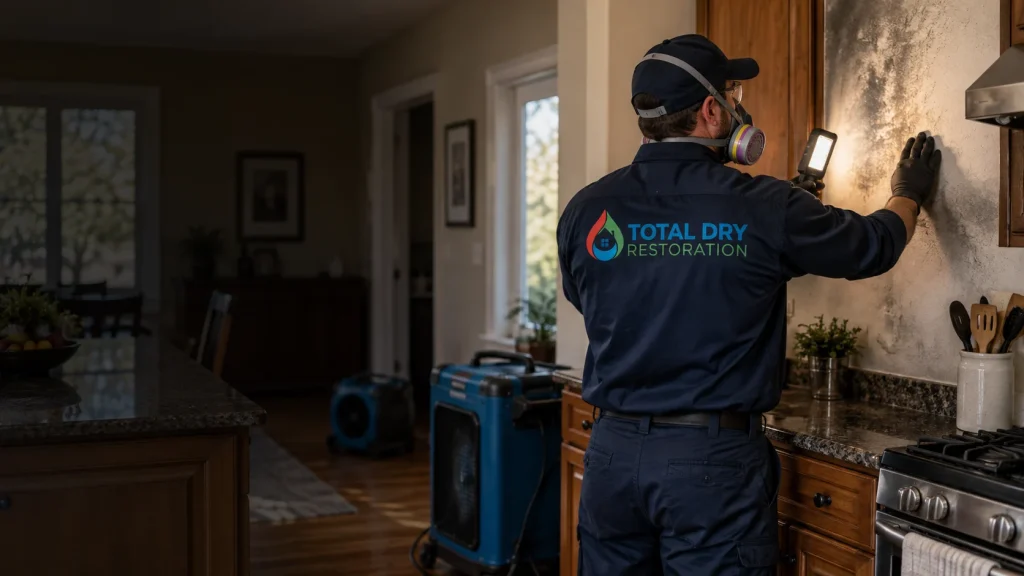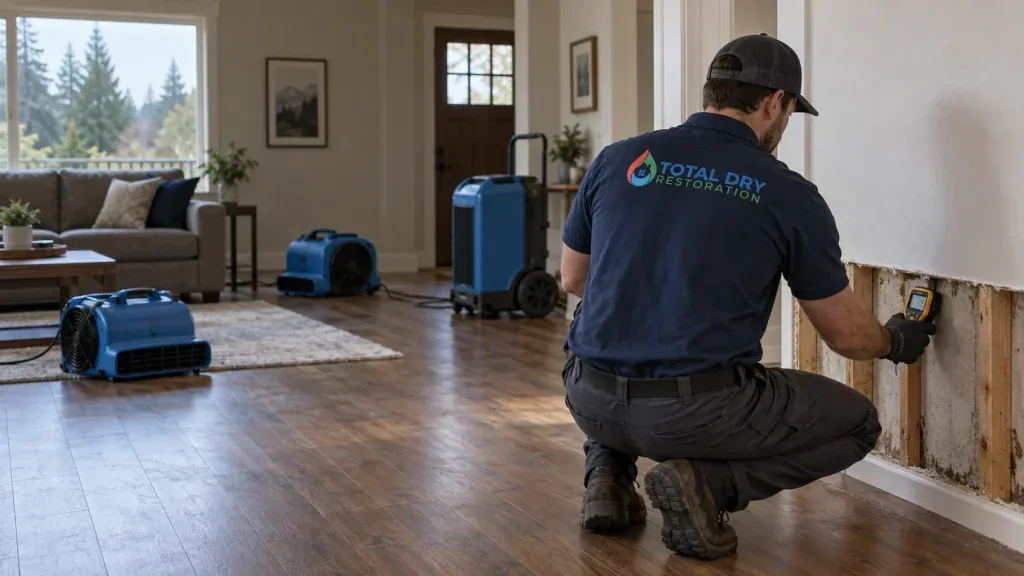

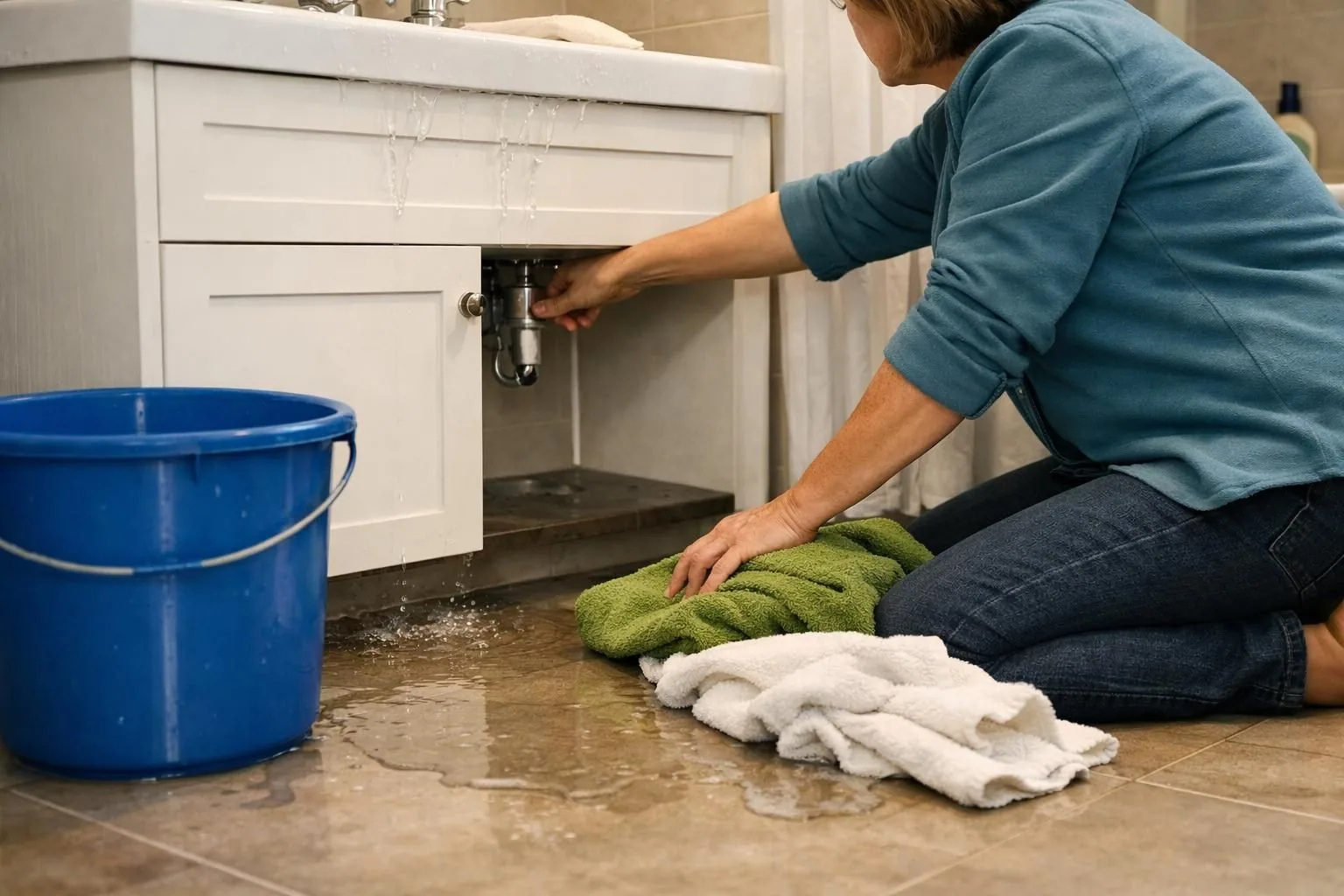
A clogged drain overflow is one of those problems that feels small, right up until water is on the floor and you’re scrambling for towels. The good news: you can usually stop the mess fast, figure out what the overflow is telling you, and try a few safe fixes before you panic. In this guide, you’ll learn the immediate shutdown steps, how to tell a simple fixture clog from a bigger pipe blockage, which DIY methods actually work, and when it’s smarter to bring in a plumber.
Best for: Homeowners or renters dealing with a sudden sink, tub, or bathroom drain overflow who want a safe, step-by-step response.
Not ideal when: Multiple drains are backing up or you suspect sewage, since DIY attempts can spread contamination and worsen the mess.
Good first step if: The water is still running or rising, and you need to contain standing water before troubleshooting the clog.
Call a pro if: You hear gurgling in other fixtures, smell sewage, or the overflow returns quickly after basic clearing attempts.
Quick Summary
-
Stop the water source first, then contain the spill with towels and a bucket before you try clearing anything.
-
A single slow drain usually points to local hair buildup, soap scum, or food debris near the fixture.
-
Multiple fixtures backing up often signals a deeper pipe problem like a main line restriction.
-
Start with gentle methods (dish soap, hot water flush, plunging) before moving to tools like a zip-it tool or hand auger.
-
Drying matters as much as unclogging because damp flooring and cabinets can warp and invite mold.
Immediate Steps to Stop a Clogged Drain Overflow
Stop the water source, lower the water level, then contain the spill. For sinks, shut faucet handles or supply valves. For tubs, stop the fill. For toilet-style events, close the shutoff valve and don’t flush. Use towels and a bucket, and clear the floor to protect baseboards.
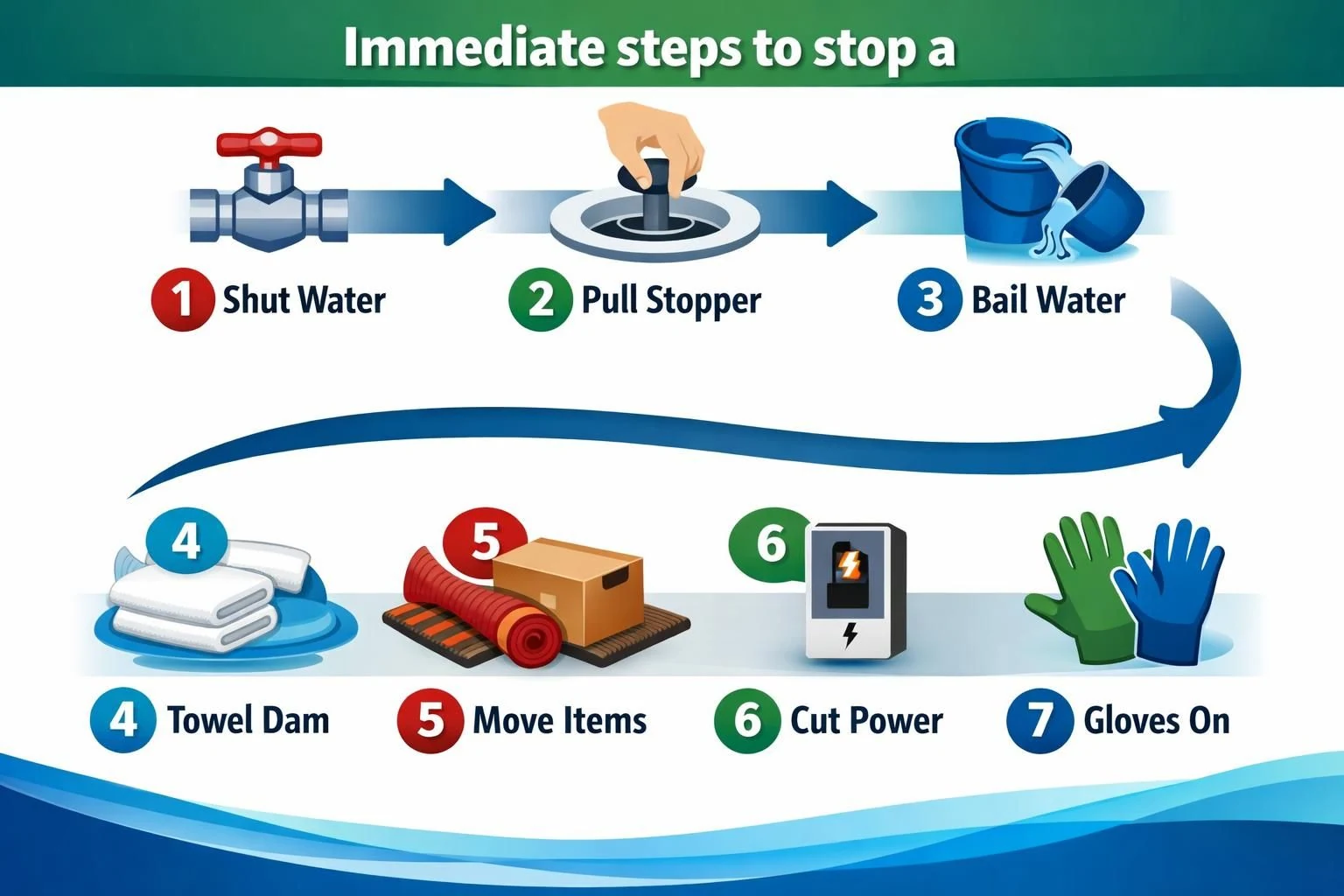
Shut Off Water and Protect Nearby Surfaces
Shut off the fixture and remove the stopper or pop-up so standing water can drop. Cover splash areas with towels and move rugs, toiletries, and cardboard items. For toilet overflows, use toilet overflow cleanup steps.
Safety First (Electricity, Sewage/contamination)
Treat overflow water as a slip hazard and an electrical risk near outlets, cords, or lights. If unsure, shut power at the breaker, especially in bathrooms. Read turning off power safely before stepping into pooled water. If it smells like sewage, wear gloves and keep kids and pets out.
What a Clogged Drain Overflow Usually Means (and How to Tell)
An overflow means water can’t pass a clog fast enough, so it backs up through the lowest opening. Common causes are hair, soap scum, grease, or trap-arm sludge. The fastest clue: is one fixture affected, or are several drains slow, gurgling, or acting connected?
Single Fixture Vs. Multiple Drains Backing up
One slow, overflowing sink or tub usually means a nearby clog: under the stopper, in the tailpiece, or the P-trap. If water seeps from the overflow opening when plunging, it’s involved. If other fixtures gurgle, suspect deeper blockage.
Signs of a Main Sewer Line Problem
If several fixtures back up, the lowest drain overflows first, or you notice gurgling with sewer odor, suspect a restricted main line. Water rising in a tub when a sink runs is another clue. Stop adding water; pressure can force sewage out.
Fix a Clogged Drain Overflow: DIY Methods That Work
Start gentle to avoid damage and pushing debris deeper. Remove visible gunk with pliers or a grab tool. Flush hot water with dish soap, then plunge. If it’s still slow, use a zip-it tool or hand snake. For sink clogs, P-trap cleaning often clears packed sludge quickly.
Plunger and Overflow Opening Tips
Plunge effectively by preventing air leaks and creating sharp pressure. Use a cup plunger for sinks and tubs. For sinks, plug the overflow opening with a wet rag. Add enough water to cover the cup, then do 10 to 20 firm plung
Snake/zip Tool, P-trap, and Safe Cleaners
Use a zip-it tool for hair: feed it into the drain, twist, pull, and repeat. For deeper clogs, run a hand auger slowly and don’t force bends. For sinks, remove and clean the P-trap over a bucket. Avoid harsh drain cleaners (lye or sulfuric acid). Enzymatic cleaners are gentler but slow.
If Water Got Out: Cleanup and Drying Basics to Prevent Damage
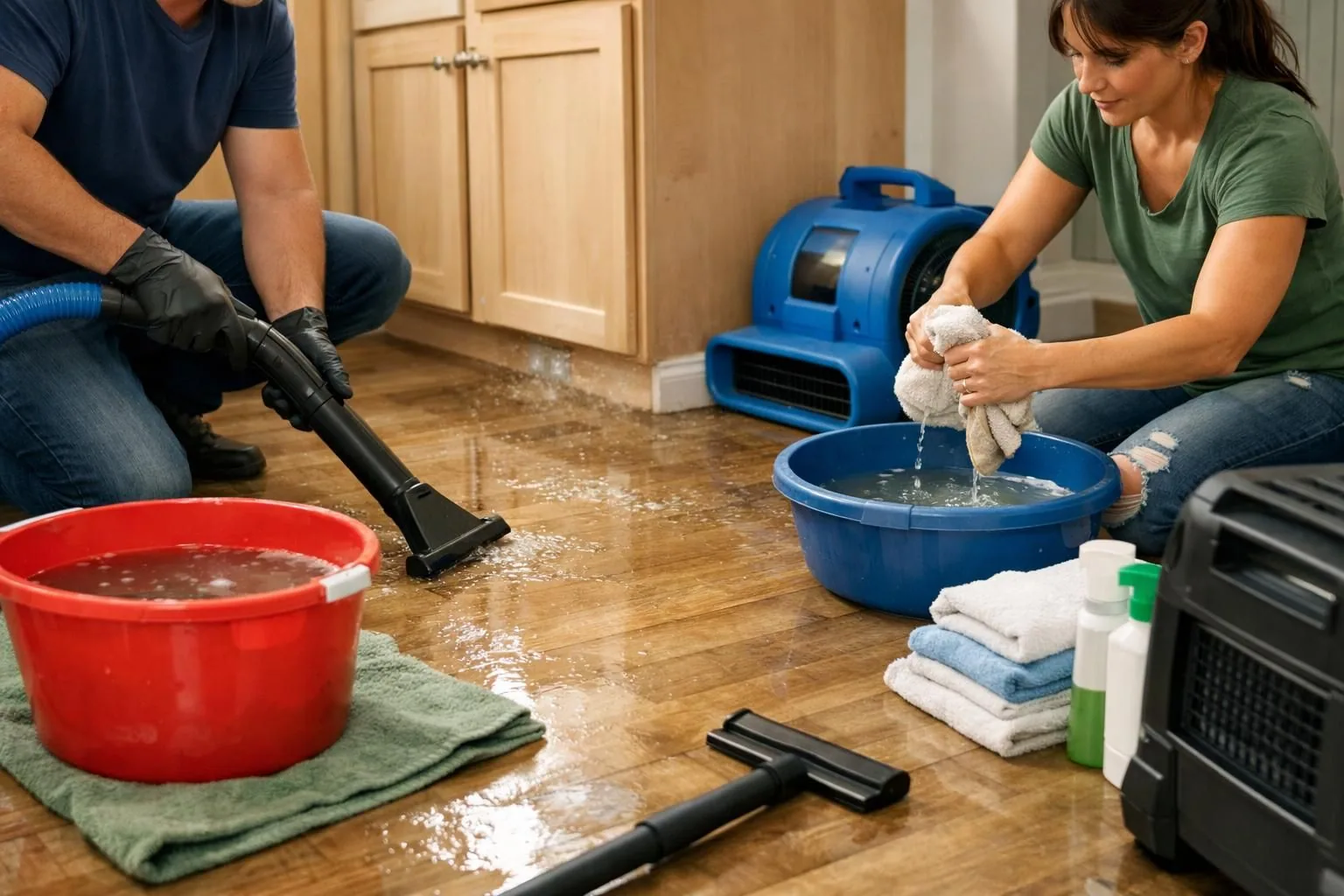
Prevent damage with speed and airflow: remove water, dry materials, and lower humidity. Towel up or wet-vac standing water, open cabinet doors, and remove items stored on the floor. If water reached hidden voids under toe-kicks or baseboards, use dehumidification, not just a fan.
What to Dry First (Flooring, Cabinets, Drywall)
Dry the most absorbent, lowest materials first. Prioritize flooring seams and underlayment, cabinet bases (especially particleboard edges), and drywall bottoms that feel soft or swollen. For a simple first-day plan, use dry the room fast for clear priorities.
When to Involve Water Damage Restoration
Call water damage restoration if water spread under flooring, soaked cabinets, entered wall cavities, or may be contaminated by a sewer backup. Pros can extract water, set drying and dehumidifiers, and help document losses for insurance. Use stop damage from spreading to gauge urgency.
When to Call a Plumber (and What to Say on the Phone)
Call a plumber if DIY tools don’t budge the clog, multiple drains are affected, or continued work could damage pipes. Describe what overflowed, what else drains slowly, and what you tried (plunger, zip-it, auger, P-trap). Mention gurgling, sewage odor, and whether there’s cleanout access.
Red Flags: Recurring Overflows, Gurgling, Sewage Smell
Recurring overflows suggest more than hair, like grease buildup, a collapsed section, or venting issues. Gurgling can mean air pulled through traps by a restriction. Sewage smell is a hard stop: stop water and avoid chemicals in standing water.
Conclusion
A clogged drain overflow is usually manageable when you act in the right order: stop the water, contain the spill, then diagnose whether it’s a local fixture clog or a system-wide restriction. Use gentle clearing methods first, dry thoroughly to prevent hidden damage, and take sewage odor or multi-drain backups seriously. When symptoms point to a deeper blockage or the overflow keeps returning, calling a plumber early can prevent a bigger cleanup later.