Category: Uncategorized
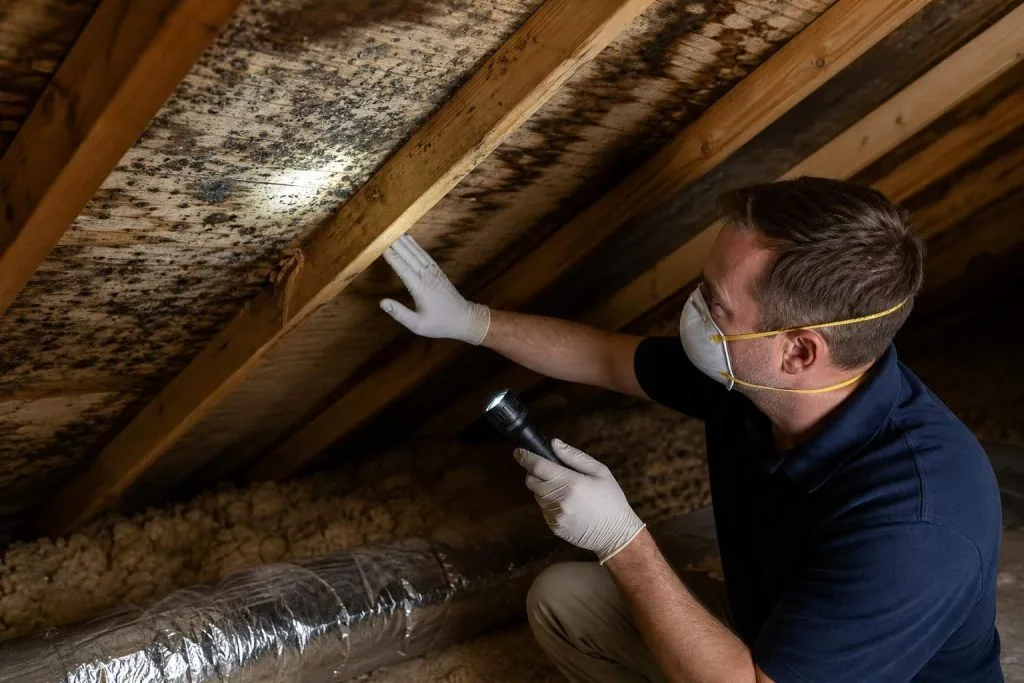
A roof leak can cause attic mold when moisture soaks into insulation, wood framing, or roof sheathing and stays trapped. A fresh leak may only mean active moisture. A stained board may be old damage. Established mold usually shows up as dark spotting, a musty odor, or attic materials that stay damp after the roof […]
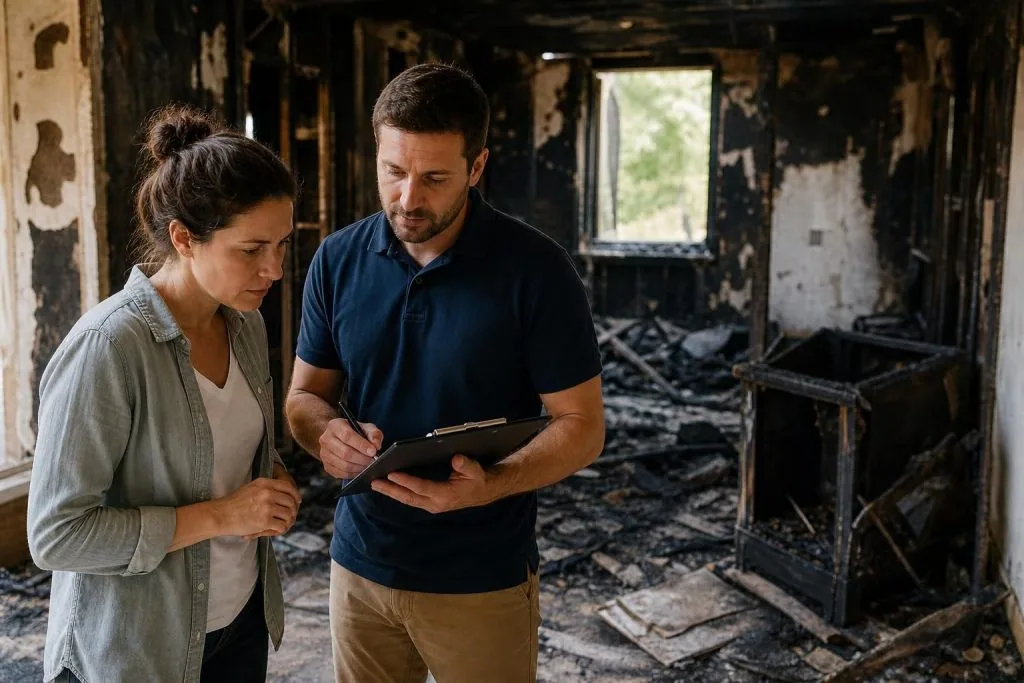
After a house fire, the first job is to stay safe, avoid rushing cleanup, and save proof before the scene changes. These fire damage insurance claim tips will help you build a clear claim file with photos, notes, receipts, inventory records, and restoration paperwork. This guide is for documenting and supporting a claim. It is […]
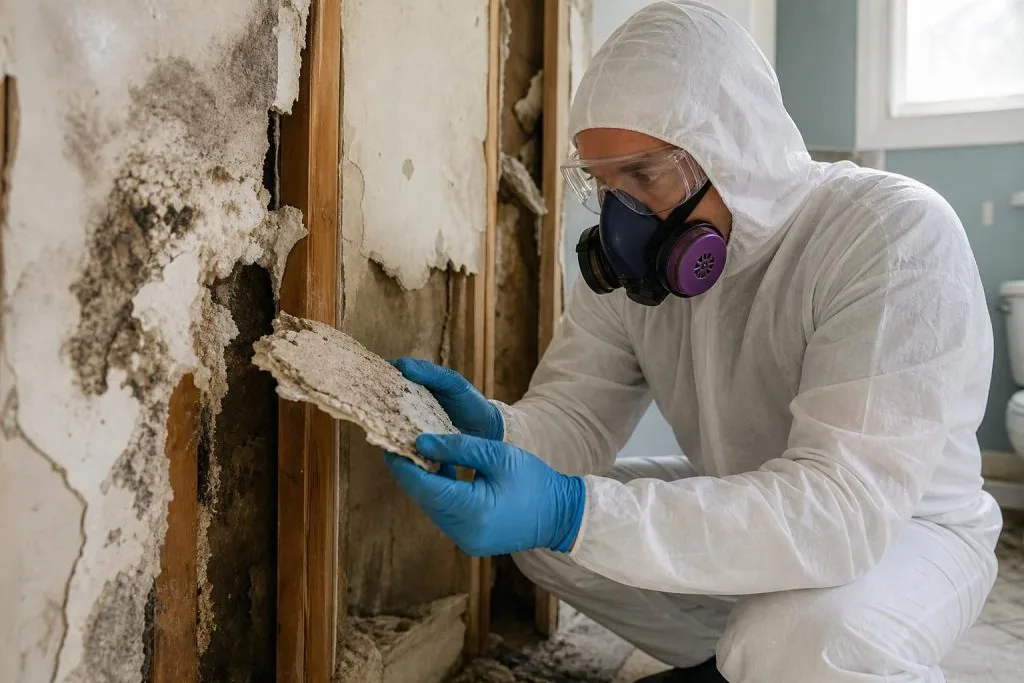
Before you touch wet ceiling tiles, swollen wallboard, or crumbling plaster, ask one question: could this material be old enough to contain asbestos? Not all water damage involves asbestos, but asbestos after water damage becomes a concern when older materials are stained, sagging, broken, soft, or about to be demolished. Stop cutting, scraping, drilling, or […]
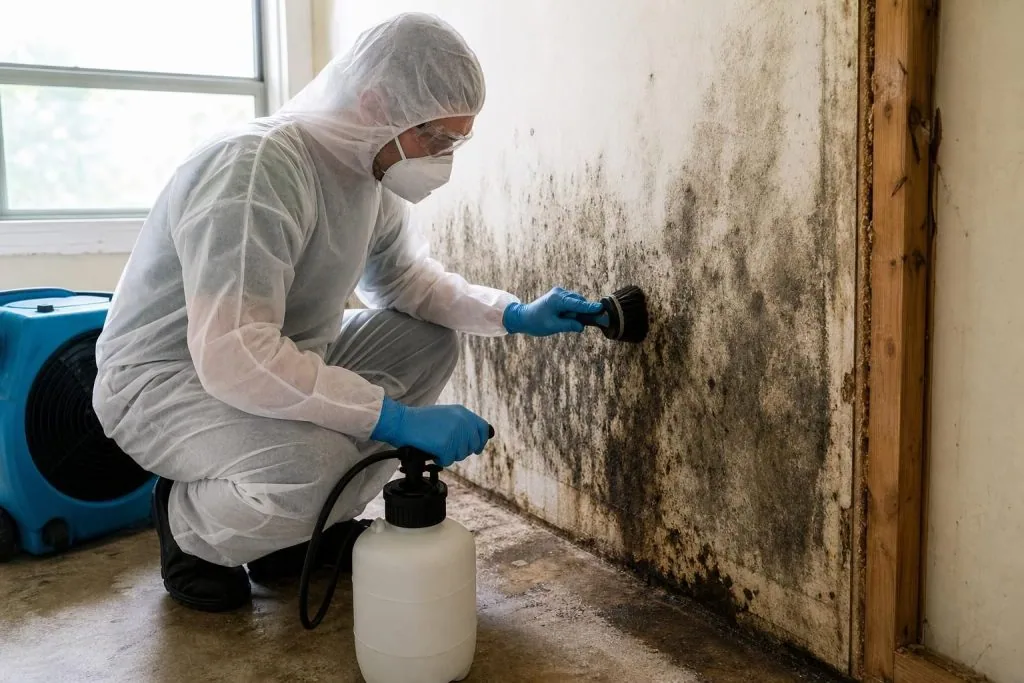
The mold remediation process is the step-by-step work used to find mold, stop it from spreading, remove contaminated materials, dry the area, and make sure the moisture problem is controlled. Think of it like fixing a leak and cleaning the mess, not just wiping a stain off a wall. If the source of moisture stays […]
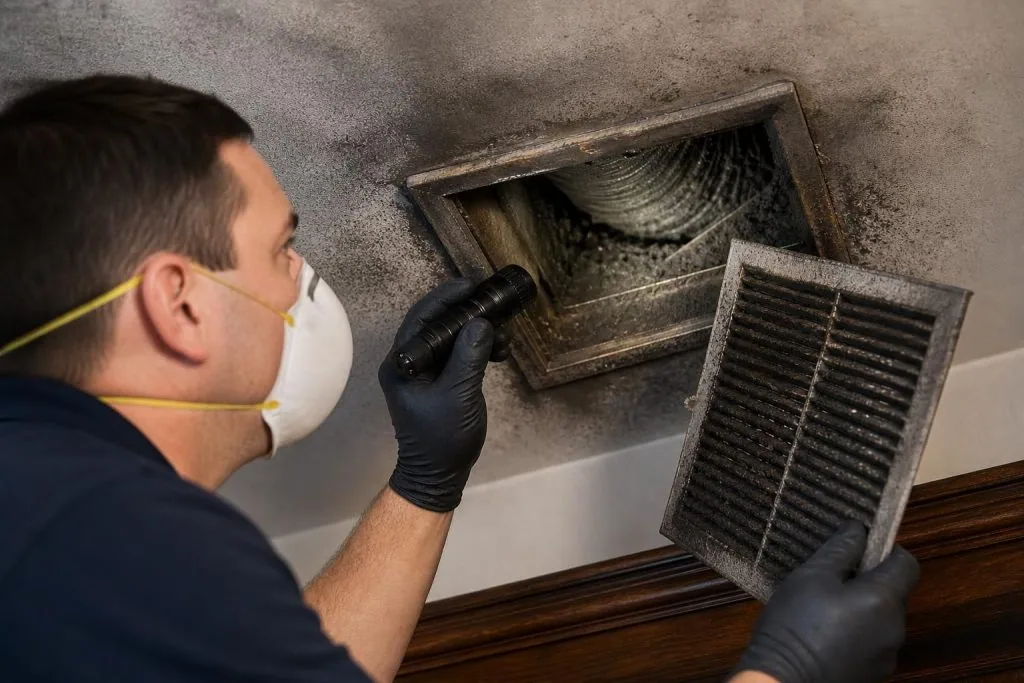
Yes, your HVAC system should be inspected after a fire if smoke was anywhere near returns, vents, filters, or the indoor air handler. HVAC smoke damage after fire matters because the system can pull in smoke particles and then spread HVAC smoke odor through rooms that weren’t directly affected. Leave the furnace, air conditioner, or […]
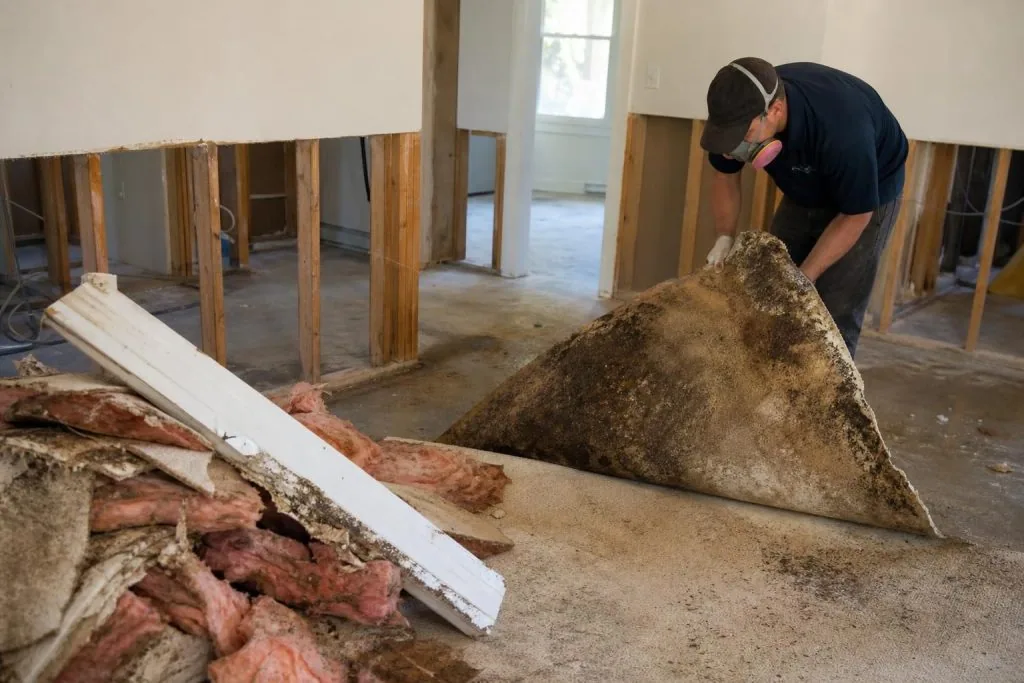
Category 3 water damage means water has touched dangerous contamination, so the cleanup plan changes right away. This is the kind of water homeowners often call black water damage, contaminated water damage, or sewage water damage. It may contain waste, chemicals, bacteria, or other unsafe material you can't see just by looking at the floor. […]
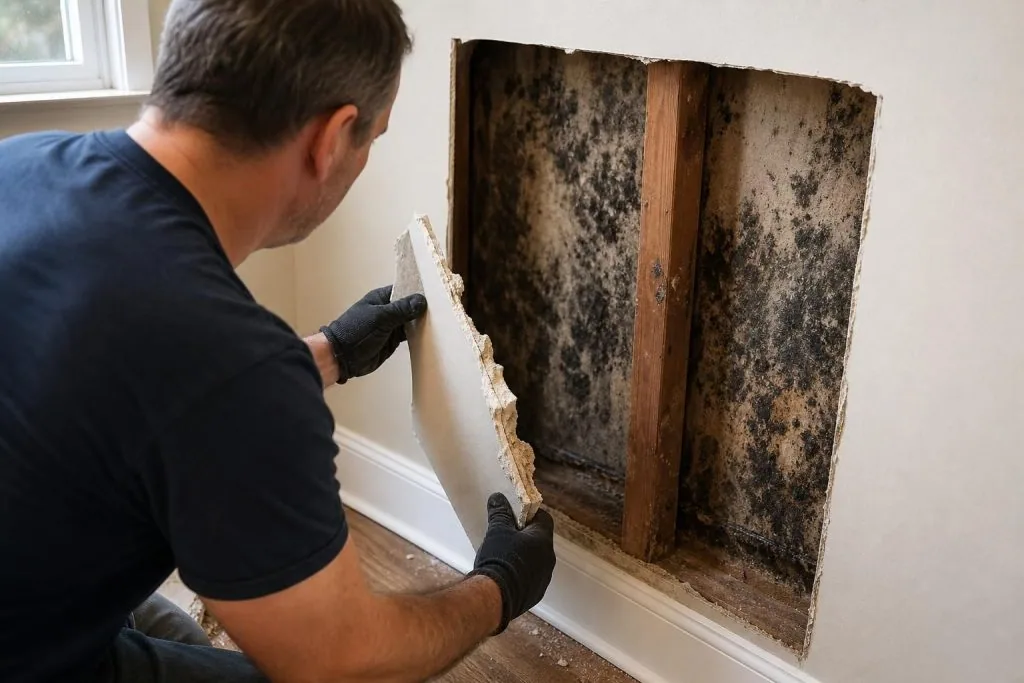
A musty smell near one wall, bubbling paint after a leak, or drywall that feels soft but shows no fuzzy growth can all point to mold behind drywall. It doesn't prove mold is there, but it means moisture may be trapped in the wall cavity where you can't see it. Don't cut the wall open […]
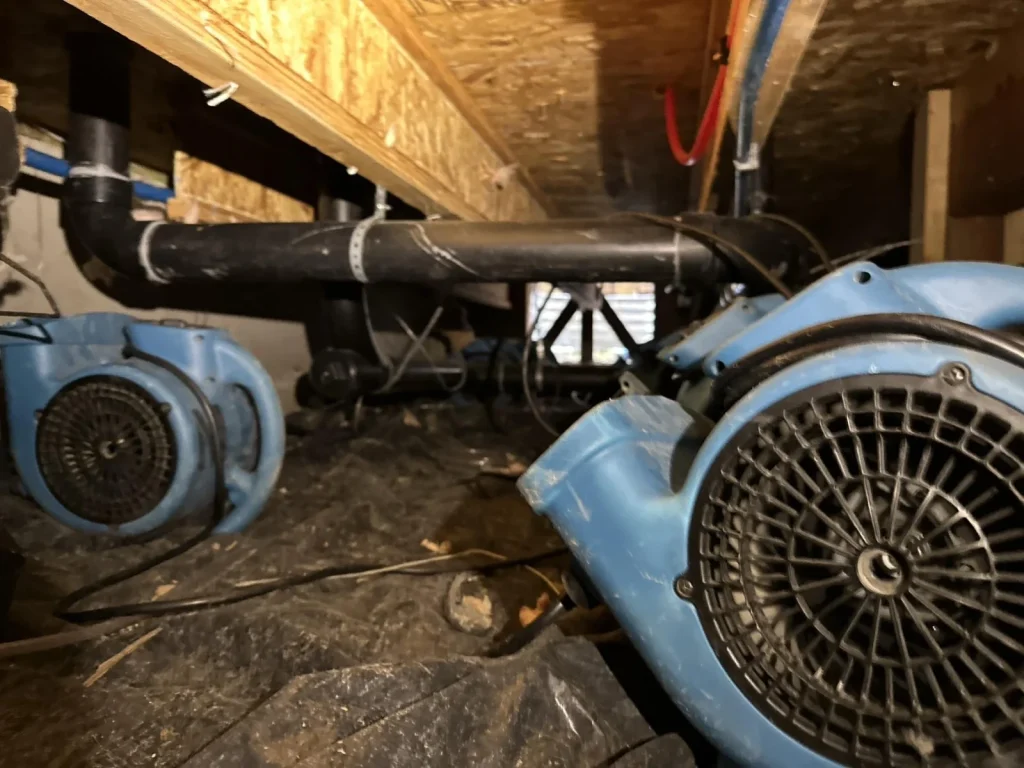
Finding water under your house is stressful, but the first move is simple: stop the leak, stay safe, and check how far the moisture spread. Crawl space water damage after a pipe leak can look minor from above while damp soil, soaked insulation, or a wet subfloor keeps moisture trapped below. That hidden dampness is […]
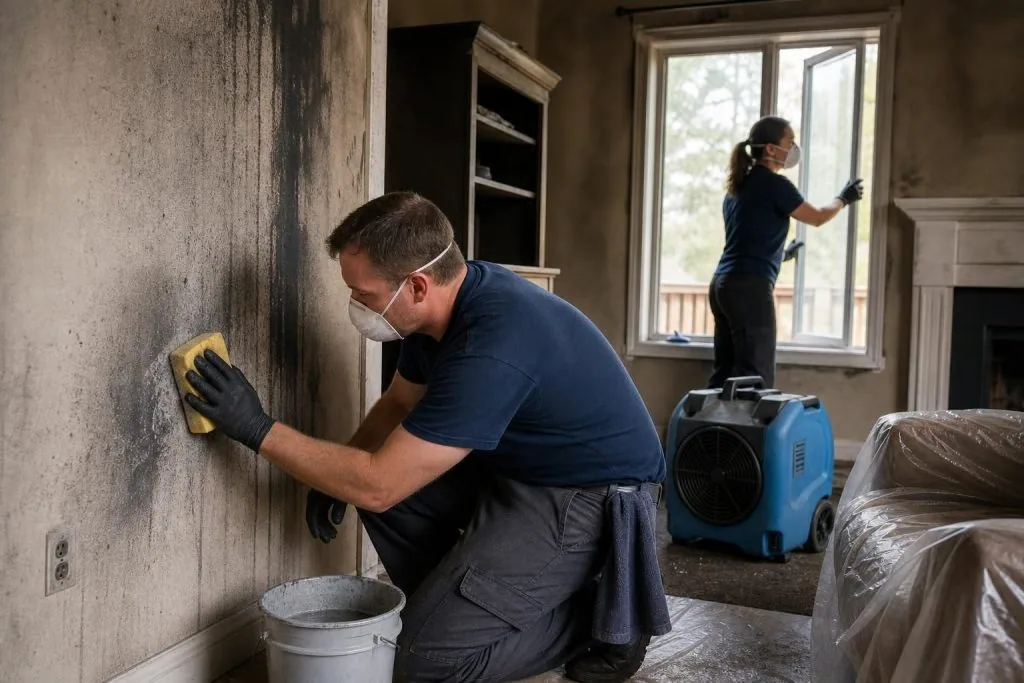
Smoke smell after a house fire usually comes from tiny soot and odor particles that settle into fabric, wood, drywall, carpet, cabinets, and heating or cooling ducts. So the fastest way to reduce it isn’t just spraying a room or wiping what you can see. You need to ventilate, clean the right materials, and check […]