Knowing what to do when toilet overflows can save your floors, keep odors from spreading, and reduce the chance of mold or lingering contamination. An overflow can happen from a clog, a blocked vent, or even a malfunctioning toilet component that keeps refilling. The right response depends on how much water is on the floor, whether it is clean or contaminated, and how quickly you can stop the flow. In this guide, you will learn the immediate steps to prevent more water from entering the bowl, how to assess the type of water involved, how to remove water and dry the area, and when cleanup is a do it yourself job versus a professional call.
- Stop more water from entering the bowl before you touch the mess
- Treat overflow water as contaminated unless you are sure it is clean
- Keep water out of adjacent rooms by blocking thresholds and lifting items
- Remove water quickly, then dry aggressively to prevent swelling and odor
- Clean and disinfect in the right order so you do not spread contamination
- Document damage early in case insurance becomes relevant
Quick steps to take immediately
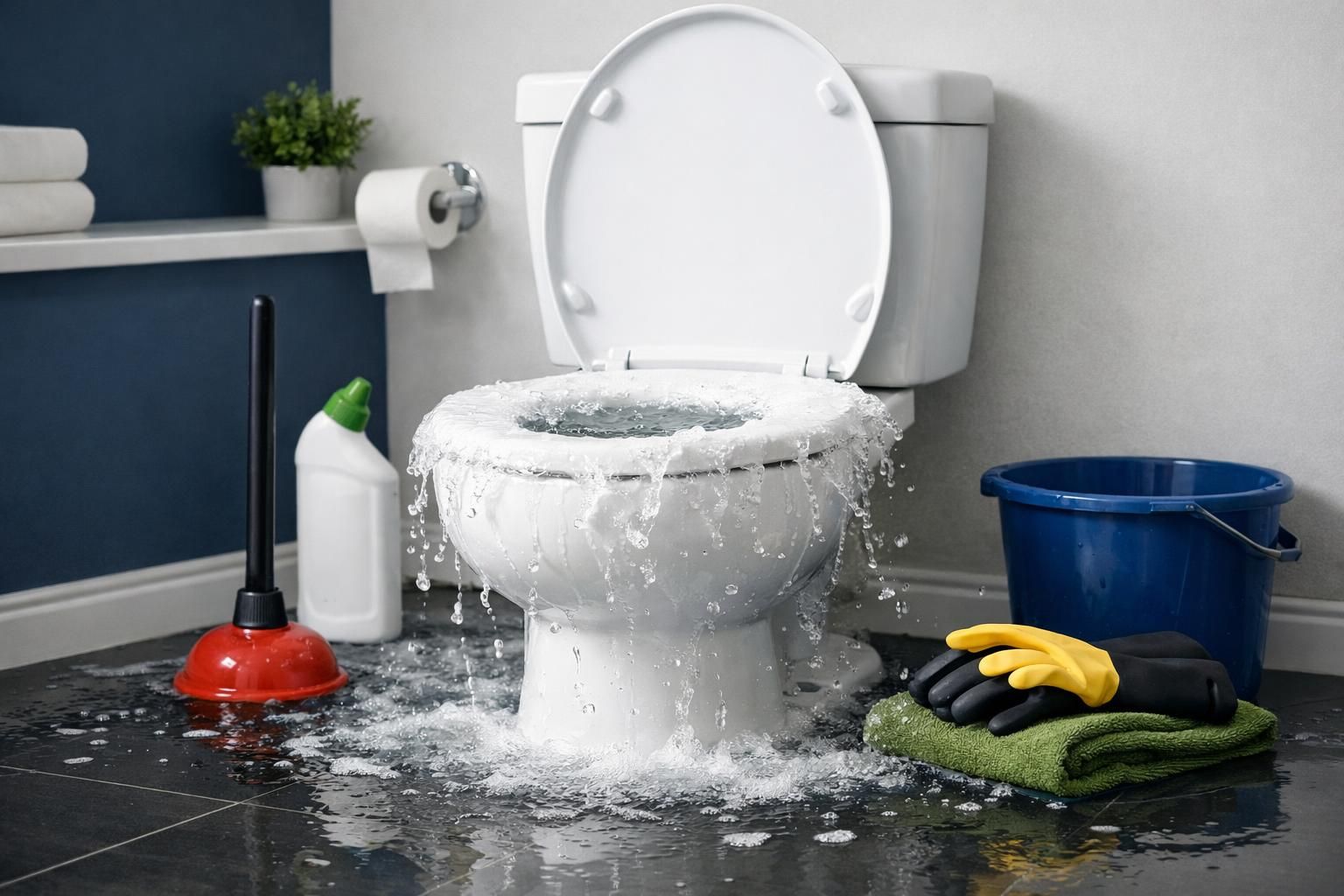
A toilet overflow is stressful, but the first minute matters most. Your priorities are to stop the flow, protect people and pets, and prevent water from spreading to nearby rooms. Move children and pets away from the bathroom, and avoid walking through standing water. If the water is near electrical outlets, cords, or a bathroom heater, keep clear and turn off power to that area if you can do so safely.
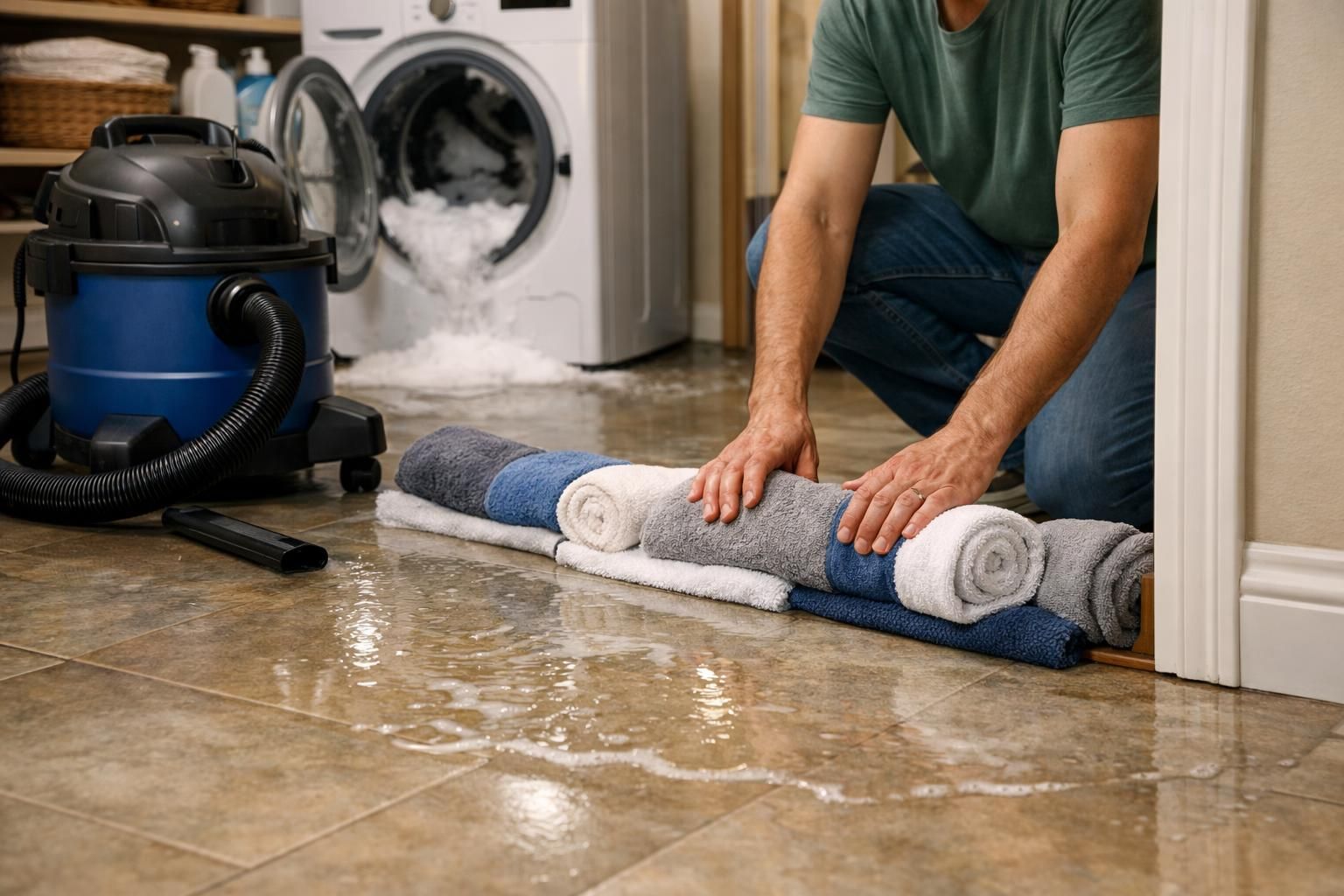
Next, keep the situation from getting worse. If the toilet is still running or the bowl level is rising, you need to interrupt the refill process right away. Grab towels to create a quick barrier at the bathroom door and around the toilet base. If you have disposable gloves, put them on before handling wet items. Even if the water looks clear, it may still contain bacteria from the bowl.
Is it clean water or contaminated water (and why it matters)
Not all overflow water is the same, and your cleanup approach depends on what came out of the toilet and where it came from. If the overflow happens during a fresh refill and the water never mixed with waste, it can be closer to clean water. In real life, that is hard to guarantee because the bowl and trap contain microbes even when they look clean. For safety, it is smart to treat most toilet overflow situations as potentially contaminated.
A toilet overflow is stressful, but the first minute matters most. Your priorities are to stop the flow, protect people and pets, and prevent water from spreading to nearby rooms through emergency water damage restoration. Move children and pets away from the bathroom, and avoid walking through standing water. If the water is near electrical outlets, cords, or a bathroom heater, keep clear and turn off power to that area if you can do so safely.
Contaminated water affects what you can reasonably salvage. It also changes how carefully you should protect yourself during toilet overflow cleanup. Wear gloves, consider eye protection, and keep porous items like bath mats, cardboard, and unsealed wood away from the water. If the overflow includes visible waste, strong odor, or repeated backups after you clean, that is a sign to escalate your response. The goal is not only to remove water, but to make the area sanitary again without spreading contamination to other rooms.
Stop the overflow and protect nearby rooms
Once you have assessed the situation, focus on containment. Water spreads quickly along grout lines, under baseboards, and through seams in vinyl or laminate flooring. Shut the bathroom door if possible, but do not trap yourself without a way to exit safely. Place towels at the threshold and press them down to reduce seepage, replacing them as they become saturated.
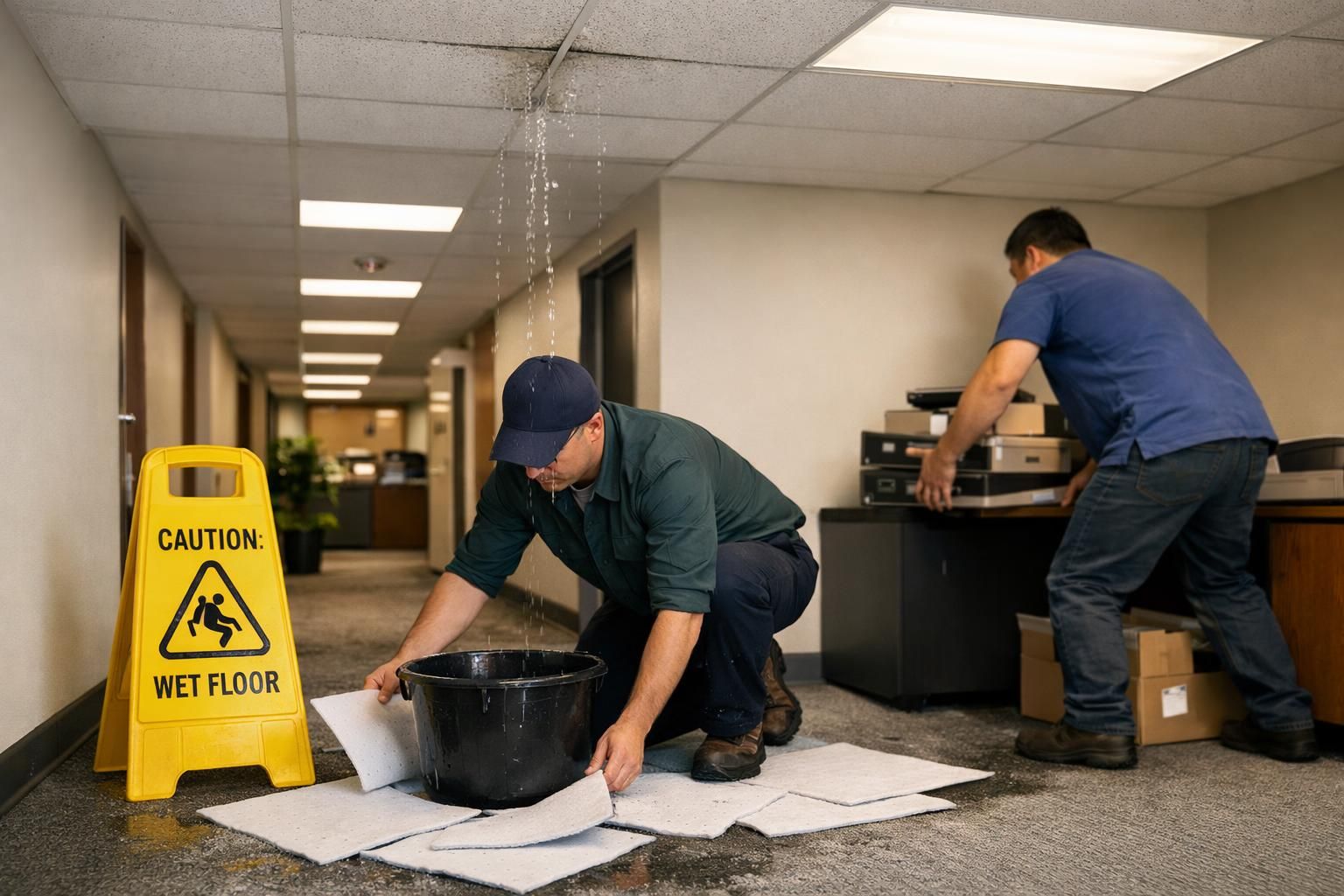
Protect nearby rooms by lifting items off the floor and removing anything absorbent from the bathroom. Pick up bath rugs, spare toilet paper, and storage bins. If the overflow reached a hallway carpet, step carefully and start blotting right away to prevent wicking deeper into the pad. If you are in an upstairs bathroom, also pay attention to the ceiling below for early signs of leakage, such as damp spots or discoloration.
Not all overflow water is the same, and your cleanup approach depends on what came out of the toilet and where it came from. If the overflow happens during a fresh refill and the water never mixed with waste, it can be closer to clean water. In real life, that is hard to guarantee because the bowl and trap contain microbes even when they look clean. For safety, it is smart to treat most toilet overflow situations as potentially contaminated and to understand how to stop water damage from spreading.
Shut off the toilet supply valve and stop refilling
The fastest way to stop a rising bowl is to stop the refill water. Look behind the toilet for the small shutoff valve, usually on the wall or floor. Turn it clockwise until it stops. If it is stuck, do not force it hard enough to break it, but apply steady pressure. Once the valve is closed, the toilet should stop adding water to the tank and bowl.
If you cannot turn the valve, remove the toilet tank lid and lift the float to stop the fill temporarily. Some toilets use a float ball on an arm, others use a vertical float cup. Holding it up can pause refilling while you figure out the valve. As a last resort, you can shut off the main water supply to the home, especially if the toilet is continuously running and you cannot safely control it at the fixture.
Clear the blockage safely (or stop and call a plumber)
After the water is no longer rising, you can decide whether to attempt clearing the clog. A plunger designed for toilets, with a flange that fits into the drain opening, is typically the safest first tool. Add enough water to cover the plunger cup for a good seal, plunge with steady force, and avoid splashing. If you have used chemical drain cleaners in the toilet, do not plunge because splashes can be hazardous.
If plunging does not work, a toilet auger is often the next step. Feed it carefully to avoid scratching the porcelain, and retract slowly. Stop if you feel hard resistance that does not give. Repeated overflows, gurgling in nearby fixtures, or water backing up in a shower or tub can indicate a larger drain line issue. In that case, it is safer to stop and call a plumber rather than forcing it and creating a bigger mess.
Remove water fast and start drying
Once you have assessed the situation, focus on containment. Water spreads quickly along grout lines, under baseboards, and through seams in vinyl or laminate flooring, making water damage restoration essential. Shut the bathroom door if possible, but do not trap yourself without a way to exit safely. Place towels at the threshold and press them down to reduce seepage, replacing them as they become saturated.
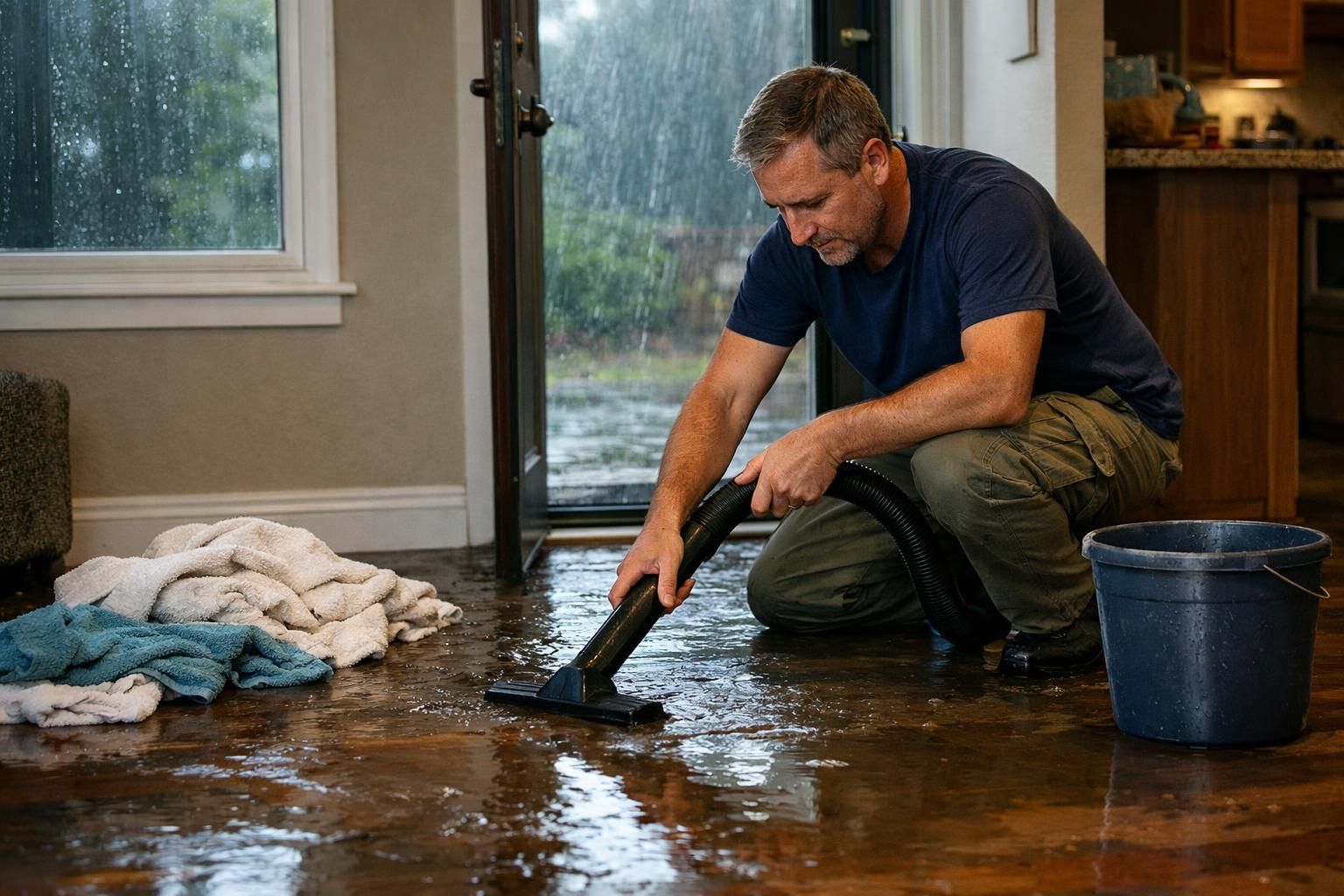
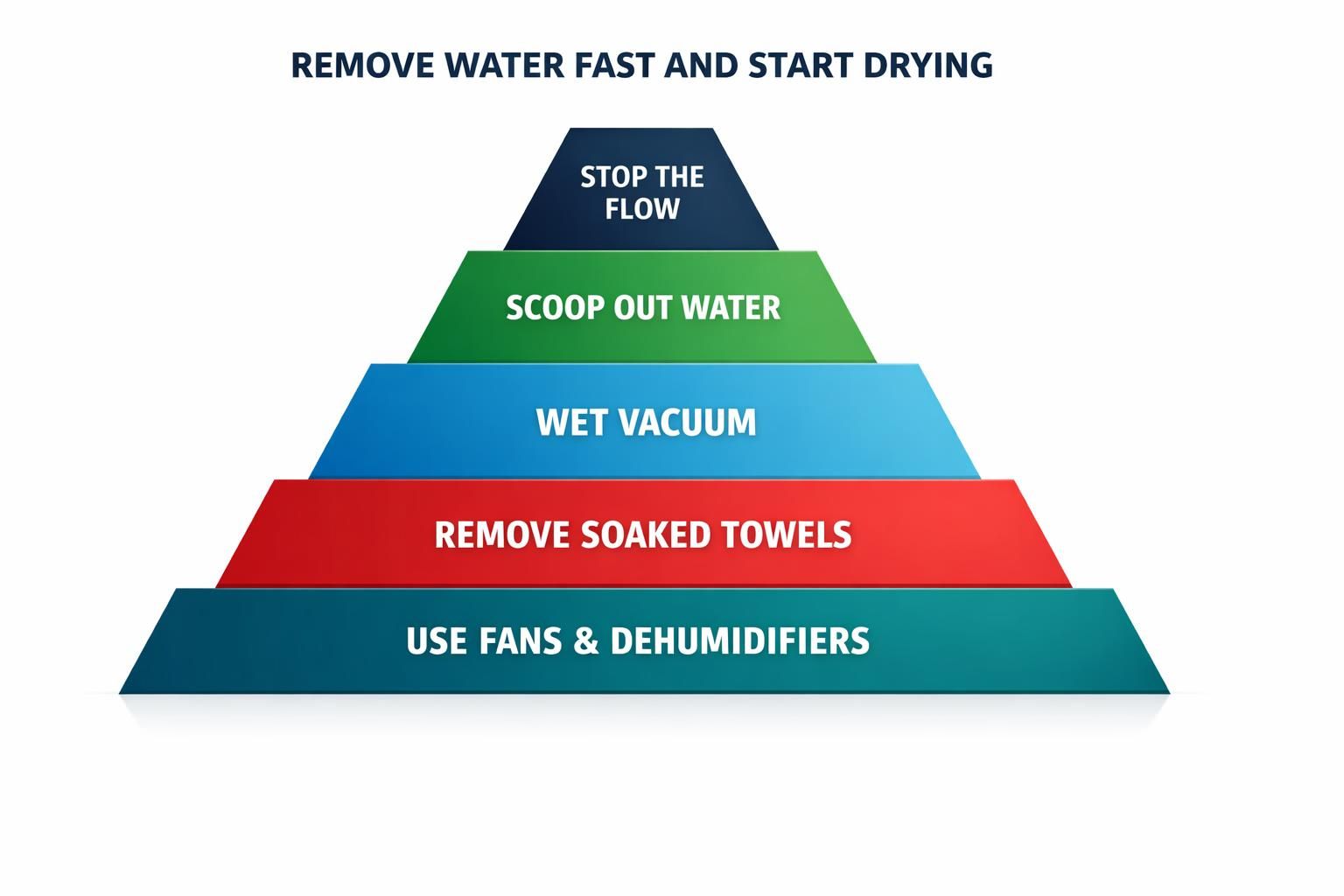
Even when the toilet overflow is small, time is your enemy. The faster you remove standing water, the less likely it is to soak into flooring seams and under baseboards. Start by soaking up water with towels, pressing down rather than wiping, then wring into a bucket. If you have a wet dry vacuum, use it to extract water from hard floors and from carpeted edges near the bathroom.
After bulk water removal, focus on drying. Open windows if weather permits and run the bathroom exhaust fan. Use a portable fan aimed across the floor surface to increase evaporation, and consider a dehumidifier if the room stays humid. Remove items that can dry elsewhere, such as trash cans, a toilet brush holder, or small storage containers. Drying is not just about comfort. It helps prevent odors, warping, and microbial growth in hidden areas.
Cleaning and disinfection basics (surfaces, baseboards, flooring)
Cleaning and disinfection work best when you separate the steps. First, clean by removing visible soil and residue using soap and water or a general household cleaner. This step matters because disinfectants work poorly through grime. Work from cleaner areas to dirtier areas so you do not spread contamination. Change rags often and avoid reusing a dirty mop head across the whole room.
Then disinfect the affected surfaces, following the product label for contact time and ventilation. Pay special attention to the toilet base, the floor around it, and the lower portions of cabinets or vanity sides that may have been splashed. For tight edges and corners, disposable wipes can help you control where the mess goes.
Areas to prioritize during toilet overflow cleanup:
- Floor surface, including grout lines and seams
- Baseboards and the wall surface just above the floor
- Toilet exterior, especially around the base and behind the bowl
- Bottom edges of cabinets, vanity toe kicks, and nearby trim
- Door threshold and any flooring transition strips
Different flooring types need different care. Tile and sealed vinyl are generally more forgiving, but water can still migrate under them. Laminate and unsealed wood can swell at seams, so prompt drying and monitoring are important. If you have carpet near the bathroom, treat it as higher risk because it holds moisture and can trap contaminants.
What materials usually need replacement (pad, baseboards, drywall)
Whether something must be replaced depends on how much water got in, how long it stayed wet, and whether contamination was involved. Porous materials absorb water and are harder to sanitize thoroughly. Carpet pad is a common casualty because it acts like a sponge and can stay wet even when the surface feels dry. If the overflow reached carpeted areas, lifting the carpet edge and checking the pad can reveal hidden saturation.
Baseboards and drywall can also wick moisture upward. Painted drywall close to the floor may soften, swell, or crumble. Wood baseboards can warp, and MDF baseboards tend to swell quickly when wet. If contaminated water was involved, replacement becomes more likely because sanitizing porous materials is difficult. A practical approach is to remove and replace damaged sections rather than trapping moisture and odor behind paint or trim.
When to call water damage restoration or a biohazard pro
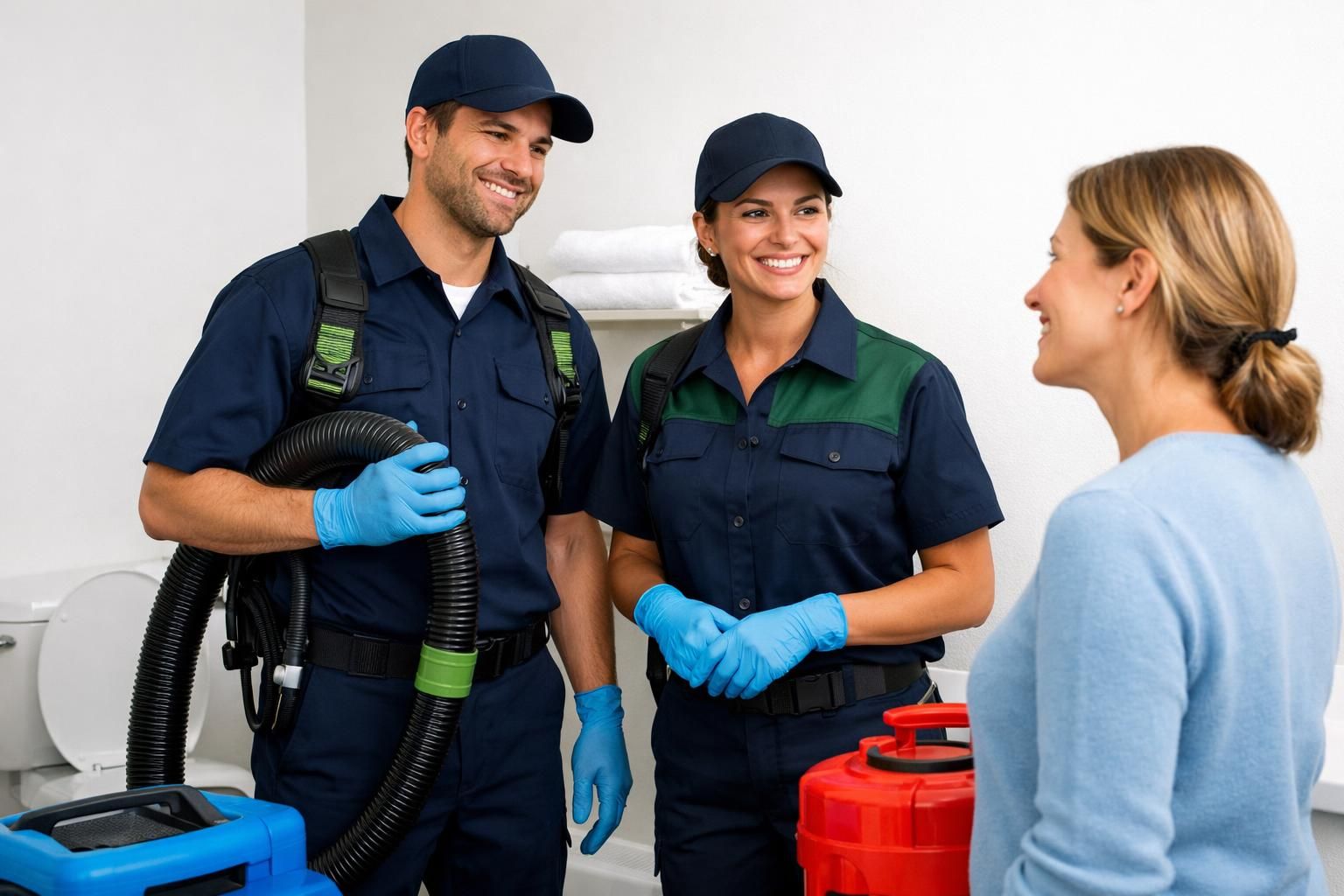
Sometimes the safest and most cost effective choice is professional help. Consider calling a water damage restoration company if water spread beyond a small bathroom area, soaked into multiple rooms, or reached ceilings below. Professionals have extraction tools and drying equipment that can pull moisture from hidden cavities, which is hard to do with household fans alone.
A biohazard specialist may be appropriate if the overflow included sewage, repeated backups, or a large volume of water that sat for an extended period. Strong odor, visible waste, and persistent dampness are red flags. If anyone in the household is immunocompromised, it is also reasonable to be more cautious and bring in help sooner. When you are unsure what to do if toilet overflows and keeps backing up, a plumber addresses the cause, while restoration addresses the damage and sanitation.
A biohazard specialist may be appropriate if the overflow included sewage, repeated backups, or a large volume of water that sat for an extended period. Strong odor, visible waste, and persistent dampness are red flags. If anyone in the household is immunocompromised, it is also reasonable to be more cautious and bring in help sooner. When you are unsure what to do after a water leak in the wall if toilet overflows and keeps backing up, a plumber addresses the cause, while restoration addresses the damage and sanitation.
What to document for insurance
If damage extends beyond a quick mop up, documentation helps you make decisions and supports any insurance conversation. Start by taking clear photos and short videos before you move too much, capturing the toilet area, flooring edges, baseboards, and any water that reached adjacent rooms. Then photograph the same areas after you have contained the water, so there is a record of both the initial severity and the mitigation steps you took.
If damage extends beyond a quick mop up, documentation helps you make decisions and supports any insurance conversation. Start by taking clear photos and short videos before you move too much, capturing the toilet area, flooring edges, baseboards, and any water that reached adjacent rooms. Then photograph the same areas after you have contained the water and turned off electricity, so there is a record of both the initial severity and the mitigation steps you took.
Keep notes on what happened and what you did. Write down when the toilet overflow occurred, what actions you took to stop it, and any professional calls you made. Save receipts for supplies and services, including towels you had to replace, cleaning products, equipment rentals, or plumber invoices. If you remove damaged materials like carpet pad or baseboards, take photos during removal to show wetness and staining. This record helps create a timeline and reduces guesswork later.
Conclusion
An overflow is messy, but a calm plan makes it manageable. The core steps are to stop the refill, contain the spread, clear the clog safely, and move quickly on drying and sanitation. Treat most situations as potentially contaminated, and be realistic about what porous materials can be cleaned versus what should be replaced. If the overflow repeats, spreads into multiple rooms, or includes sewage, it is worth bringing in a plumber and possibly restoration support. With the right response, what to do when toilet overflows becomes a straightforward checklist instead of a panic, and your home can return to clean and dry faster.