A washing machine overflow can go from a small puddle to a wide, hidden mess fast, especially when water tracks under flooring, behind baseboards, and into nearby rooms. This guide to washing machine overflow water damage cleanup walks you through what to do first, how to stop the source, and how to dry the area thoroughly so you do not end up with lingering odors, warped materials, or mold. You will also learn what to inspect in adjacent spaces, which items are often salvageable, and when the situation is big enough to bring in a restoration professional. Move quickly but methodically, focusing on safety, containment, extraction, and drying.
- Shut off the washer and stop the water source before focusing on cleanup
- Treat electricity and slippery floors as the top immediate hazards
- Remove standing water quickly, then protect walls, flooring edges, and nearby contents
- Check for water migration under floors and into adjacent rooms or the level below
- Dry thoroughly with airflow and dehumidification to prevent hidden damage and mold
- Document everything early in case an insurance claim is needed
Quick steps to take immediately
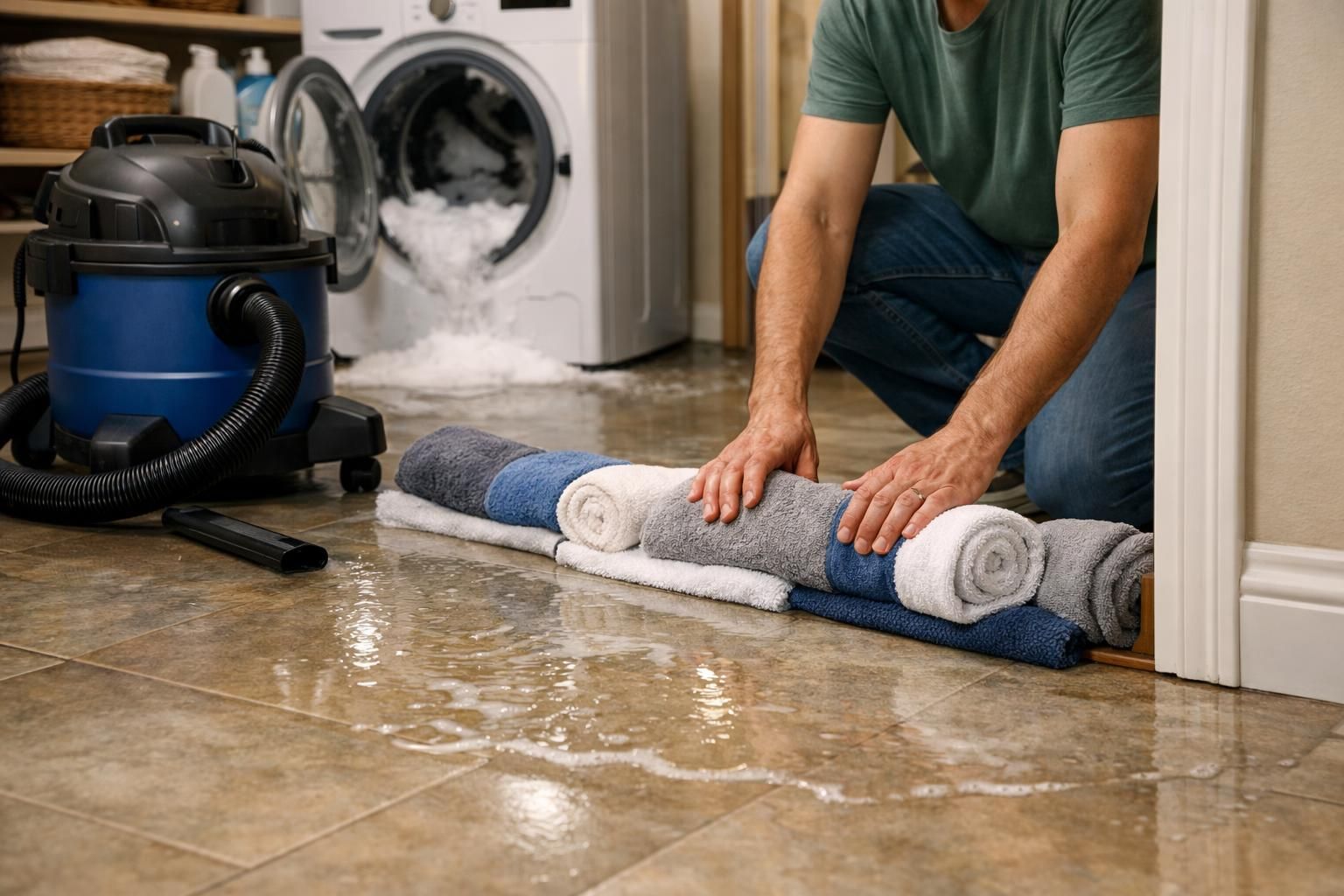
Start by stopping the cycle and preventing more water from entering the space. If the washer is still running, pause or cancel it, then assess whether the overflow is coming from supply lines, the drain, or an internal issue like a clogged pump filter. If water is actively spreading, place towels at door thresholds and low spots to slow migration while you work on shutting off the source.
Next, move items that can be damaged by moisture. Laundry baskets, cardboard boxes, rugs, and anything stored on the floor should be relocated to a dry area. If you can do so safely, lift furniture legs onto small blocks or folded towels to keep them out of pooled water. The sooner you reduce contact time between water and materials, the better the chances of avoiding permanent swelling, staining, and odors.
Safety first: electricity and slipping hazards
Water and electricity are a dangerous combination in laundry areas where outlets, power strips, and appliances are often close to the floor. Avoid stepping into water if you suspect it could be energized by an appliance, outlet, or extension cord. If the leak is substantial or reaches electrical connections, shut off power at the breaker for the laundry circuit before you touch wet equipment, unplug anything, or move the washer.
Slipping is the next major risk. Hard floors become slick quickly, and wet socks make it worse. Wear shoes with grip if you have them, and keep a clear path so you are not carrying wet items through puddles. If the laundry area is tight, work in stages: stop the source, create traction with towels where you must step, then extract water. Safety-first decisions also help you avoid making the washing machine overflow water damage worse through accidental falls or broken fixtures.
Slipping is the next major risk. Hard floors become slick quickly, and wet socks make it worse. Wear shoes with grip if you have them, and keep a clear path so you are not carrying wet items through puddles. If the laundry area is tight, work in stages: stop the source, create traction with towels where you must step, then extract water. Safety-first decisions also help you avoid making the washing machine overflow water damage worse through accidental falls or broken fixtures, including whether you should turn off electricity after a water leak.
Slipping is the next major risk. Hard floors become slick quickly, and wet socks make it worse. Wear shoes with grip if you have them, and keep a clear path so you are not carrying wet items through puddles. If the laundry area is tight, work in stages: stop the source, create traction with towels where you must step, then extract water. Safety-first decisions also help you avoid making the washing machine overflow water damage worse through accidental falls or broken fixtures, including whether to turn off electricity after a water leak.
Stop the washer leak (valves, hoses, drain standpipe)
Once the immediate hazards are managed, stop the water at its source. Turn the washer off, then close the hot and cold supply valves at the wall. If the valves are stiff, apply steady pressure rather than forcing them abruptly. If a hose is visibly ruptured or spraying, closing the valves usually stops the flow right away. If the leak is coming from the washer itself, shutting off the supply still prevents additional filling during troubleshooting.
Then check the most common overflow paths. Inspect the supply hoses for bulges, cracks, loose fittings, or corrosion at the connectors. Look at the drain hose where it enters the standpipe or laundry sink; a dislodged drain hose can dump a full tub quickly. If the water damage washing machine overflowing scenario occurred during drain and spin, suspect a clogged standpipe, partial blockage, or poor hose positioning. The drain hose should be secured and inserted correctly, but not so tightly that it seals the pipe and causes backup.
Remove water and protect nearby materials
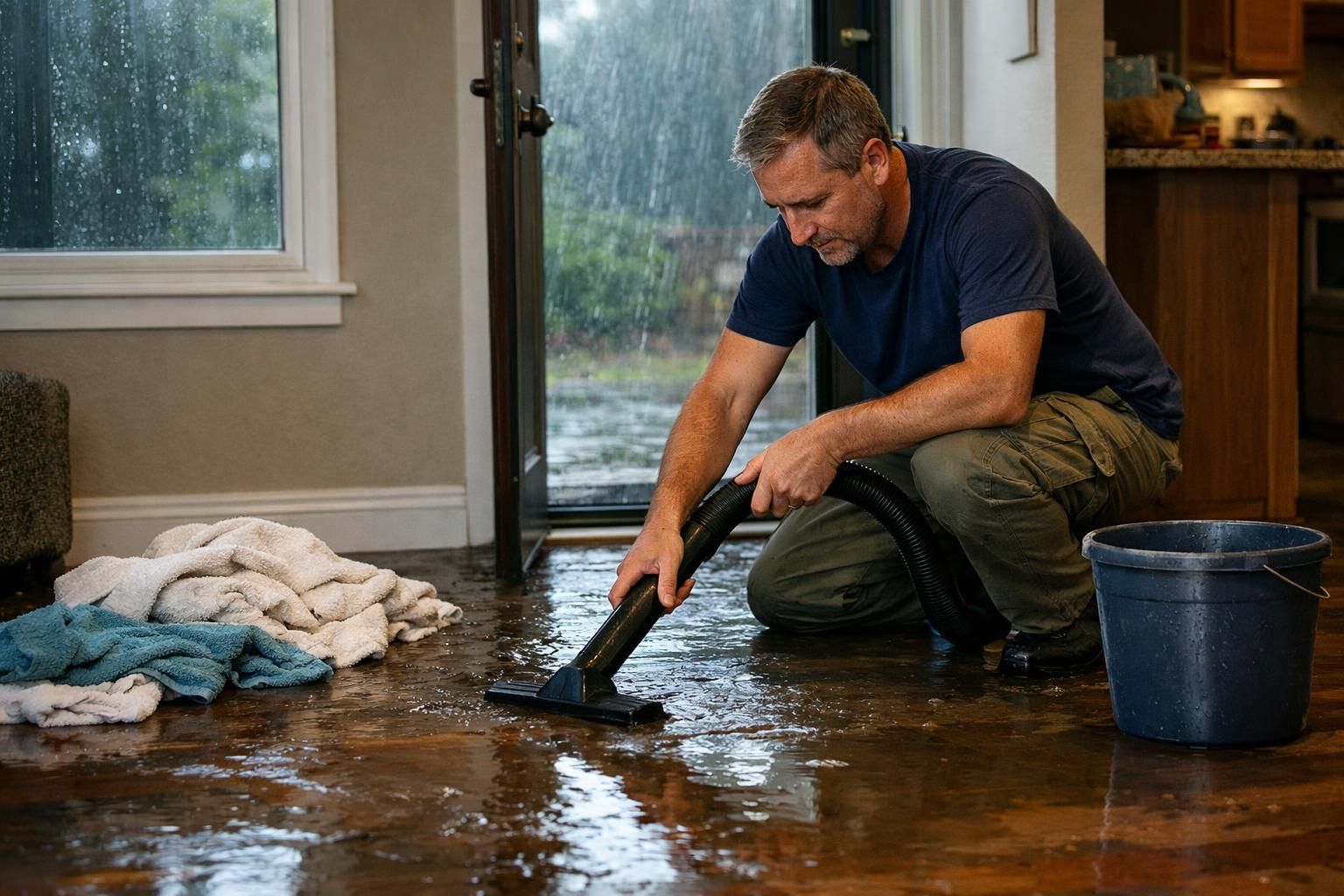
After the source is controlled, remove standing water as quickly as possible. Use towels, a wet/dry vacuum, or a pump if you have one. Work from the outer edges toward the center so you do not push water farther into seams and under walls. If the water is on tile or vinyl, pay attention to edges, transitions, and any gaps where water can slip underneath and become trapped.
Once the bulk water is gone, protect surrounding materials that wick moisture. Dry the base of walls, cabinet sides, and door casings. If you have area rugs nearby, lift and remove them; a wet rug can hold a surprising amount of water and keep the floor damp even after it looks dry. Helpful items to stage nearby include:
Once the bulk water is gone, protect surrounding materials that wick moisture. Dry the base of walls, cabinet sides, and door casings. A wet rug can hold a surprising amount of water and keep the floor damp even after it looks dry, making emergency water extraction necessary. Helpful items to stage nearby include:
- Towels and microfiber cloths for repeated wiping
- A wet/dry vacuum for seams and corners
- Fans to move air across wet surfaces
- A dehumidifier to pull moisture from the air and materials
- Plastic bins or racks to get items off the floor while drying continues
Check for water migration to adjacent rooms and below
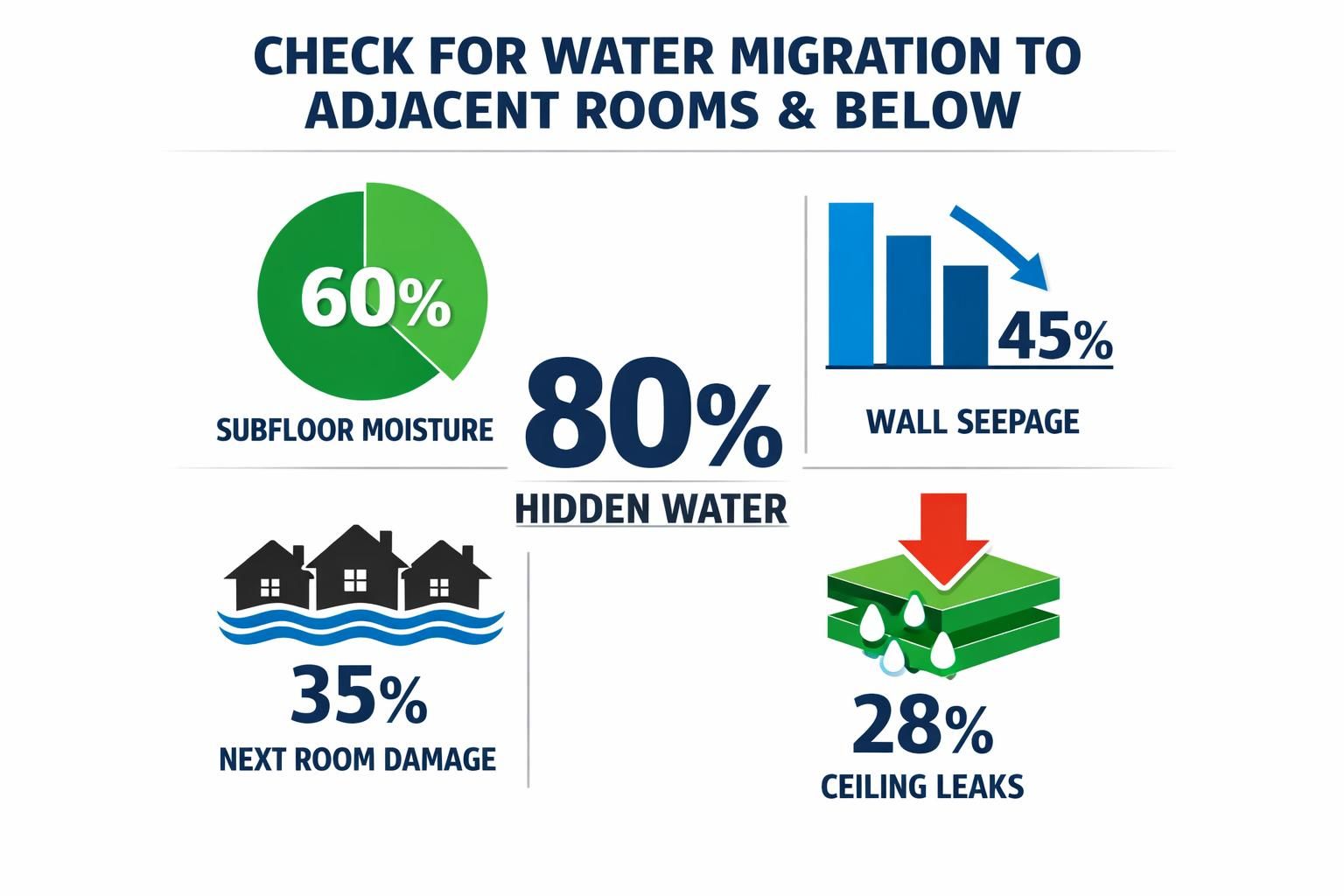
Washing machine overflow water damage often spreads beyond the laundry footprint, especially when the floor is not perfectly level or when water finds a seam near a doorway. Check the next room first, focusing on shared walls and transitions. Feel carpet edges, inspect baseboards for dampness, and look for slight discoloration or bubbling paint. Even if the neighboring room looks fine, moisture can travel under floating floors or pad and show up later as odor or swelling.
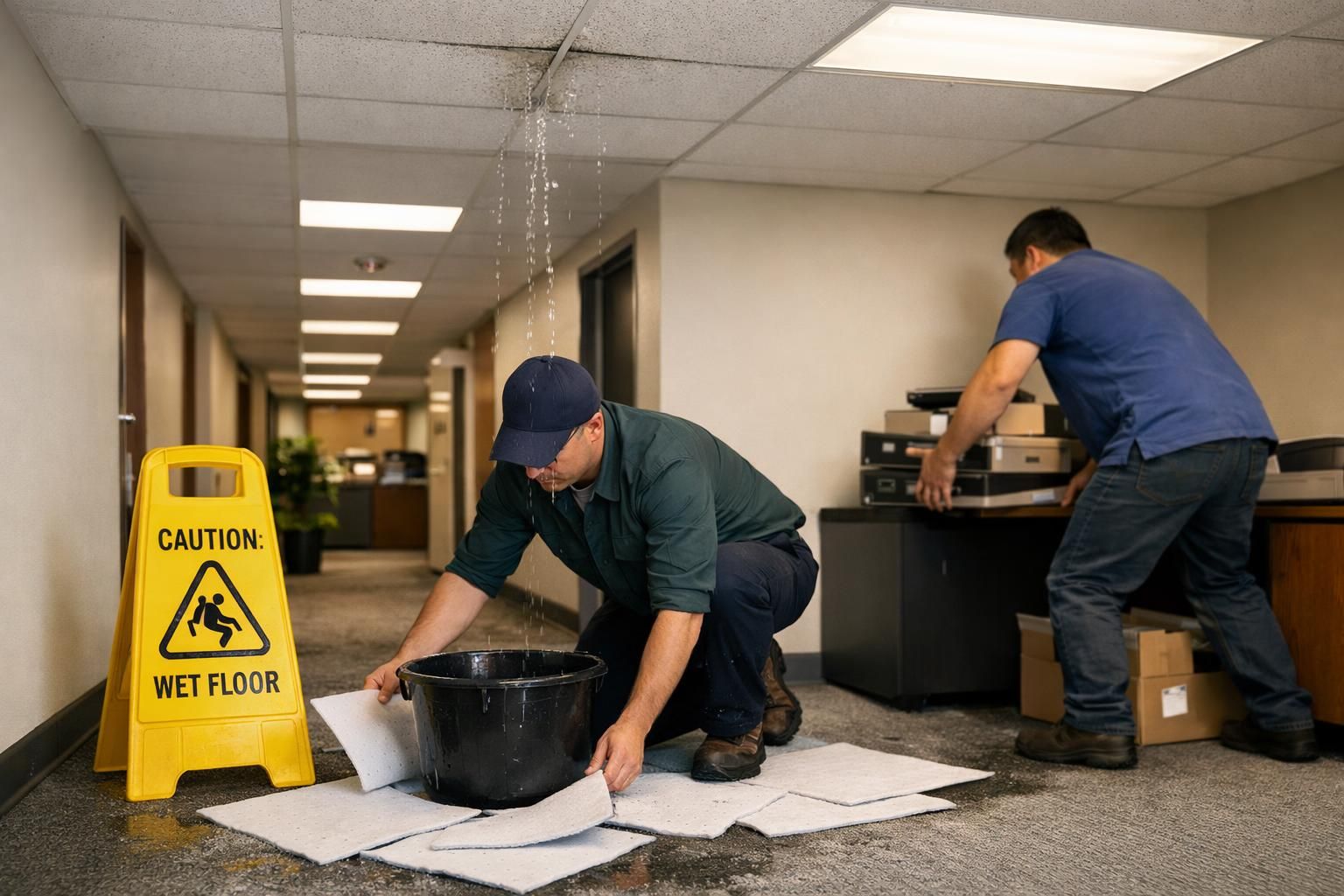
If the laundry is on an upper floor, investigate the level below. Look at ceilings under the laundry area for new stains, sagging drywall, or damp light fixtures. Check inside closets that share the wall, because water can run along framing and appear away from the original leak. Catching migration early can reduce the scope of washing machine overflow water damage cleanup by preventing trapped moisture that leads to warping and microbial growth.
Drying steps to prevent hidden damage and mold
Drying is not just waiting for surfaces to feel dry. The goal is to remove moisture from materials and the air so hidden cavities do not stay damp. Start by increasing airflow: run fans to move air across the floor and toward the dampest zones, and open interior doors to promote circulation. If outdoor humidity is low, you can vent by opening windows; if it is humid, rely more on dehumidification and conditioned air.
Use a dehumidifier as soon as practical, especially in enclosed laundry rooms. Keep it running continuously and empty the tank as needed. Rotate fans and re-check corners, under appliances, and along edges where water collects. In many cases of washing machine overflow water damage, the floor dries first while the wall base and subfloor remain damp. Continue drying until there is no sign of dampness, odor, or cool spots that suggest moisture is still present.
What to check behind cabinets, under flooring, and in walls
Laundry rooms often include base cabinets, shelving, or built-in storage that hides damp areas. Inspect the cabinet toe kick area, the bottom of side panels, and any gaps where water could have entered. If materials feel swollen, spongy, or smell musty, moisture is likely trapped behind or under them. Also check the washer’s footprint; water can sit under the machine and slow drying unless you pull the unit out carefully.
Under flooring is another common hiding place. Floating floors, laminate, and some vinyl products can trap water at seams and underlayment. If you notice buckling, soft spots, or lifted edges, assume water is underneath. In walls, focus on the first 6 to 12 inches above the floor where drywall and insulation can wick moisture. Signs include baseboard swelling, peeling paint, or a damp smell near outlets. When in doubt, controlled access and thorough drying beats hoping it will “air out” on its own.
When to remove baseboards, toe kicks, or flooring edges
Selective removal can dramatically improve drying by letting air reach damp cavities. Consider removing baseboards if the wall base is wet, the baseboard is swollen, or water clearly ran along the wall. Removing toe kicks under cabinets can also help you see and dry the void behind them. If you do remove trim, label pieces so they go back in the right places, and store them flat to reduce warping.
For flooring, lifting an edge or transition strip may be warranted when water has migrated underneath and the floor is showing deformation. The goal is to create a vent point for airflow and dehumidification, not to dismantle more than necessary. If the subfloor feels soft, smells musty, or stays cool and damp after extended drying efforts, it may indicate deeper saturation. In those cases, more extensive removal and drying methods may be needed to prevent long-term damage.
For flooring, lifting an edge or transition strip may be warranted when water has migrated underneath and the floor is showing deformation. The goal is to create a vent point for airflow and dehumidification, not to dismantle more than necessary. If the subfloor feels soft, smells musty, or stays cool and damp after extended drying efforts, it may indicate deeper saturation, which highlights the importance of knowing how to dry a room after a water leak. In those cases, more extensive removal and drying methods may be needed to prevent long-term damage.
What materials are usually salvageable vs replaceable
Salvageability depends on how long materials stayed wet, how porous they are, and whether water became contaminated. Non-porous surfaces like tile, sealed concrete, and many metals are often cleanable and dryable if addressed quickly. Solid wood may be salvageable if dried evenly, though it can warp if one side dries faster than the other. Some cabinetry can recover if only lightly wet at the base and dried promptly.
Salvageability depends on how long materials stayed wet, how porous they are, and whether water became contaminated. Non-porous surfaces like tile, sealed concrete, and many metals are often cleanable and dryable if addressed quickly. Solid wood may be salvageable if dried evenly, though it can warp if one side dries faster than the other. Some cabinetry can recover if only lightly wet at the base and dried promptly, especially with proper dishwasher leak water damage cleanup.
More often replaceable materials include swollen MDF or particleboard, especially at cabinet bases and trim, because they tend to expand and crumble after saturation. Carpet padding can hold moisture and odor, and may need replacement even if carpet fibers can be cleaned. Laminate flooring commonly swells at seams after water intrusion. Drywall that is wet for an extended period, soft, or crumbling usually needs removal to allow the wall cavity to dry properly and to reduce the risk of mold.
When to call a restoration pro

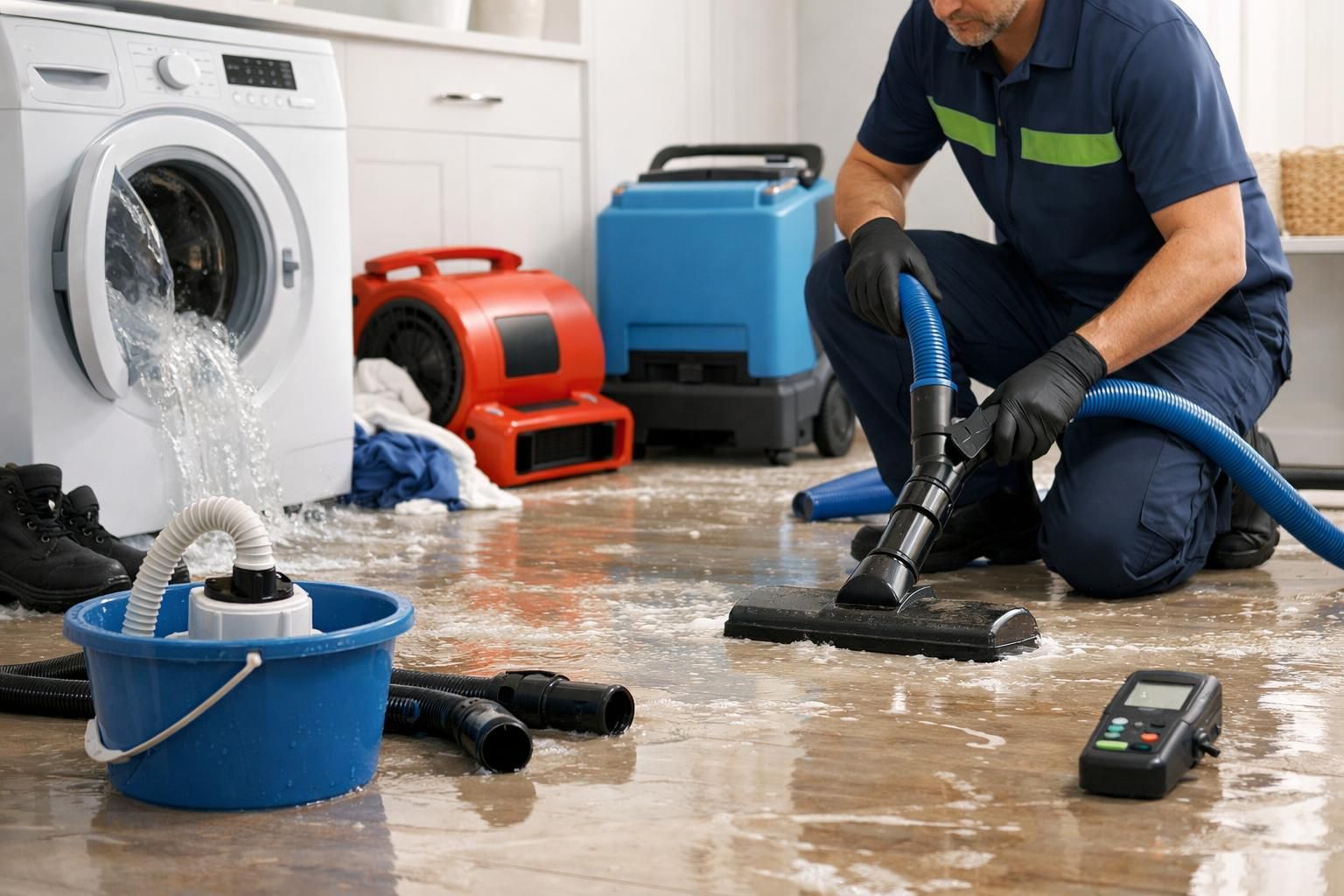
Call a restoration professional when water spread into multiple rooms, reached the level below, or soaked into walls and floors where you cannot access the wet materials. You should also get help if power was compromised, if you see ceiling sagging, or if you notice persistent musty odors after drying efforts. Pros have specialized extraction tools, moisture detection equipment, and containment methods that can shorten drying time and reduce the chance of hidden problems.
Call a restoration professional when water spread into multiple rooms, reached the level below, or soaked into walls and floors where you cannot access the wet materials. You should also get help if power was compromised, if you see ceiling sagging, or if you notice persistent musty odors after drying efforts. Pros have specialized extraction tools, moisture detection equipment, and containment methods for effective water damage restoration that can shorten drying time and reduce the chance of hidden problems.
Call a restoration professional when water spread into multiple rooms, reached the level below, or soaked into walls and floors where you cannot access the wet materials. You should also get help if power was compromised, if you see ceiling sagging, or if you notice persistent musty odors after drying efforts. Pros have specialized extraction tools, moisture detection equipment, and containment methods for effective water damage restoration that can shorten drying time and reduce the chance of hidden problems.
Another reason to call is uncertainty. If you cannot identify why the water damage washing machine overflowing event occurred, a plumber or appliance technician may need to diagnose the source, while a restoration team handles drying. Quick professional involvement can also simplify documentation and help you avoid repeated wetting if the underlying drain or supply issue is not fully resolved.
Prevention tips to avoid the same leak again
Preventing repeat incidents starts with the simple habits: do not overload the washer, use the correct detergent type and amount, and make sure the machine is level so it drains properly. Regularly inspect supply hoses and replace them when they show wear, stiffness, or bulging. Ensure the drain hose is secured so it cannot whip out of the standpipe during discharge, and confirm the standpipe or laundry sink drains freely.
Consider practical upgrades that reduce risk. A drain pan under the washer can help contain minor leaks, and a water alarm can alert you early. Turning off supply valves when away for extended periods can prevent a small hose failure from becoming a major washing machine overflow water damage event. Periodically clean lint and debris from any accessible filters and check that the laundry room floor transitions and caulking are in good condition to limit migration paths.
What to document for insurance
Document early, before you discard damaged materials or start major removal. Take clear photos and videos of the water source area, the extent of spread, and any visible damage to floors, baseboards, walls, and contents. Capture wide shots that show the room layout, then close-ups of swelling, staining, and buckling. If water reached adjacent rooms or the level below, document those areas too.
Write down a simple timeline: when you discovered the overflow, what you did to stop it, and what drying steps you used. Keep receipts for equipment rentals, replacement materials, and any professional services. If you must throw away items, photograph them first and note what they were. Good documentation helps support the scope of washing machine overflow water damage cleanup and makes it easier to explain why certain materials needed removal versus drying in place.
Conclusion
Effective washing machine overflow water damage cleanup is about speed, safety, and thorough drying, not just mopping up what you can see. Shut off water and power as needed, stop the leak at valves, hoses, or the drain, then extract standing water and protect materials at floors and wall bases. Check adjacent rooms and the level below for migration, and dry with airflow and dehumidification long enough to remove hidden moisture. If damage spread widely, reached wall cavities, or you cannot confidently dry it all, bring in a restoration pro. Next step: fix the underlying cause and add simple prevention measures so the same overflow does not happen again.
Effective washing machine overflow water damage cleanup is about speed, safety, and thorough drying, not just mopping up what you can see. Shut off water and power as needed, stop the leak at valves, hoses, or the drain, then extract standing water and protect materials at floors and wall bases. Check adjacent rooms and the level below for migration, and dry with airflow and dehumidification long enough to remove hidden moisture. If damage spread widely, reached wall cavities, or you cannot confidently dry it all, bring in a restoration pro. Next step: fix the underlying cause and add simple prevention measures so the same overflow does not happen again to help stop water damage from spreading.
Effective washing machine overflow water damage cleanup is about speed, safety, and thorough drying, not just mopping up what you can see. Shut off water and power as needed, stop the leak at valves, hoses, or the drain, then extract standing water and protect materials at floors and wall bases. Check adjacent rooms and the level below for migration, and dry with airflow and dehumidification long enough to remove hidden moisture. If damage spread widely, reached wall cavities, or you cannot confidently dry it all, bring in a restoration pro. Next step: fix the underlying cause and add simple prevention measures so the same overflow does not happen again to prevent water damage from spreading.
Dry thoroughly with airflow and dehumidification to prevent hidden damage and mold, especially when learning how to dry a room after a water leak.