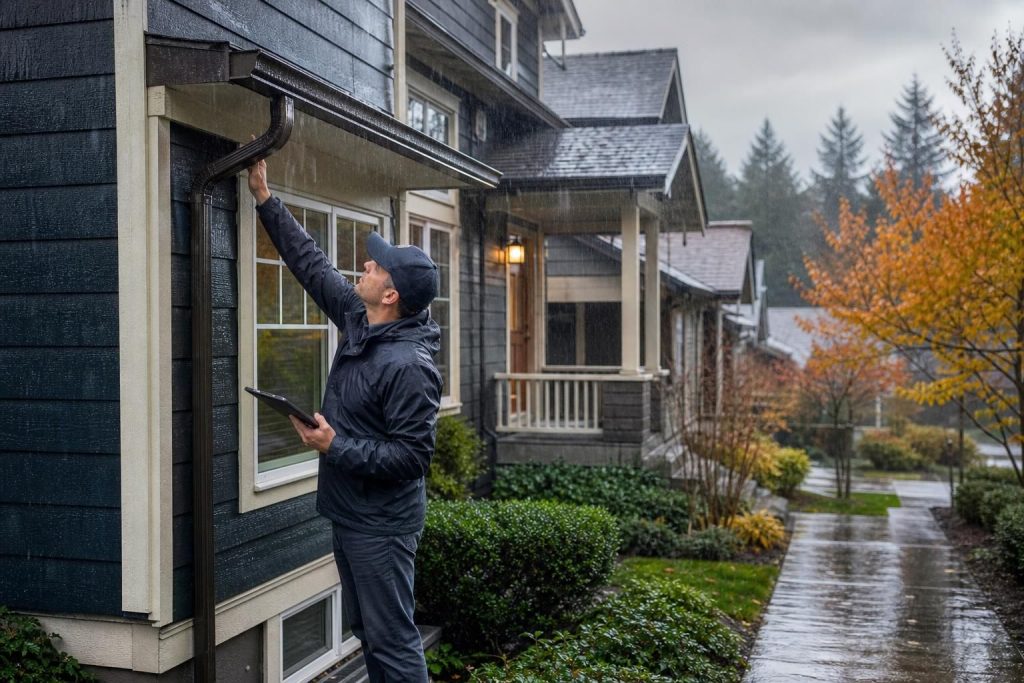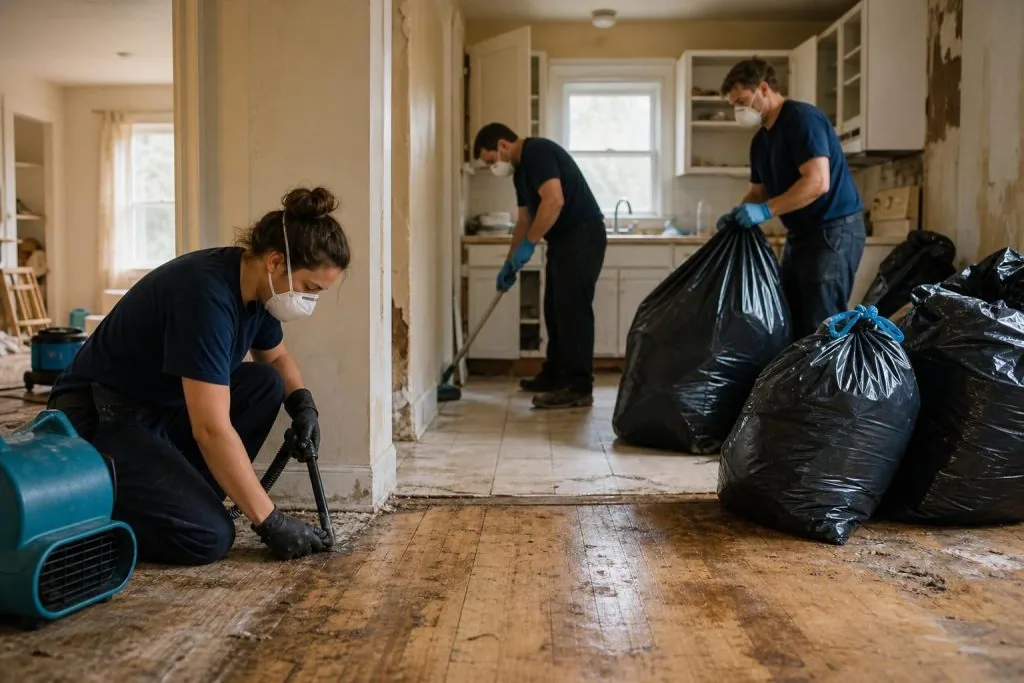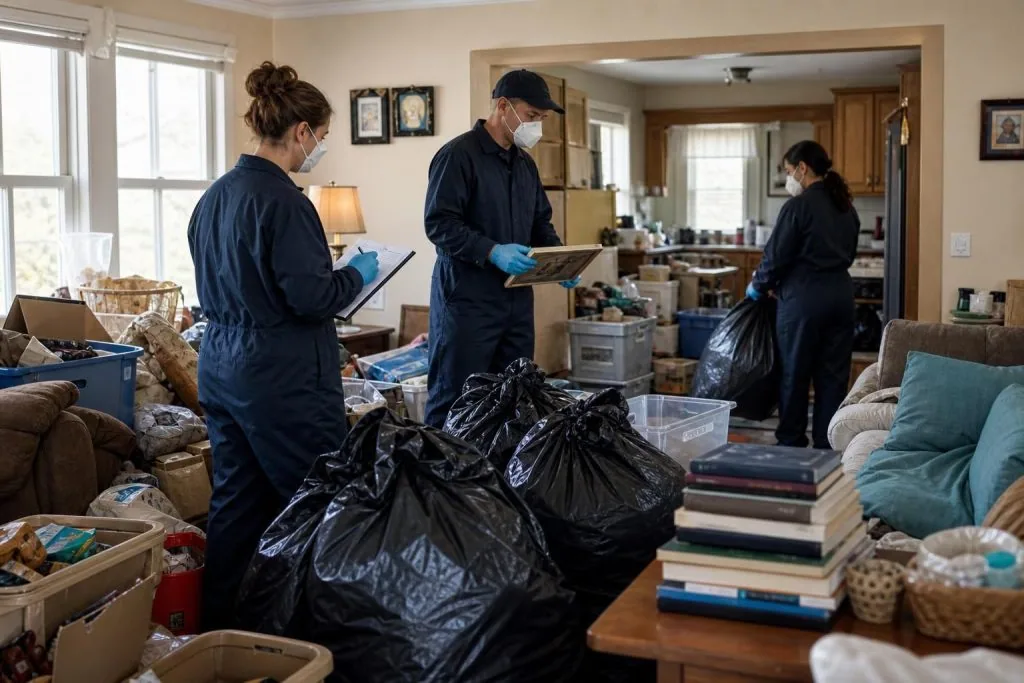

A musty smell near one wall, bubbling paint after a leak, or drywall that feels soft but shows no fuzzy growth can all point to mold behind drywall. It doesn’t prove mold is there, but it means moisture may be trapped in the wall cavity where you can’t see it.
Don’t cut the wall open right away. Check for repeat dampness, staining, swelling, peeling paint, and odor first. If signs persist after a plumbing leak, roof leak, or condensation problem, stop DIY work and plan an inspection before repairs. Mold remediation is different from basic /water-damage-wall-repair/ because the goal is to find and contain hidden growth, not just patch the surface.
Quick Summary
- Hidden mold behind walls often starts after leaks, condensation, or moisture that never fully dried.
- Strong warning signs include a musty smell behind wall areas, bubbling paint, warped drywall, stains, and recurring dampness.
- Drywall can look intact but still hide mold in the wall cavity.
- Painting over mold or covering it with new drywall traps the problem instead of fixing it.
- If you may disturb moldy material, containment matters, and professional /services/mold-remediation/ may be the safer next step.
Quick Answer
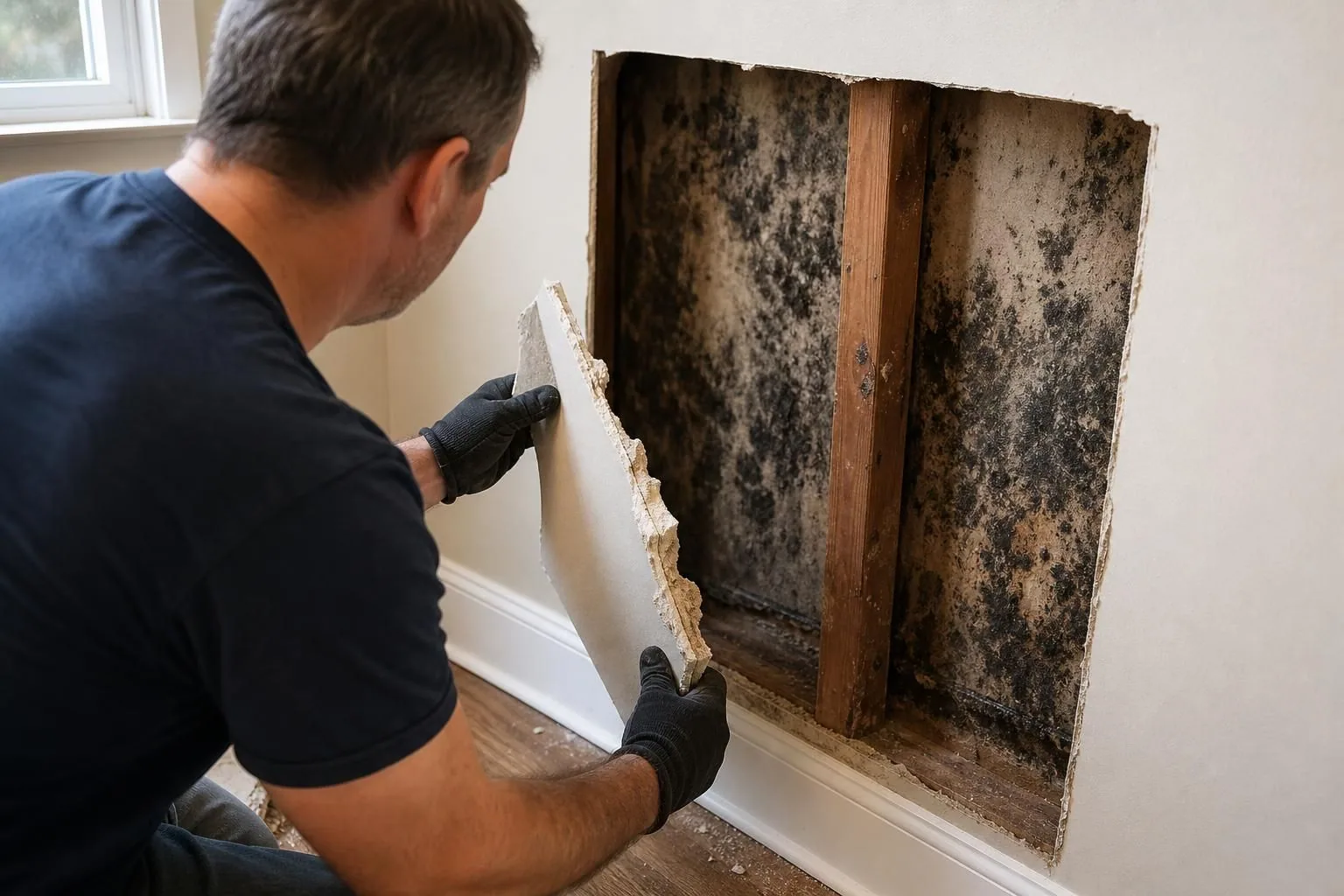
Mold behind drywall is most likely when moisture got into the wall and stayed there long enough for mold to grow unseen. Common clues include a musty smell near one wall, stains, bubbling or peeling paint, warped drywall, recurring dampness, or drywall that looks normal but feels soft or swollen near an old leak.
- Stop the moisture source first. Check for a plumbing leak, roof leak, window leak, or condensation problem.
- Don’t paint over it or cover it with new drywall. That traps moisture and can let mold keep spreading inside the wall cavity.
- Check the wall gently. Look for discoloration, swelling, loose paint, and damp baseboards. Don’t cut into the wall if you suspect mold.
- Use moisture testing if available. A moisture meter can show whether the drywall is still damp, but it can’t confirm mold by itself.
- Call a mold professional if the smell persists, the wall is soft, or the affected area may need opening. Professional /services/mold-remediation/ focuses on containment and safe removal, not just cosmetic repair.
Simple /water-damage-wall-repair/ may fix staining or damaged drywall, but hidden mold needs inspection and remediation first.
Why Mold Can Hide Behind Drywall
Drywall can hide mold because the visible paint is only the outside skin of a deeper wall system. Behind it is a wall cavity, which is the empty space that holds wood studs, insulation, pipes, and wiring. If water gets into that space, it may stay trapped where you can’t see it.
Mold needs three basic things: moisture, a food source, and time. Drywall provides the food source because its paper facing contains organic material. Think of it like cardboard in a damp closet. The painted side may look fine while the back side stays damp.
| Moisture source | Where it hides | Why mold can grow unseen | Outside clue |
|---|---|---|---|
| Plumbing leak | Around pipes | Slow drip wets the back of drywall | Musty smell near one wall |
| Roof leak | Top of wall cavity | Water runs down inside framing | Stain near ceiling line |
| Condensation | Cold exterior wall | Damp air collects inside the wall | Recurring dampness or peeling paint |
| Old leak | Insulation or wood studs | Materials never fully dried | Soft or swollen drywall |
This is why hidden mold is different from ordinary wall staining. A surface stain may be cosmetic, but trapped moisture inside the cavity can keep feeding mold until the wall is inspected and dried properly.
Warning Signs Without Opening the Wall
You can often spot a hidden mold problem before you ever cut into the wall. The signs aren’t proof by themselves, but they tell you the wall needs closer inspection.
- Persistent musty odor near one wall: This is one of the strongest warning signs. A wall can smell damp or earthy even when the paint looks clean.
- Staining or discoloration: Yellow, brown, gray, or shadowy patches near a past leak can mean moisture reached the back of the drywall.
- Bubbling or peeling paint: If paint keeps lifting in the same room after moisture exposure, the wall may still be damp underneath.
- Soft, swollen, or warped drywall: Press gently with your hand. If the surface feels spongy, bowed, or crumbly, moisture has likely damaged the material.
- Recurring dampness: A wall that dries and then feels damp again may have an active leak, condensation issue, or trapped moisture inside the cavity.
Here’s the key difference: simple water damage may only need drying and wall repair, like the work described at /water-damage-wall-repair/. But musty odor, repeat dampness, or soft drywall near an old leak raises the question of hidden mold and may call for inspection or /services/mold-remediation/.
Moisture Testing and Containment Basics
Moisture testing helps you answer one basic question: is the wall still wet, or are you looking at old staining from a past problem?
Start with non-invasive checks. Don’t cut the drywall just to “take a peek,” because opening a moldy wall can send spores and dust into the room.
- Look for the moisture source. Check nearby plumbing, windows, roof lines, exterior walls, bathrooms, laundry rooms, and air-conditioning lines. Mold suspicion goes up if dampness keeps coming back.
- Feel the surface gently. Press with light pressure only. Drywall that feels soft, swollen, cool, or crumbly near an old leak may need inspection for both moisture damage and possible mold in the cavity.
- Use a moisture meter if you have one. A moisture meter is a handheld tool that estimates dampness inside building materials. Compare the suspicious area with a dry wall in another room. A higher reading doesn’t prove mold, but it does show the wall needs closer attention.
- Stop if the area is larger than a small patch, smells musty, or keeps testing damp. That’s the point where professional inspection makes sense.
Containment simply means keeping dust and possible mold from spreading. Close doors, keep kids and pets away, avoid fans, and don’t sand, scrape, or break open the wall. If removal is needed, /services/mold-remediation/ can include safer containment and cleanup steps.
Why Painting Over Mold Does Not Fix it
Paint can hide a stain, but it can’t remove mold inside a wall. If mold is growing on the back of drywall or in the wall cavity, a fresh coat only covers the visible clue. The moisture source and contaminated material may still be there.
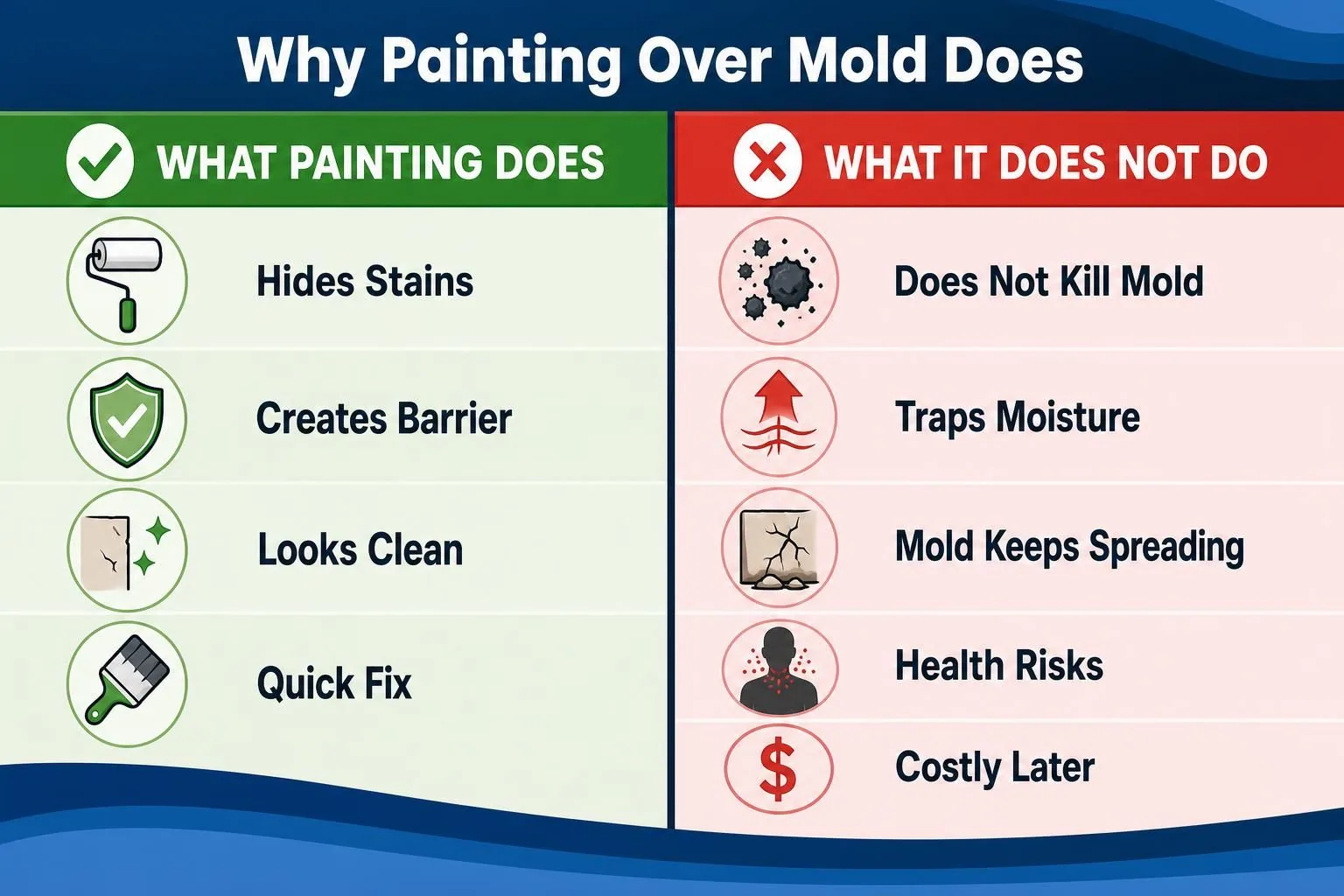
Think of it like spraying air freshener in a room with a wet towel under the couch. The smell may improve for a while, but the damp towel is still causing the problem.
Here’s what usually goes wrong when you paint too soon.
- The musty odor comes back because the mold source wasn’t removed.
- Paint bubbles or peels again because moisture is still pushing through the wall.
- Stains bleed through, even with primer, because the drywall is still affected.
- Mold keeps growing behind the surface if the wall cavity stays damp.
- New drywall or paneling traps the problem instead of solving it.
This is where hidden mold is different from basic /water-damage-wall-repair/. A wall with clean, fully dried damage may need patching, sanding, and repainting. A wall with suspected mold behind it needs inspection first. The question isn’t “How do I make this look normal?” It’s “Is there damp, moldy material behind the paint?”
If the wall smells musty, feels soft, or keeps bubbling after a leak, don’t seal it in. Find the moisture source, confirm whether the wall is dry, and inspect for mold before any cosmetic repair.
When Drywall Removal May Be Needed
Drywall removal may be needed when the material itself is wet, moldy, soft, swollen, or contaminated inside the wall cavity. Drywall is porous, which means it can soak up moisture like a sponge. Once mold grows into the paper backing or gypsum core, wiping the painted surface won’t reach the problem.
Use this simple flow before anyone starts cutting.
- Confirm the moisture source is fixed. Check for a plumbing leak, roof leak, window leak, or condensation issue. If water is still entering, removal alone won’t solve it.
- Check whether the drywall is structurally damaged. Press gently near the suspect area. If it feels soft, crumbly, swollen, or warped, that section may not be salvageable.
- Look for repeated warning signs. Paint that bubbles again after drying, stains that spread, or a musty odor that stays in one area can point to mold behind the surface.
- Stop before opening a large area yourself. Cutting moldy drywall can release spores and dust into the room. Professionals use containment, plastic barriers, negative air machines, and protective equipment to keep contamination from spreading.
- Get inspection or remediation help if mold is likely. A qualified /services/mold-remediation/ team can determine what needs removal, what can be cleaned, and how far the affected area extends.
Removal is usually about safety and source control, not cosmetics. The goal is to expose and remove affected material without spreading the problem.
FAQs
Can Mold Behind Drywall Make the Wall Smell Musty?
Yes. A persistent musty odor near one wall can be one of the strongest clues, even when the paint looks clean. Smell alone doesn’t prove mold, but if it follows a leak, condensation, or recurring dampness, treat it as a reason to check moisture and inspect further.
Can I Check for Mold Behind Drywall Myself?
You can do safe, non-destructive checks first. Look for stains, bubbling paint, warped trim, soft drywall, and damp areas. Use a basic moisture meter if you have one. Stop before cutting into the wall if the area is large, smells strong, or could spread dust into the room. That’s when /services/mold-remediation/ help is safer.
Is Hidden Mold the Same as Water Damage?
No. Water damage means moisture affected the wall. Mold means growth may be present because moisture stayed long enough. A wall may need /water-damage-wall-repair/ after drying, but suspected mold behind drywall needs inspection and possible remediation before cosmetic repair.
Should I Replace Drywall if I Suspect Mold?
Don’t cover it with new drywall. First, find and stop the moisture source. Then confirm whether the drywall or wall cavity is contaminated. Replacement makes sense only after affected material is removed safely and the area is dry.
If you’ve got a musty smell, repeated bubbling paint, soft drywall, or dampness that keeps coming back, treat it as a moisture problem that may also involve mold behind drywall. Simple /water-damage-wall-repair/ can fix stains, holes, or damaged surfaces, but it shouldn’t come before inspection if the wall cavity may be contaminated.
Start by stopping the leak or moisture source, checking for damp materials, and avoiding cutting into suspect drywall without containment. If the signs point beyond surface damage, schedule a professional inspection or /services/mold-remediation/ assessment before you paint, patch, or rebuild the wall.