A flooded basement is stressful, messy, and time sensitive. Knowing what to do after your basement floods can help you protect your health, limit damage to your home, and get back to normal faster. The right next steps depend on what kind of water you have, whether the water is still coming in, and which materials got soaked. In this guide, you will learn the immediate actions to take, how to stay safe around electricity and appliances, how to identify the source (including basement flooding from rain), and how to start cleanup and drying correctly. You will also learn when to bring in a basement flood cleanup expert and how to document everything for insurance and repairs.
- Put safety first: avoid electrical hazards, gas risks, and unstable surfaces
- Stop the source if possible and separate clean water from potentially contaminated water
- Remove water quickly, then shift to drying and dehumidifying to prevent mold
- Decide what can be cleaned versus what should be discarded to avoid lingering odor and bacteria
- Document damage early with photos, notes, and saved receipts for claims and contractors
Quick steps to take immediately
Start by taking a breath and doing a quick assessment from a safe location. Look at how deep the water is, whether it is still rising, and whether there are obvious hazards like sparking outlets, floating cords, or a strong sewer smell. If you can do so safely, keep people and pets out of the basement and restrict traffic on wet stairs.
Next, stop further damage. If the source is a burst pipe, shut off your home’s main water valve. If the leak is coming from an appliance, shut off the supply valve to that unit. Move valuables to a dry area if you can reach them without entering water. Open exterior doors or windows to ventilate if weather and security allow, and begin planning for water removal and drying as soon as the situation is stable.
Safety first: electricity, gas appliances, and structural concerns
Electricity and water are a dangerous combination. Do not step into standing water if there is any chance outlets, extension cords, or electrical devices are submerged. If you cannot confirm the power is off to the basement, keep out and shut off electricity at the main panel, but only if you can reach the panel without walking through water. If that is not possible, call your utility or an electrician for guidance.
Also consider gas appliances and structural stability. If your furnace, water heater, or other gas appliance was exposed to water, avoid operating it until it has been inspected and cleared. Be alert for the smell of gas or unusual hissing sounds and leave the house if you suspect a leak. Watch for sagging ceilings, shifting walls, or sudden cracks that suggest saturated materials or soil pressure. If you notice significant movement, buckling, or collapse risk, leave the area and get professional help before any cleanup begins.
Identify the source (rain intrusion, plumbing, sump, sewer)
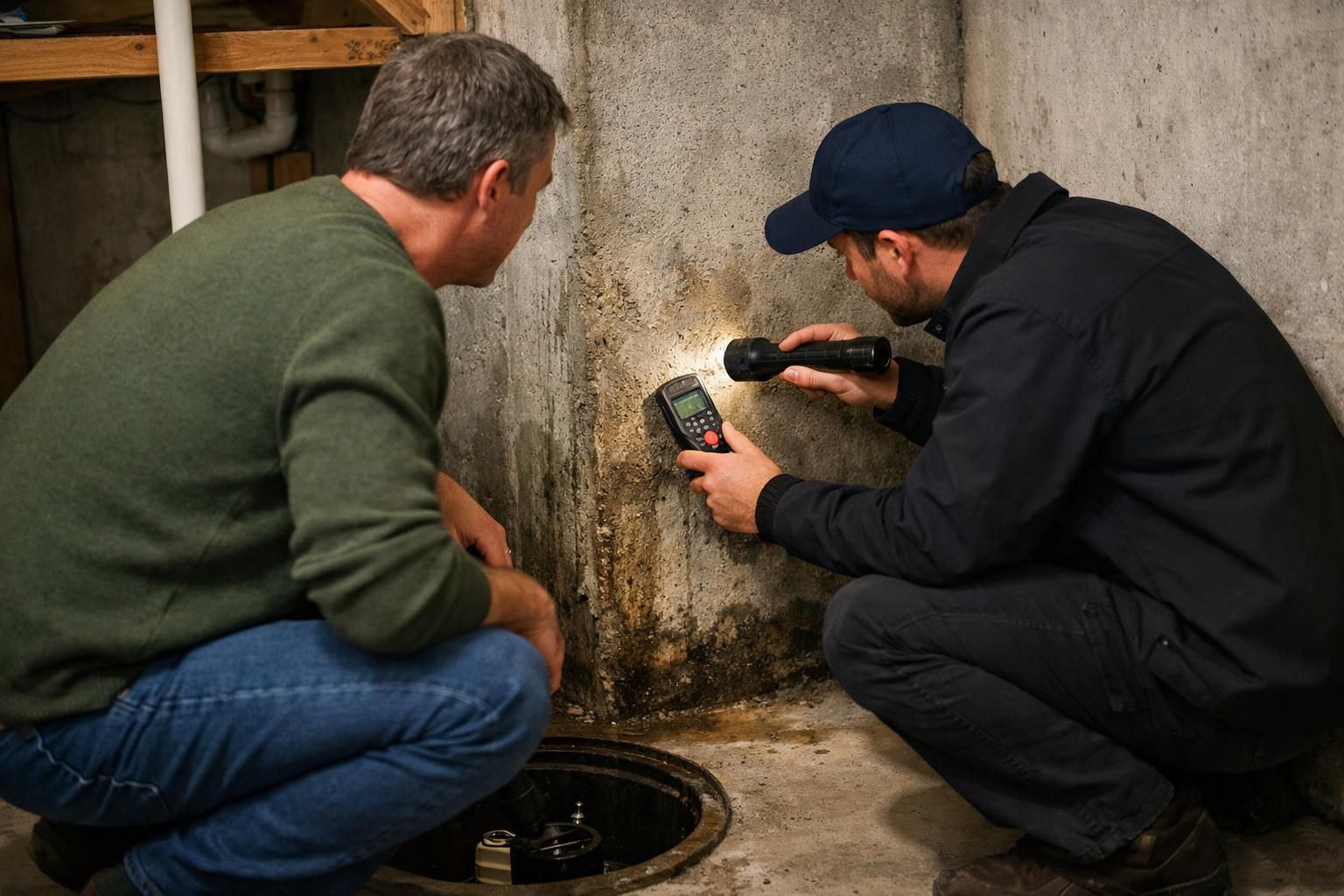
Before you focus on cleanup, determine why the basement flooded. The most common sources include a plumbing failure, a sump pump problem, a sewer backup, or water entering through cracks and openings during heavy storms. With basement flooding from rain, water may come through window wells, cove joints where the floor meets the wall, cracks in the slab, or gaps around utility penetrations.
Look for clues that narrow the cause. Clear water that appears near a water heater, washing machine, or supply line points toward plumbing. Water centered around a floor drain, especially with odor or debris, raises concern for a sewer or drain backup. If you have a sump pit, check whether the pump ran, whether the float is stuck, and whether the discharge line is blocked or frozen. Understanding the source helps you choose the right safety precautions and prevents you from cleaning up only to have the basement refill.
What to do if you suspect sewage contamination
If the water is gray, brown, smells foul, or contains visible debris, treat it as contaminated and limit exposure. Sewage and drain backups can carry bacteria and other hazards. Keep children and pets away, and avoid tracking water into living spaces. Wear protective gear if you must enter: waterproof boots, gloves, eye protection, and a well fitting mask appropriate for dirty demolition and cleaning.
Do not try to save porous items that absorbed contaminated water. Materials like carpet padding, upholstered furniture, and many pressed wood products are difficult to disinfect thoroughly. Prioritize stopping the backup and getting the area professionally assessed if the contamination is extensive. After removal, hard surfaces typically need cleaning and disinfection, and the space must be dried completely. If you are unsure whether it is clean water or sewage, treat it as contaminated until proven otherwise.
What to do if the water is still rising
Also consider gas appliances and structural stability. If your furnace, water heater, or other gas appliance was exposed to water, avoid operating it until it has been inspected and cleared. Be alert for the smell of gas or unusual hissing sounds and leave the house if you suspect a leak. Watch for sagging ceilings, shifting walls, or sudden cracks that suggest saturated materials or soil pressure. If you notice significant movement, buckling, or collapse risk, leave the area and get professional help before turning off electricity after a water leak.
If water is still coming in, focus on stopping or diverting the flow before you start major cleanup. For plumbing, shut off the water main and open faucets on the lowest level to help relieve pressure. For a sump issue, check whether the pump has power and whether the float is obstructed, but do not reach into water near electrical components. If rain is the driver, clear safe exterior drainage points like downspout extensions or clogged yard drains if you can do so without slipping.
Avoid pumping out a very large volume too quickly if flooding is severe and groundwater is high, because rapid changes in pressure can stress basement walls in some situations. If you are dealing with significant storm driven water or signs of structural strain, consider calling a professional for a controlled plan. While you wait, move items up off the floor, protect lower wall outlets, and isolate the area to prevent further damage upstairs.
Remove standing water and start drying
Before you focus on cleanup, determine why the basement flooded. The most common sources include a plumbing failure, a sump pump problem, a sewer backup, or water entering through cracks and openings during heavy storms, which can lead to water damage from spreading. With basement flooding from rain, water may come through window wells, cove joints where the floor meets the wall, cracks in the slab, or gaps around utility penetrations.
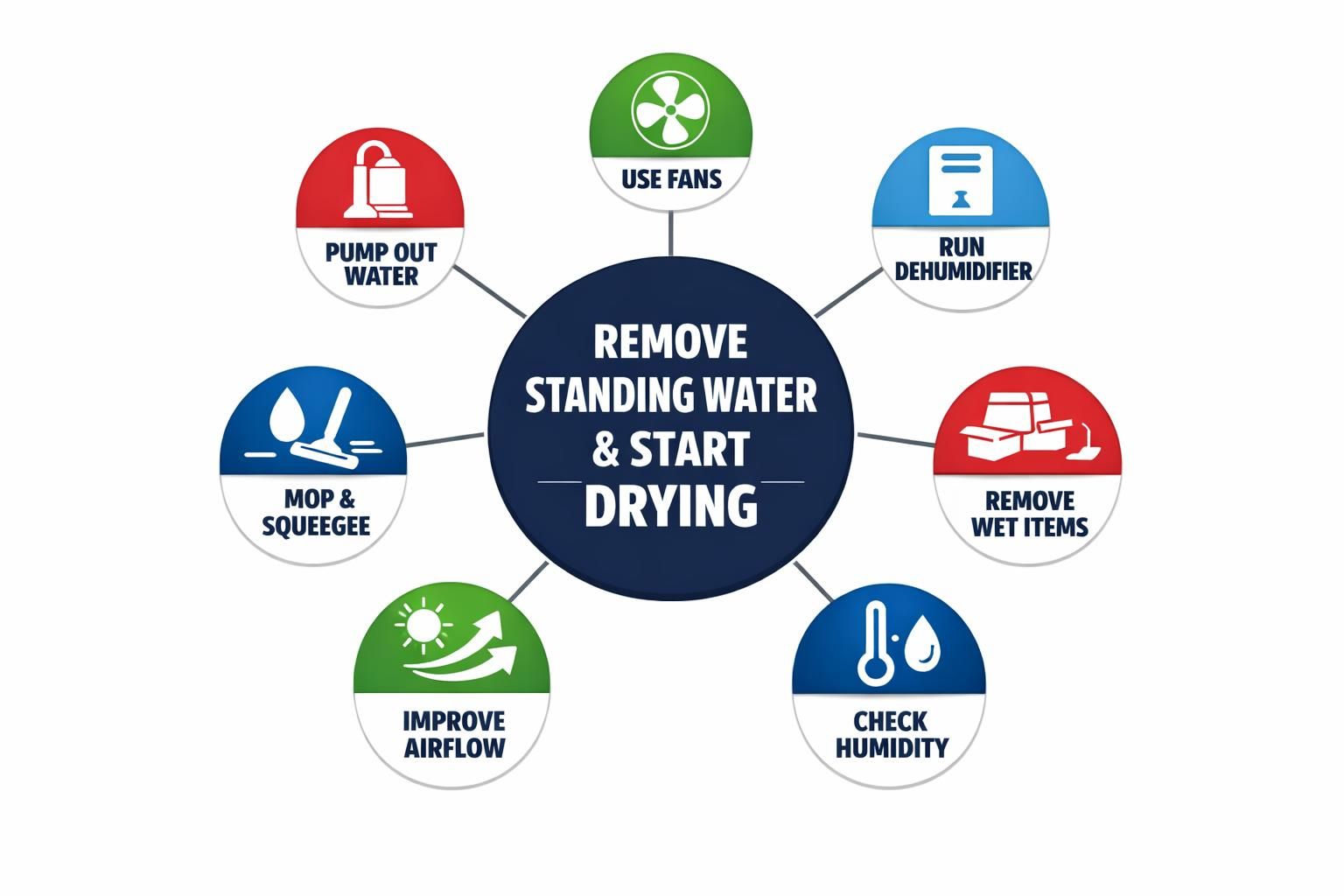
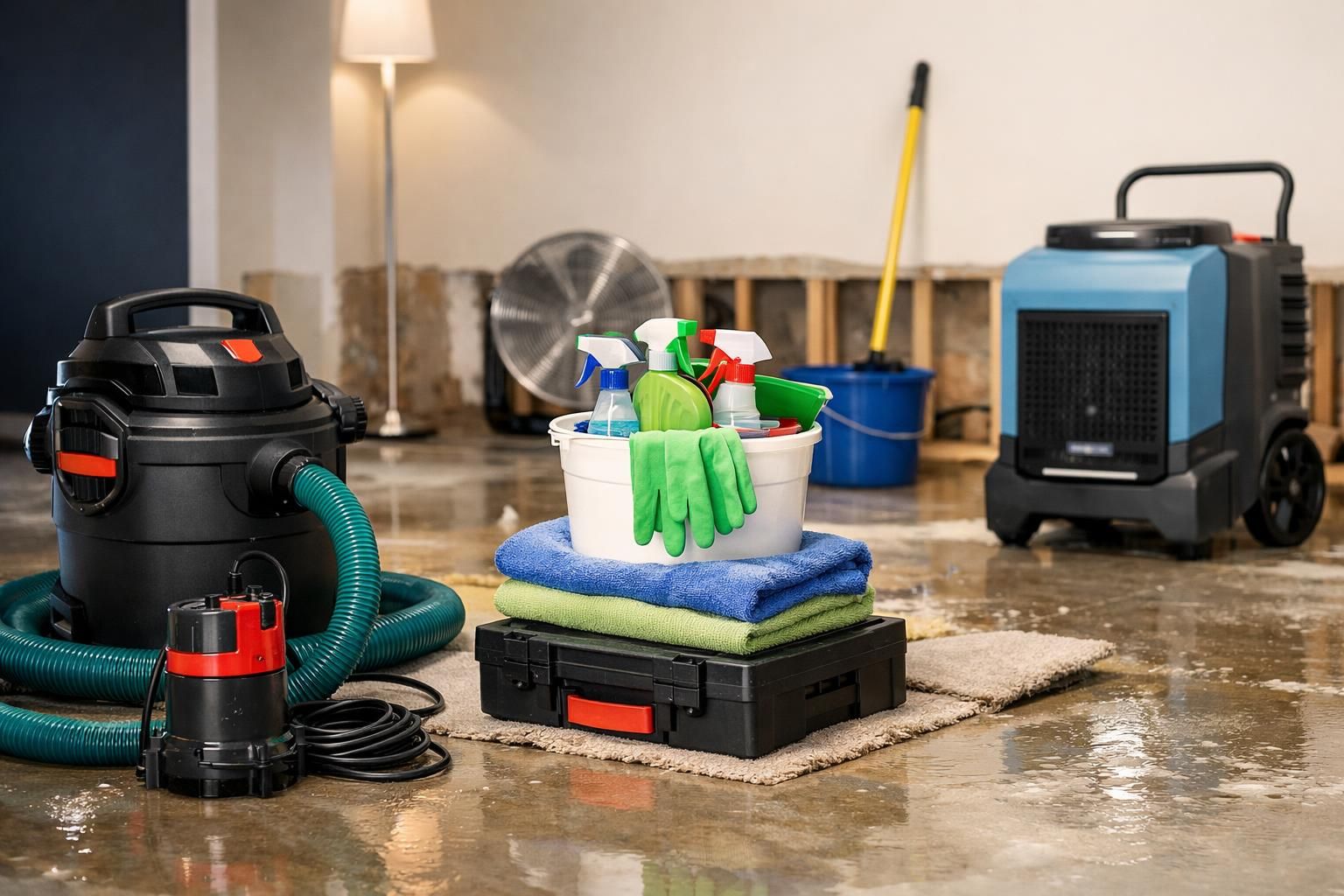
Once the situation is safe and the source is controlled, remove standing water as quickly as practical. Small amounts may be handled with wet dry vacuums, mops, and buckets. Larger amounts typically require a sump pump, a trash pump, or professional extraction equipment. The goal is to reduce the time materials stay saturated, since prolonged moisture raises the risk of mold, swelling, and odor.
After water removal, switch immediately to drying. Open windows if humidity outdoors is lower than indoors, and run fans to move air across wet surfaces. Use dehumidifiers to pull moisture from the air and help dry framing and concrete. Remove baseboards if they trap moisture behind walls, and lift wet items so air can circulate. Expect drying to take days, not hours, and aim for steady airflow and humidity control rather than blasting heat that can warp certain materials.
How to dry walls, floors, and contents (and what to toss)
Drying is part technique and part triage. Start with flooring: carpet and pad often hold water deep in the fibers. In clean water events, some carpet can be saved if extracted quickly and dried thoroughly, but pad is frequently a loss because it is difficult to dry evenly. For hard floors, remove water from seams and edges and keep airflow moving to prevent cupping, lifting, or staining. Concrete can look dry on the surface while holding moisture below, so keep dehumidification running.
Walls and contents require careful choices. Drywall wicks water upward, so you may need to remove portions that stayed wet, especially if the water was contaminated. Insulation behind walls can trap moisture and must be evaluated. For belongings, prioritize items that are easy to clean and quick to dry, and be realistic about what will keep odors or bacteria.
- Usually salvageable with proper cleaning: solid wood, metal, glass, many plastics
- Sometimes salvageable if dried fast: area rugs, some carpets, sealed wood furniture
- Often best to discard: carpet padding, particleboard, mattresses, upholstered furniture exposed to dirty water
- Paper goods and photos: air dry quickly if you plan to save them, but expect some loss
If you are unsure what to do after basement floods when it comes to valuables, set them aside in a dry area and avoid sealing them in plastic bags while damp. Trapped moisture can accelerate mold growth. When in doubt, get a professional opinion before you throw away items with high replacement or sentimental value.
How to spot hidden water and mold risk in basements
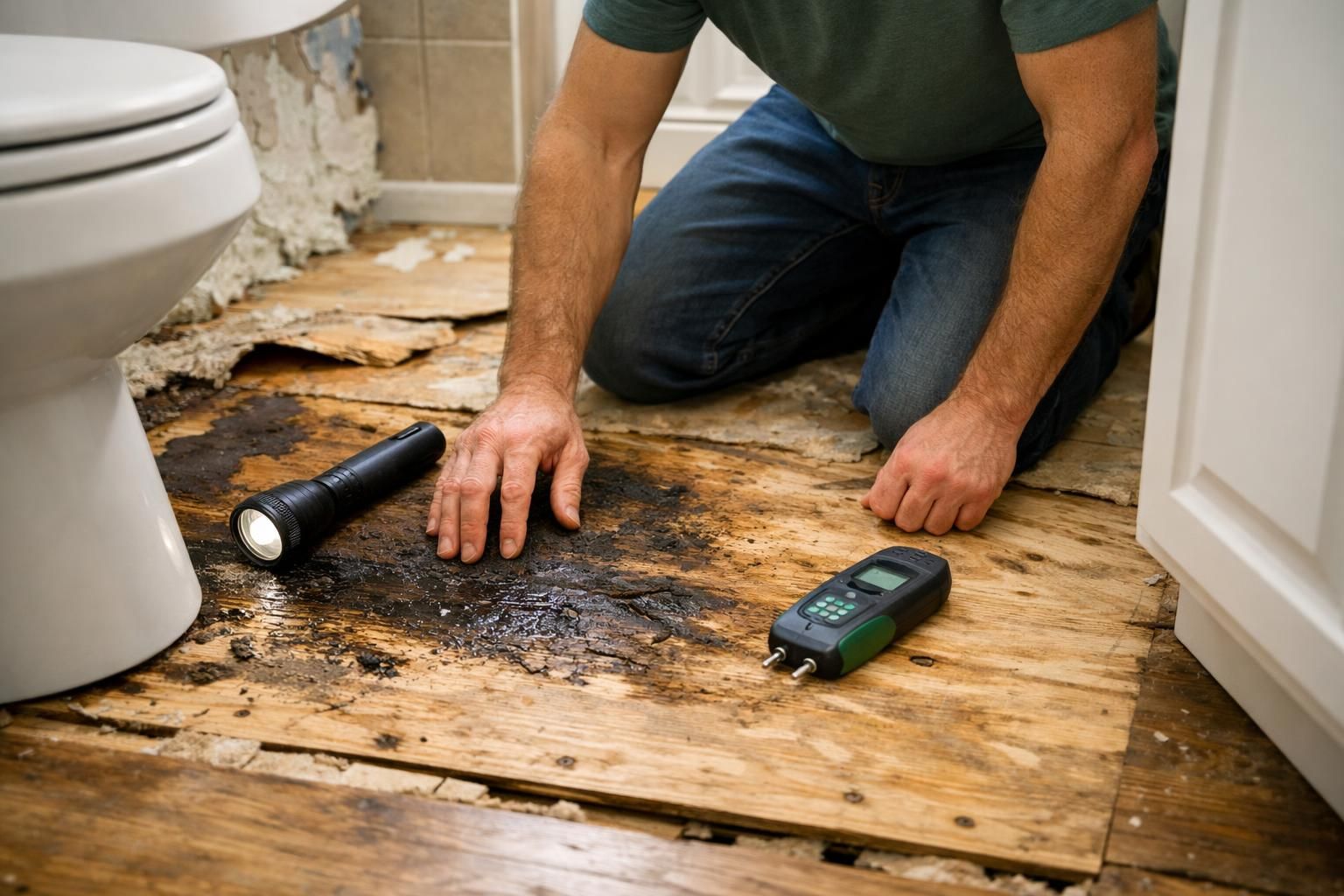
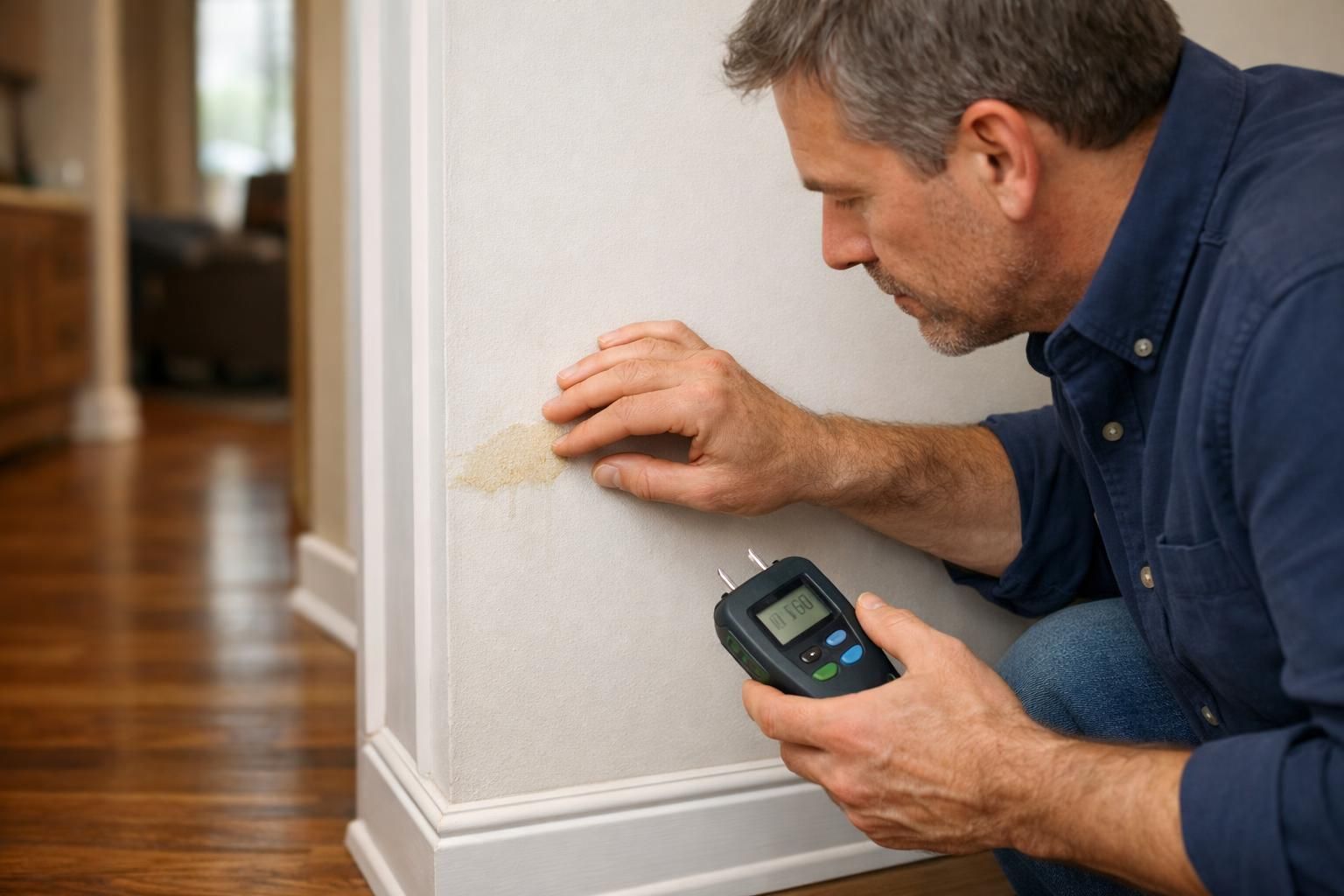
Basements hide moisture in cavities, under flooring, behind storage, and inside insulation. Even if the visible water is gone, lingering dampness can lead to odor, warping, and mold growth. Watch for musty smells, condensation on pipes or windows, and darkening at the base of walls. Paint bubbles, soft drywall, and swelling trim are also common warning signs that water traveled farther than you can see.
Pay extra attention to corners, behind cabinets, around rim joists, and near sump pits and floor drains. Pull boxes and stored items away from walls to allow airflow and inspection. If you have a hygrometer, track humidity and aim to keep the space dry enough that surfaces do not stay damp. If mold appears, do not simply paint over it. Address the moisture source first, then remove affected porous materials as needed and clean hard surfaces appropriately.
When to call a restoration pro (and what they’ll do)
There are situations where calling a basement flood cleanup expert is the safest and most cost effective move. Consider professional help if the water is contaminated, the flooded area is large, you cannot safely shut off power, or you suspect water is trapped inside walls and floors. Also call if you have health concerns, limited ability to lift and remove materials, or you need documentation for a claim and want the drying process verified.
A qualified restoration team typically brings commercial extraction tools, moisture measurement equipment, and a structured drying plan. They can remove unsalvageable materials, set up dehumidifiers and air movers, and monitor progress so drying is thorough rather than superficial. They can also advise on cleaning and deodorization, help you avoid common mistakes like sealing in moisture, and coordinate next steps such as selective demolition and rebuild planning.
A qualified restoration team typically brings commercial extraction tools, moisture measurement equipment, and a structured drying plan. They can remove unsalvageable materials, set up dehumidifiers and air movers, and monitor progress so drying is thorough rather than superficial. They can also advise on cleaning and deodorization, help you avoid common mistakes like sealing in moisture, and coordinate next steps such as selective demolition and rebuild planning for effective water damage restoration.
Preventing the next basement flood (sump, grading, drains)

After cleanup, shift focus to prevention so you are not repeating the same emergency. Start outside. Make sure gutters and downspouts are clear and that downspouts discharge away from the foundation. Check grading so soil slopes away from the house rather than toward it. If window wells collect water, consider covers and improved drainage so water does not spill over into the basement.
Inside, evaluate the sump system and drainage paths. Test the pump, clean the pit, and confirm the float moves freely. Consider a battery backup if power loss is a common risk during storms. Keep floor drains clear and address slow drains early. Seal obvious cracks and gaps, but remember that sealing alone may not solve ongoing water pressure issues. If basement flooding from rain is frequent, you may need a broader solution that combines exterior water management and interior drainage improvements.
Documentation for insurance and repairs
Good documentation helps you stay organized and supports insurance and contractor discussions. Before you move or discard items, take clear photos and videos of the water line on walls, damaged flooring, affected furniture, and any apparent source. Write down the timeline: when you noticed flooding, what you shut off, and what actions you took. Keep samples of damaged materials if you think you will need to show what failed.
Track expenses and communications in one place. Save receipts for pumps, fans, dehumidifiers, protective gear, disposal fees, and any emergency service calls. If contractors are involved, keep copies of estimates, scope notes, and invoices, and ask what work is considered temporary mitigation versus permanent repair. Even if you are not sure whether you will file a claim, organized records make it easier to decide and reduce stress while you plan the next steps.
Conclusion
Recovering from a basement flood is a process: secure the area, identify the cause, remove water, dry thoroughly, and decide what can be saved. If you are still unsure what to do after your basement floods, focus on two priorities: safety and moisture control. When hazards, contamination, or hidden water are likely, bringing in a basement flood cleanup expert can prevent expensive second round damage from mold and trapped moisture. Once the basement is dry and stable, take time to reduce future risk with better drainage, a reliable sump setup, and regular checks of plumbing and appliances. Your practical next step is to document the current damage, then create a short prevention checklist you can follow before the next heavy storm.
Recovering from a basement flood is a process: secure the area, identify the cause, remove water, dry thoroughly, and decide what can be saved. If you are still unsure what to do after your basement floods, focus on two priorities: safety and moisture control. When hazards, contamination, or hidden water are likely, bringing in a basement flood cleanup expert can prevent expensive second round damage from mold and the hidden dangers of untreated mold. Once the basement is dry and stable, take time to reduce future risk with better drainage, a reliable sump setup, and regular checks of plumbing and appliances. Your practical next step is to document the current damage, then create a short prevention checklist you can follow before the next heavy storm.
After water removal, switch immediately to emergency water damage restoration. Open windows if humidity outdoors is lower than indoors, and run fans to move air across wet surfaces. Use dehumidifiers to pull moisture from the air and help dry framing and concrete. Remove baseboards if they trap moisture behind walls, and lift wet items so air can circulate. Expect drying to take days, not hours, and aim for steady airflow and humidity control rather than blasting heat that can warp certain materials.