
Restoration work can turn old painted surfaces into dust faster than most homeowners expect. That’s why lead paint testing before restoration is worth considering before anyone sands, cuts, scrapes, removes trim, opens walls, or starts cleanup in an older home. The surface may look solid, but the repair process can disturb layers underneath.
Here’s the simple rule: if your home was built before 1978 and the project may disturb painted surfaces, test before work starts. That includes water damage repairs, fire cleanup, mold remediation, and demolition-style repairs. In this guide, you’ll learn when testing makes sense, what it can confirm, and how results help you plan a lead-safe repair under EPA RRP context.
- Use testing for older homes where restoration work may disturb painted walls, trim, plaster, doors, windows, or cabinets.
- Pause testing if work is limited to untouched, unpainted materials and no cutting, sanding, scraping, or demolition will happen.
- Test before work starts if you are unsure whether a damaged surface is painted, layered, or likely to be opened during repairs.
- Get expert help if the job involves widespread damage, hidden materials, demolition, or multiple possible hazards in a pre-1978 home.
Quick Answer
Lead paint testing before restoration should happen before any repair that may disturb painted surfaces in a home built before 1978. That means before sanding, scraping, cutting, drilling, demolition, wall opening, trim removal, or aggressive cleanup. Think of testing like checking the road before you drive. You don’t want to discover the hazard after the work has already spread dust.
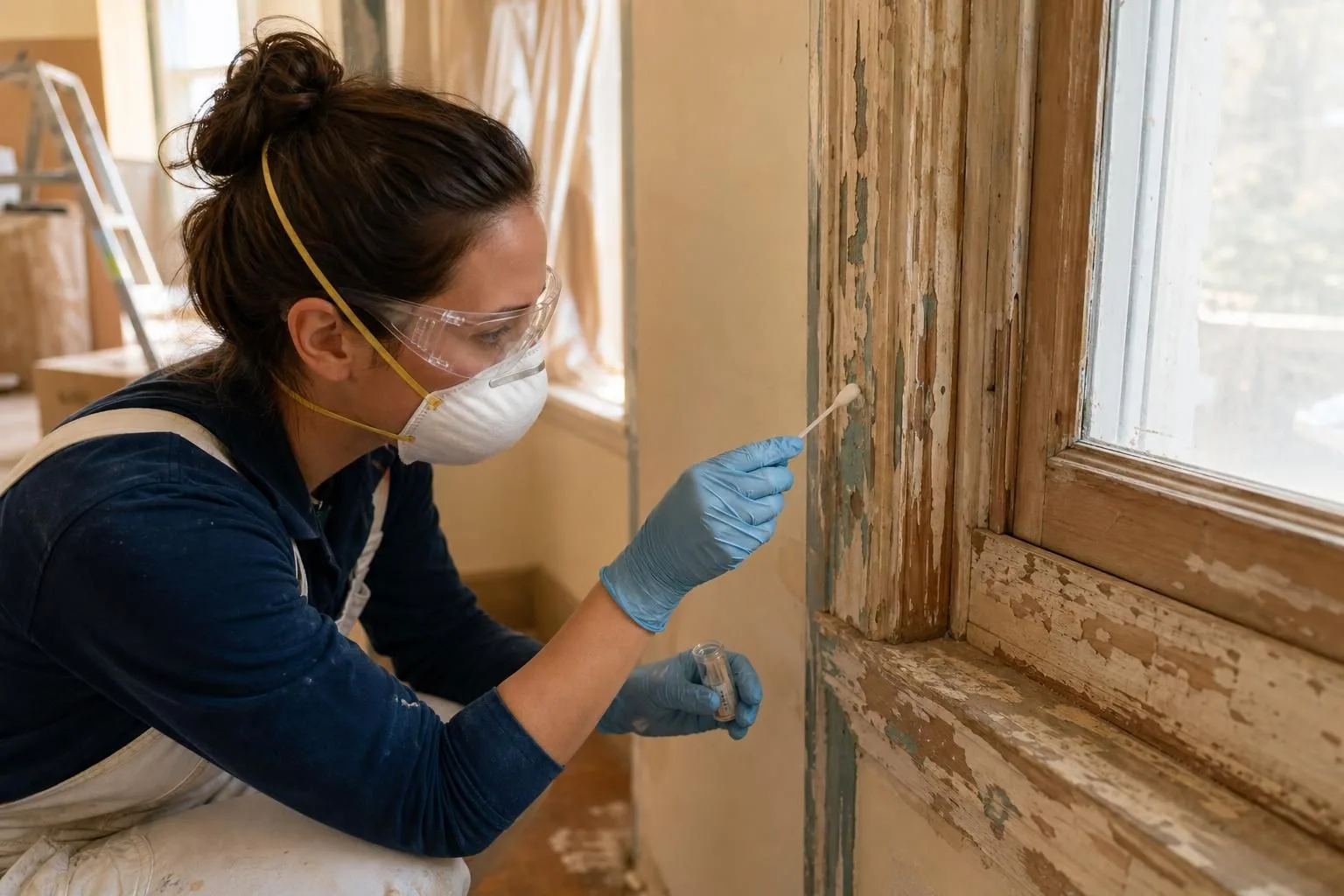
The key question isn’t only, “Is the paint peeling?” It’s, “Will this repair create dust or debris?” A bathroom wall opened after water damage, a fire-damaged room with painted trim, or a mold-affected wall that needs scraping can all become dust-producing jobs.
- Check the age of the home.
- Identify every painted surface near the repair.
- Ask whether the work will cut, sand, scrape, drill, or remove materials.
- Pause cleanup if dust or paint chips are already present.
- Arrange testing before the repair plan is finalized.
Why Pre-1978 Paint Matters During Repairs
Pre-1978 homes matter because older painted surfaces are more likely to contain lead, and repairs can disturb those layers. Lead may sit under newer paint, behind trim, on windows, plaster, or doors. A fresh coat does not remove the risk if the repair breaks through it.
EPA RRP refers to the lead-safe work context used when renovation or repair may disturb lead-based paint in certain older homes and child-occupied buildings. The practical point is simple: control dust before work starts.
In pre-1978 restoration, focus on painted areas tools will touch. Windows and doors are common problem spots because friction can loosen old coatings. Bathrooms and kitchens also need attention because moisture damage often leads to wall opening, scraping, or cabinet removal.
A common mistake is assuming paint that looks fine is safe to disturb. Another is testing only the most damaged spot while ignoring nearby trim or plaster that the repair will also affect.
Water, Fire, Mold, and Demolition Scenarios
Restoration scenarios create lead risk when they turn painted surfaces into dust, chips, or debris. Water, fire, mold, and demolition repairs may look like different jobs, but they often share the same lead-related problem: old coatings get disturbed while damaged materials are removed.
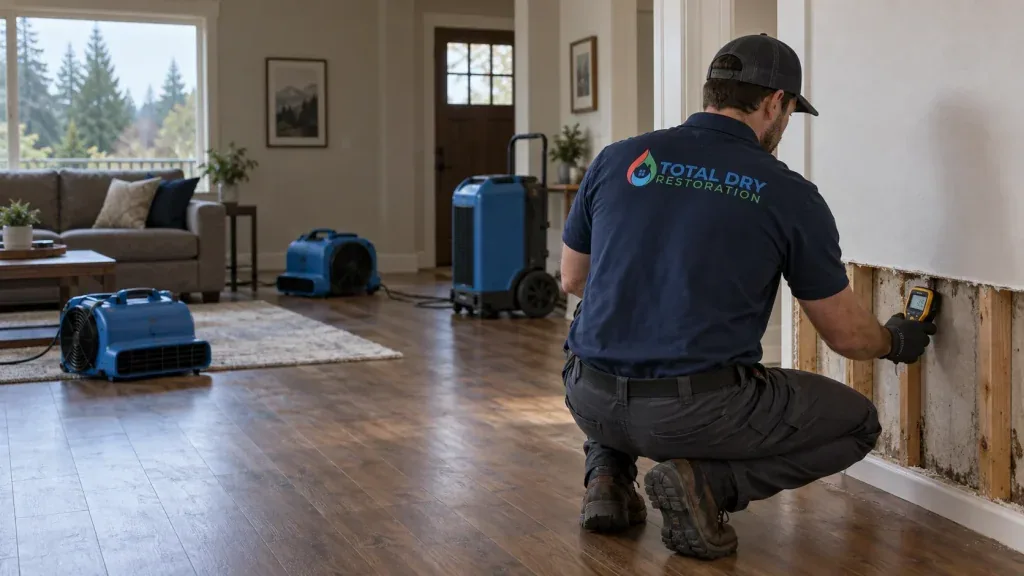
Picture a pre-1978 bathroom where a supply line leaked behind the wall. The drywall or plaster may need to be opened. If painted layers are cut, scored, scraped, or broken apart, lead dust during repairs becomes a planning issue. The same idea applies to a ceiling repair after a leak, especially if painted plaster or trim must be removed. If you’re dealing with overhead damage, ceiling water damage repair planning should include what painted materials may be disturbed before removal starts.
| Restoration scenario | Dust trigger | Testing focus | Planning note |
|---|---|---|---|
| Water damage | Cutting walls or removing trim | Painted drywall, plaster, baseboards | Test before opening larger areas |
| Fire cleanup | Removing soot-covered painted materials | Trim, plaster, windows, doors | Avoid dry scraping until tested |
| Mold remediation | Scraping or demolition near old paint | Painted walls, cabinets, framing covers | Separate moisture plan from dust plan |
| Demolition repair | Breaking apart coated materials | Any painted surface in work zone | Confirm hazards before debris removal |
After a fire, a room may need smoke cleanup, trim removal, or plaster repair. Soot can make surfaces look uniformly dirty, so it’s easy to miss old paint underneath. In a kitchen fire, smoke damage cleanup often involves decisions about cabinets, walls, and trim before repainting.
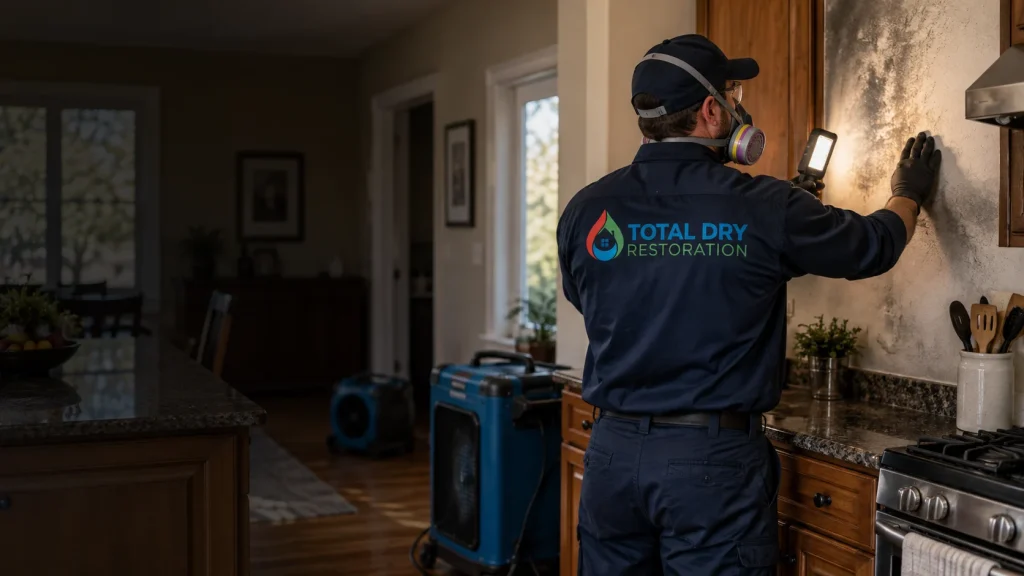
Mold work can also disturb coatings. If a worker scrapes, sands, or removes painted wall sections, the job needs more than a moisture plan. It needs a dust-control plan too.
What Testing Can Confirm Before Work Starts
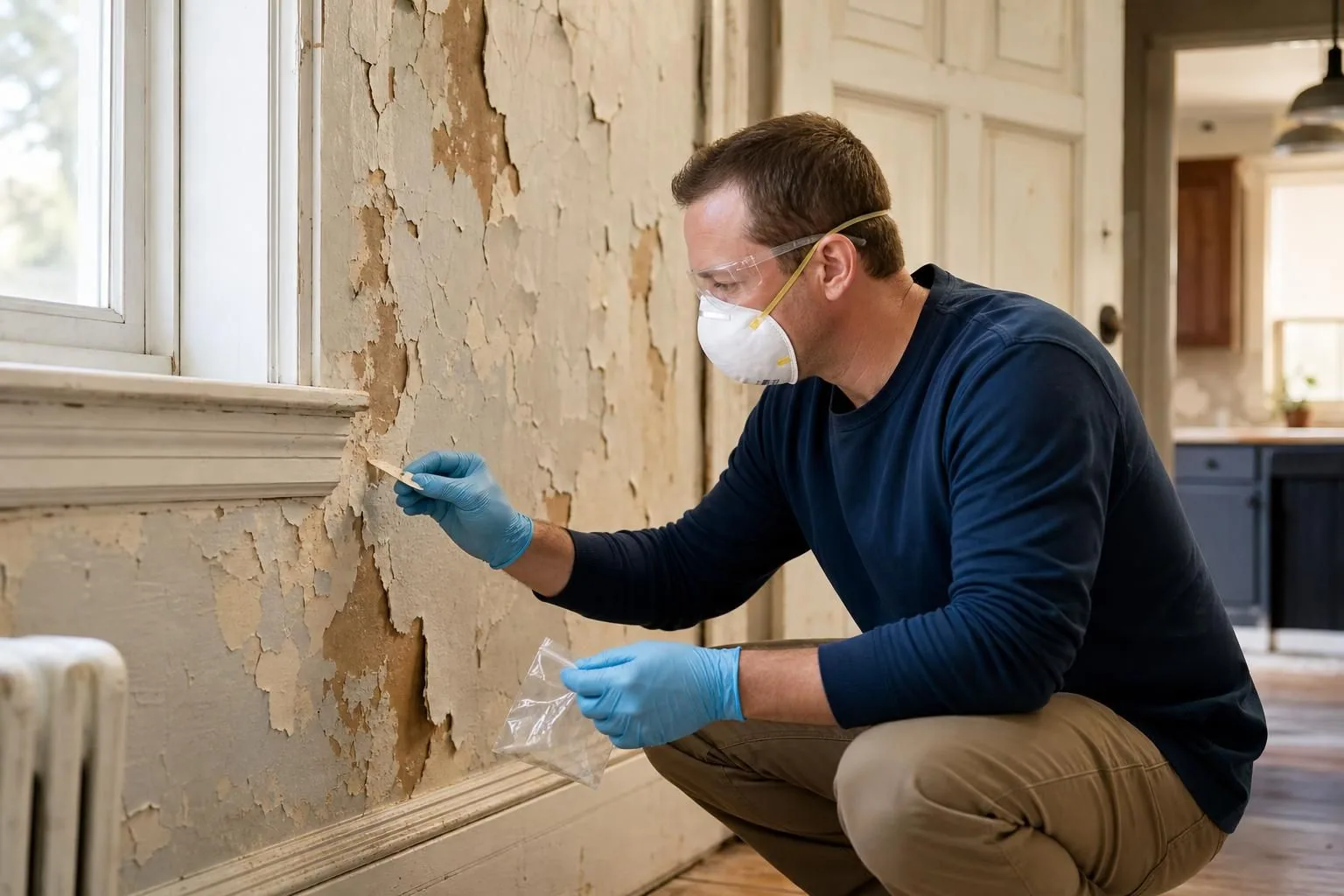
Testing can confirm whether painted surfaces in the work area contain lead before restoration disturbs them. That helps you choose the right repair method, containment, cleanup approach, and crew instead of guessing during the messiest stage.
Testing may focus on specific components, such as walls, baseboards, window casings, doors, cabinets, or ceilings. You do not need to test the whole house if only certain painted parts will be disturbed, but you do need to test the surfaces tied to the actual repair.
Before scheduling testing, walk the damaged area slowly, list each painted surface that may be cut, scraped, sanded, drilled, removed, or cleaned aggressively, mark places where hidden damage may expand the work, share the home’s age and repair scope with the tester, and wait for results before finalizing demolition or surface prep.
Even a small repair can grow quickly. Replacing water-damaged baseboard may lead to wall sanding, trim removal, and plaster patching. If cost comes up, treat any number as a planning range and confirm current pricing directly before scheduling service.
Why Dust Control Matters
Dust control matters because repairs can spread fine particles far beyond the damaged spot. With older painted surfaces, the risk is not just the wall or trim itself, but what happens when tools cut, grind, scrape, or break it apart.
Dust can settle on floors, furniture, vents, tools, clothing, and nearby rooms. You may not see a visible cloud, especially during busy restoration work with fans, debris removal, and foot traffic.
In EPA RRP work, lead-safe planning means setting containment and cleanup procedures before work begins. Containment keeps dust and debris inside the work area as much as possible. Cleanup verification checks that the area has been cleaned properly for the job.
Common mistakes include dry sanding before testing, sweeping suspect dust through the house, using airflow that pushes dust into clean rooms, removing painted debris without a handling plan, and assuming water, fire, or mold work overrides lead concerns. Hidden damage can also expand the job. Check for signs of hidden water damage before locking the plan, since a larger work area may require more testing.
Restoration Next Steps After Testing
Your next steps depend on whether the disturbed surfaces contain lead. If results show lead, shift the repair plan to lead-safe methods before demolition, surface prep, or cleanup continues. If results do not show lead on the tested surfaces, standard dust control may still be needed, but lead-specific planning can change.
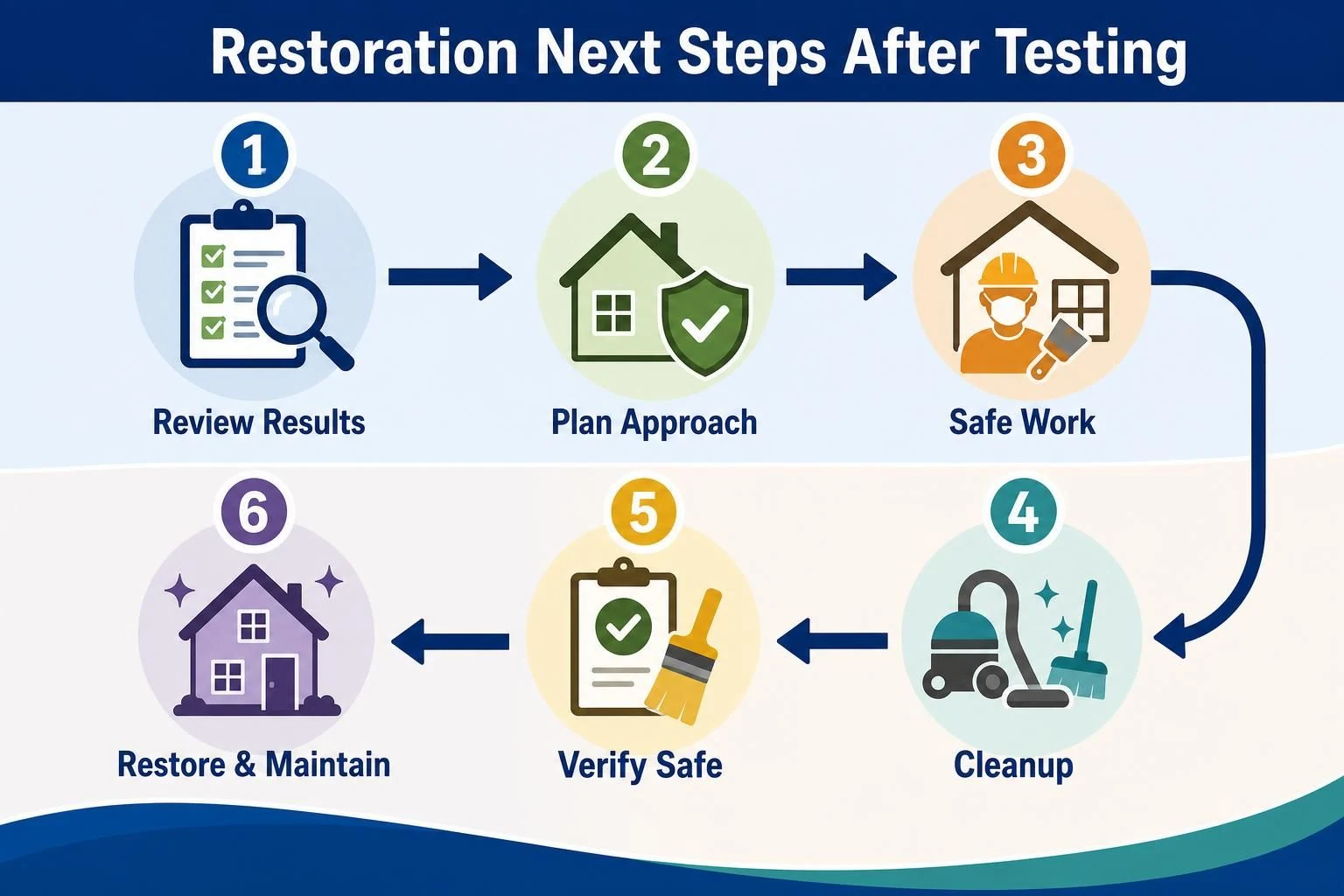
Use this sequence after results arrive: read results by surface, not just by room; match each result to the repair task; update the scope if hidden damage may expand the area; choose lower-dust methods where lead is present; set containment before cutting, scraping, sanding, or removal; keep debris handling and cleanup in the written plan; and recheck the area before rebuilding or repainting.
For example, testing may confirm lead on painted trim in a fire-damaged room, but not on a newer wall patch. That lets the crew use stricter containment for trim removal without treating the whole room as one condition. If there is major moisture damage, emergency water damage restoration may need to happen in stages so drying, testing, demolition, and rebuild decisions stay organized.
FAQs
The most common questions about lead paint testing before restoration come down to timing, scope, and what to do with the results. Beginners often know the home is old, but they’re not sure which repair steps create the real concern.
Use the answers below as planning guidance, not medical guidance or a substitute for project-specific testing. When the work area is older, painted, and likely to be disturbed, testing before dust is created is the safer planning move.
Do I Need Testing if the Paint is Not Peeling?
Yes, testing can still make sense if the repair will disturb the paint. Intact paint may become a dust source when someone cuts, sands, drills, scrapes, or removes it. Paint condition helps you notice risk, but the repair method is what often creates dust.
Should I Test Before Water Damage Repairs?
Test before water damage repairs when a pre-1978 painted wall, ceiling, trim, cabinet, or floor coating may be disturbed. A small leak can turn into wall opening, baseboard removal, sanding, or demolition. Testing helps the repair team plan containment before that happens.
Can Fire Cleanup Disturb Lead Paint?
Yes, fire cleanup can disturb lead paint if painted trim, plaster, doors, windows, or cabinets are scrubbed, scraped, removed, or demolished. Soot may hide the paint condition underneath. Testing helps separate smoke cleanup decisions from lead-safe repair planning.
What if Only a Small Repair is Planned?
Small repairs can still create dust if they involve sanding, cutting, drilling, or scraping old painted surfaces. The size of the job matters less than the method. If the home was built before 1978 and paint will be disturbed, test first.
Focus on three questions: Was the home built before 1978? Will painted surfaces be disturbed? Could the work expand after materials are opened? If yes, map the area surface by surface, test before work starts, and then plan dust control, cleanup, and rebuild steps.