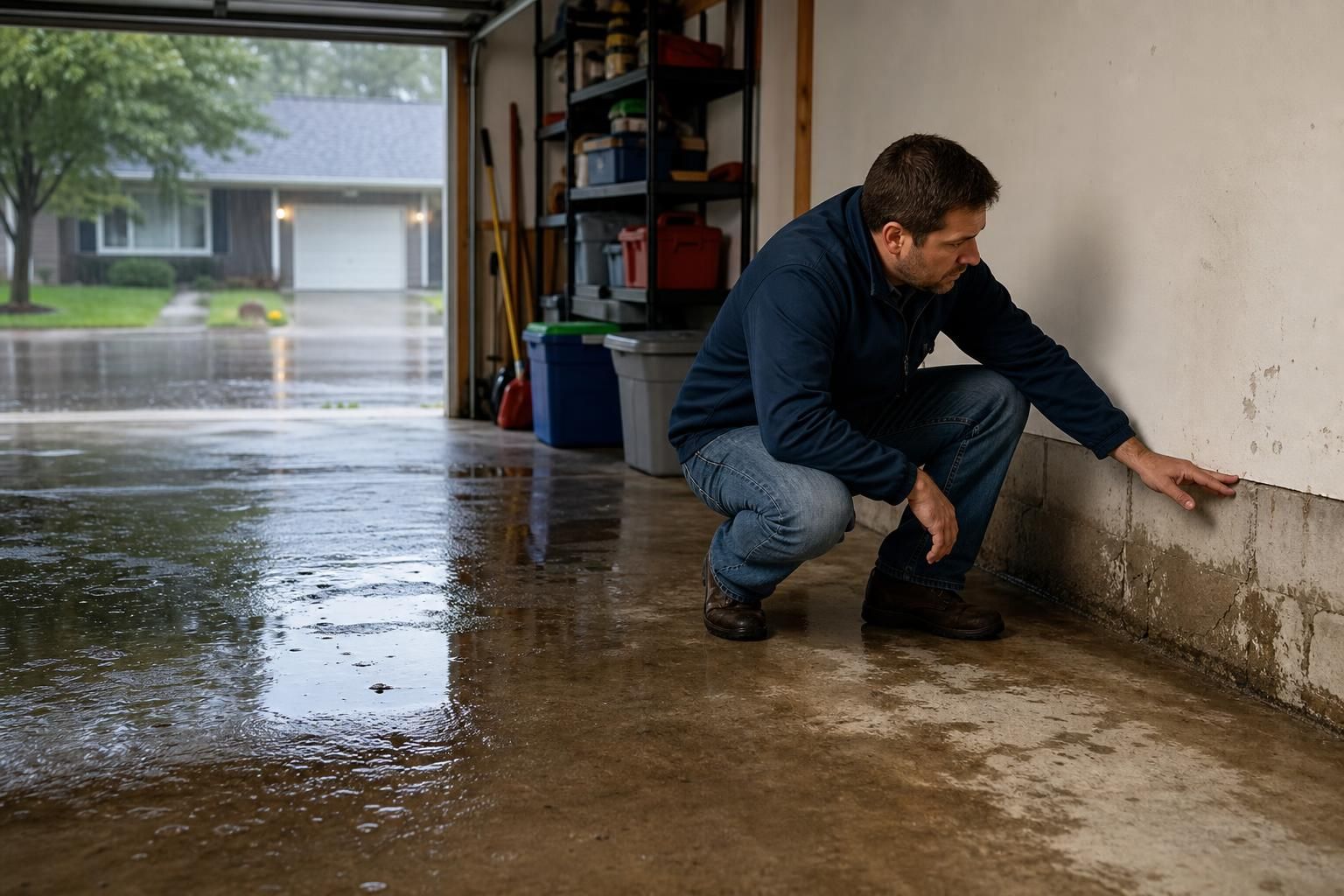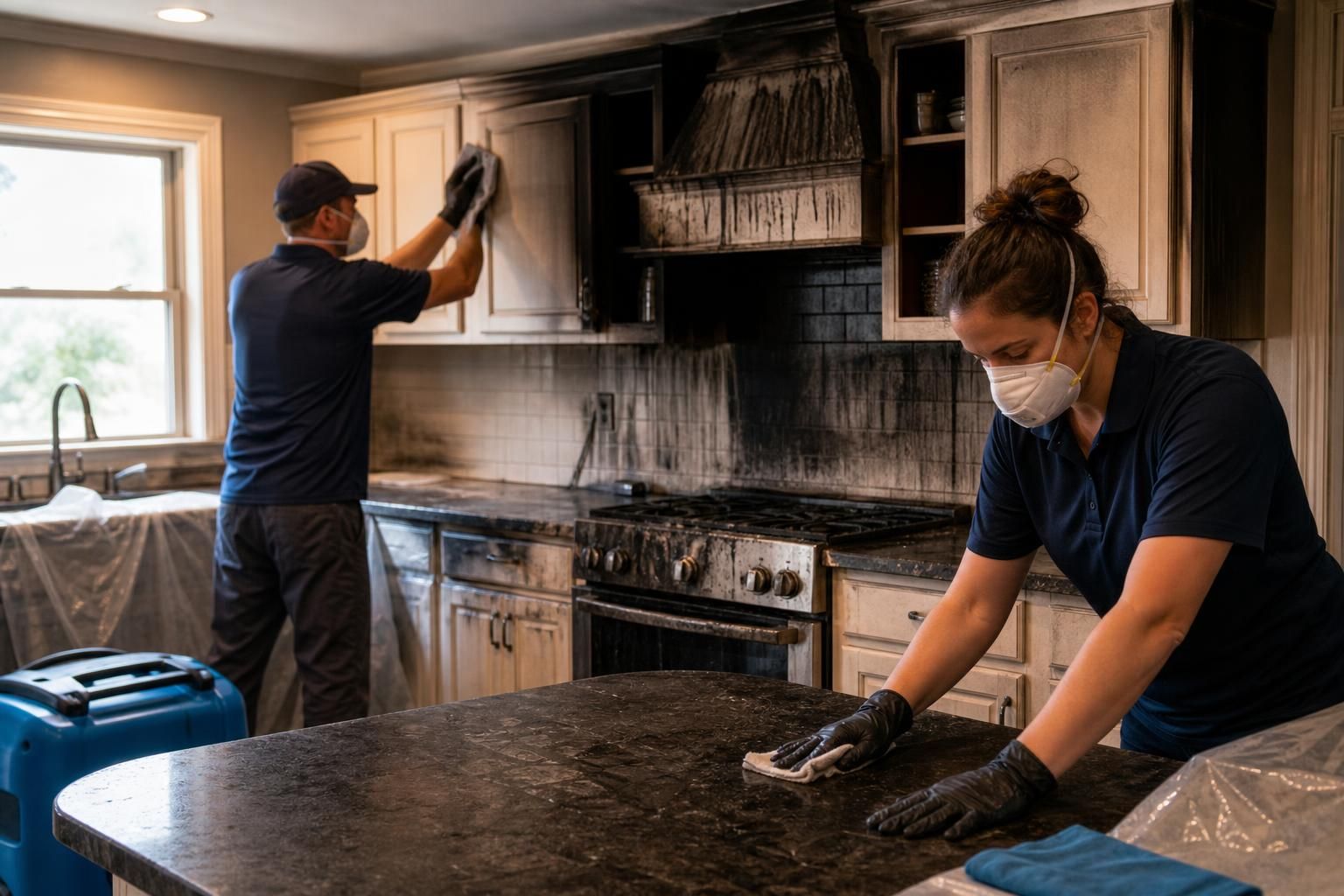

Selling house with water damage isn’t automatically a deal-breaker, but it does change how you prep, price, and explain your property. Buyers will worry about hidden mold, repeated leaks, and whether the “fix” was just cosmetic. Your job is to remove uncertainty as much as you reasonably can. That means understanding what you’re required to disclose, deciding whether repairs make financial sense, and presenting solid documentation so the water issue doesn’t swallow the whole conversation. In this guide, you’ll learn how water damage impacts value, when to repair vs sell as-is, how to price realistically, and how to handle common buyer questions.
Best for: Owners who can document the cause, timeline, and repairs, and want fewer surprises during inspections and negotiations.
Not ideal when: The damage is active, widespread, or tied to unresolved drainage, plumbing, or foundation issues that keep returning.
Good first step if: You’re unsure what’s “history” vs “current” damage and need a clear scope before choosing as-is or repairs.
Call a pro if: You suspect mold, the structure feels soft or sagging, or you need a drying and repair plan buyers can trust.
Quick Summary
- Disclosure is usually required when water damage is known, even if you repaired it.
- Value drops mostly from uncertainty, not just the damaged materials.
- Repairs help most when they eliminate recurring causes and come with paperwork.
- Selling as-is can work, but you’ll need tighter pricing and cleaner expectations.
- Pricing should reflect both visible repairs and buyer risk around hidden issues.
- The smoother your documentation, the less leverage a buyer has mid-deal.
Do You Have to Disclose Water Damage When Selling
In most cases, disclose any known water damage or history of water intrusion when selling. State rules vary, but the practical standard is simple: if you know it happened, disclose it, even if you believe it was fixed.
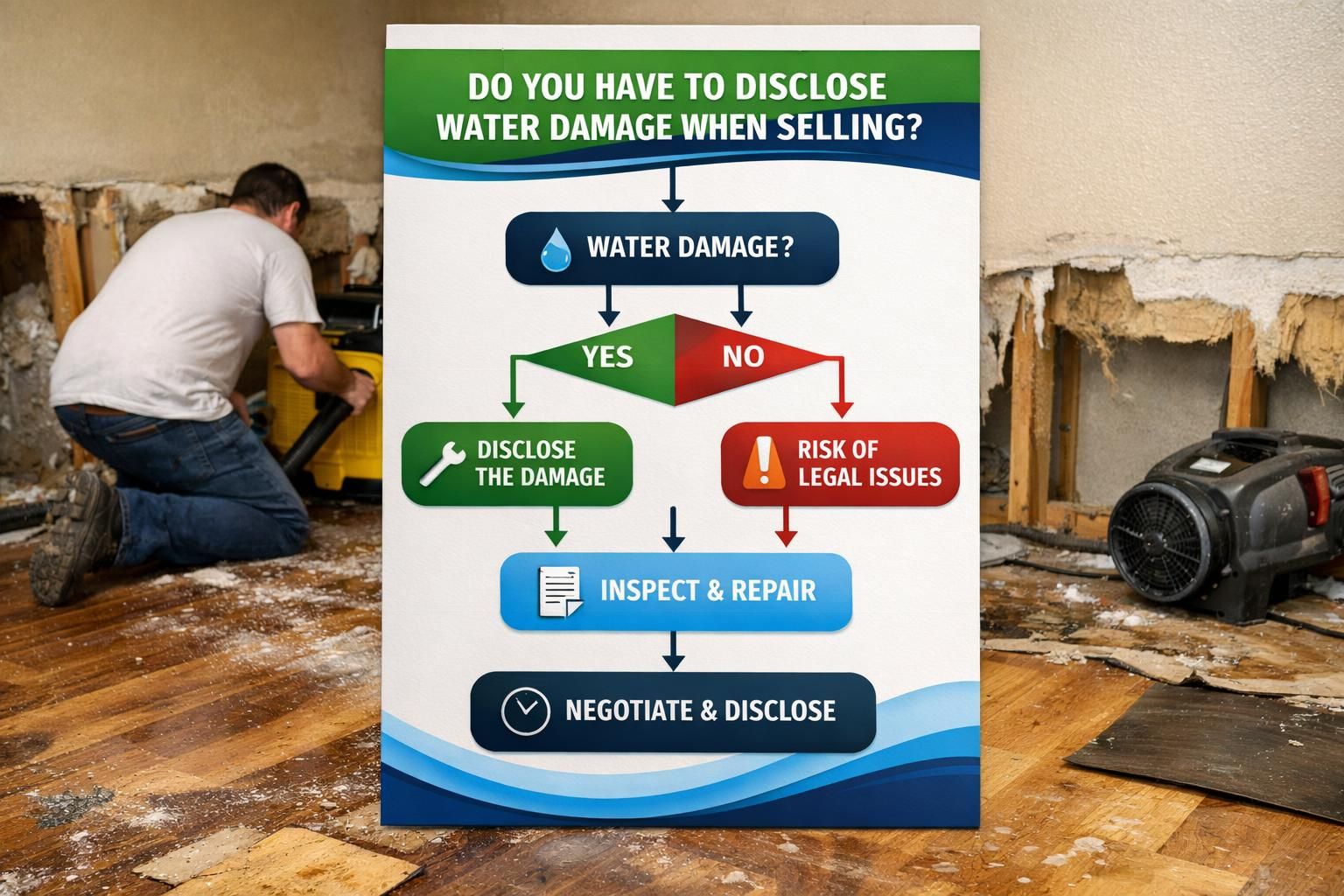
Buyers want facts: what happened, why, what was done, and whether it could recur. Keep it factual. Report what you observed, what a professional diagnosed, and what was repaired, without guessing.
A solid disclosure covers the source, approximate dates, areas affected, mitigation and repairs completed, who did the work, invoices, and any warranties or transferable guarantees. Documentation lowers fear and reduces negotiation friction. If you need help summarizing early actions, build a clean timeline using this mitigation outline how to stop spread. Under-disclosing often backfires when inspections reveal stains, swelling, moisture readings, or fresh patchwork.
How Water Damage Affects Home Value
Water damage affects value mostly by increasing perceived risk, not just by subtracting repair costs. Buyers discount uncertainty: what’s behind walls, whether materials will fail later, and if the problem will return. A vague story or missing paperwork can hurt more than the actual fix.
Value impact depends on recency, cause, scope, and remediation quality. A recent leak feels riskier than an older, documented event. A one-time plumbing failure is easier to accept than chronic seepage or roof issues. One room is manageable; multiple rooms or a finished basement is not. Thorough drying and proper rebuild beat patch-and-paint.
Some damage is hard to judge visually, especially floors and subfloors. Know common red flags buyers and inspectors note signs of wood floor damage. Aim to prove the cause was understood, fixed, and unlikely to recur.
Should You Repair Water Damage Before Selling
Repair water damage before selling when you can eliminate the cause and reduce buyer uncertainty enough to pay you back in price and smoother negotiations. Cosmetic touch-ups rarely help if moisture is still present or the source isn’t resolved.
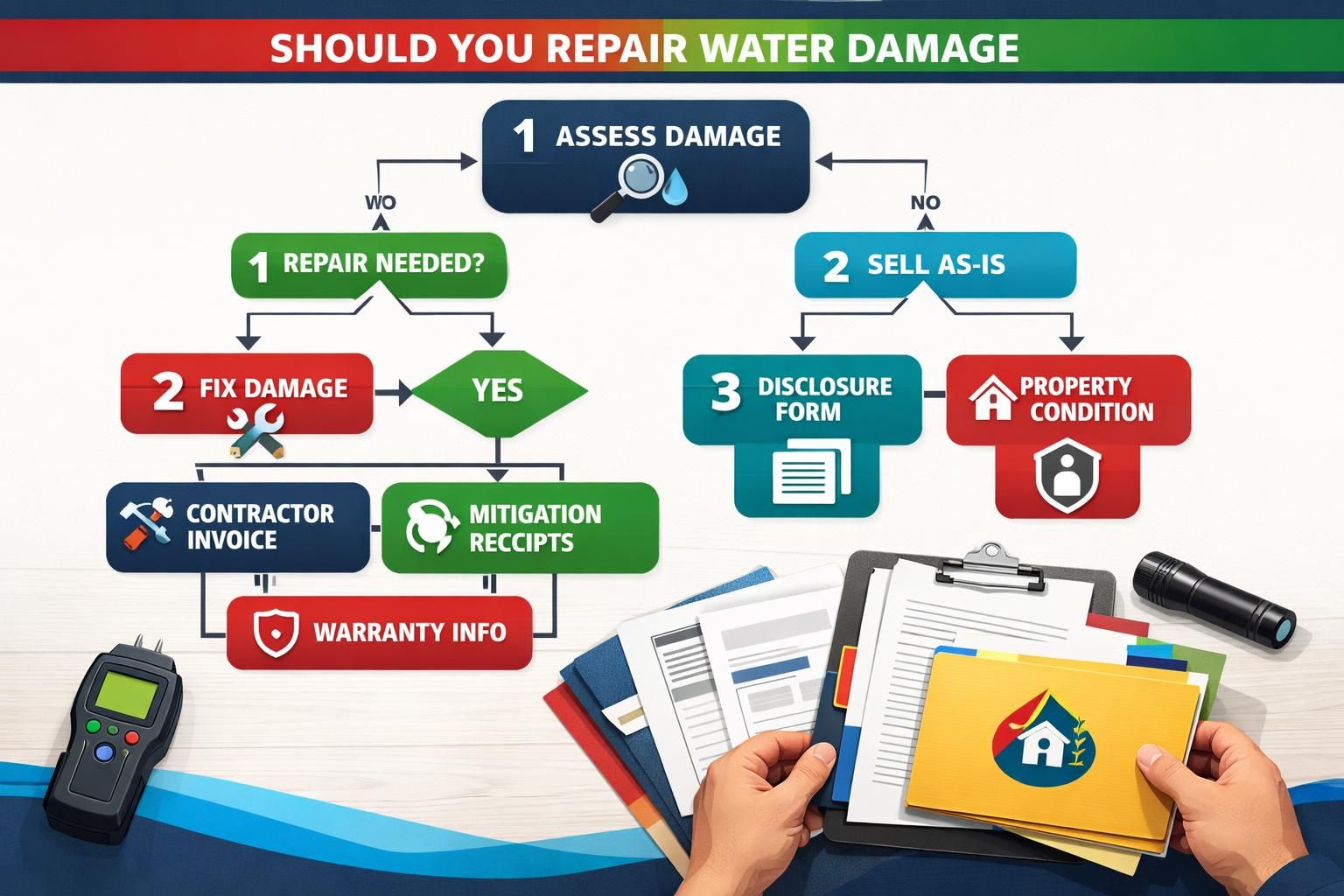
Separate three issues: active moisture, damaged materials, and stigma. Active moisture is non-negotiable. If anything is wet, musty, or reading high, fix it now or expect inspection fallout.
Use this checklist:
- Is the source fixed (roof, plumbing, grading, gutters, appliance)?
- Is the area fully dried, not just covered?
- Were porous materials removed if needed (insulation, baseboards, some drywall)?
- Do you have photos, invoices, and dates?
Selling As-Is vs Repairing First
Selling as-is vs repairing first comes down to who you want your buyer to be and how much uncertainty you’re willing to leave in the deal. Repairing first usually attracts traditional financed buyers and cleaner inspections, while as-is tends to attract investors or buyers comfortable managing risk and projects.
| Option | Best for | Limits | Typical buyer reaction |
|---|---|---|---|
| Repair first | Financed buyers, higher confidence | Takes time, requires oversight | Fewer objections, tighter discounts |
| Sell as-is | Speed, limited cash for repairs | Smaller buyer pool | Bigger discounts, more contingency pressure |
If you repair first, your best move is to fix the cause and document the process. That means:
- Proof the leak source is addressed (plumber invoice, roof repair invoice)
- Before-and-after photos that show removal, drying, and rebuild
- A clear list of what was replaced (drywall sections, baseboard, flooring, insulation)
- Any transferable warranties, if they exist
If you sell a house with water damage as-is, you’ll want to control the narrative. As-is doesn’t mean “mystery.” It means you’re not committing to repairs as part of the contract. You can still provide disclosures, inspection reports you’ve already obtained, and estimates you’ve gathered. That approach often keeps negotiations anchored to reality instead of fear.
Now, watch for a common mistake: letting buyers discover the problem for the first time during inspection. If you know there’s a water damage history, consider pre-list inspections or targeted moisture checks so you’re not reacting under deadline. When the buyer feels you’ve been upfront, they’re more likely to stay engaged even with a repair credit request.
And one more nuance: if the damage came from a known recurring source, like a shower pan or leaking tile assembly, buyers will assume it’s still a risk unless you can show it was rebuilt correctly leaking shower warning signs.
How to Price a Home With Water Damage
Price the home you actually have, then discount for unresolved risk, not just visible repairs. Buyers add cushions for time, uncertainty, and possible hidden damage.
Start with comps as if there were no water issue. List what’s unresolved: active moisture, unknown source, incomplete repairs, or missing documentation. Expect friction: fewer offers, stricter contingencies, and longer negotiations. Choose a tactic: repair first, offer credits, or price low to attract competition.
Professional quotes help set expectations, but buyers rarely credit you dollar-for-dollar. They discount for disruption, permits, and what may appear after demolition. Explaining the drying-to-rebuild sequence can reduce fear restoration process overview. Pricing impact hinges on whether the issue is closed out with documentation or still open-ended with odor, staining, or suspected mold. Some financing won’t allow visible defects.
FAQs
Can You Sell a House With Water Damage?
Yes, but disclose what happened and what was done. Buyers may proceed if the cause was fixed, the area dried, and documentation exists. Active or unclear issues scare buyers.
How Do I Handle a Buyer Asking for Proof of Repairs?
Provide invoices, a simple timeline, and photos if available. Include drying/cleanup scope. Stay factual and avoid guaranteeing the problem will never return.
Will an Inspection Always Find Previous Water Damage?
Not always, but inspectors often spot staining, patchwork, swelling, warped floors, or high moisture. They also flag repeat causes like poor grading or plumbing leaks.
Should I Get a Mold Test Before Listing?
Consider professional guidance if there’s musty odor, visible spotting, or long-term moisture. Testing isn’t always needed, but confirm the area is dry and stable first.
Conclusion
If you’re selling house with water damage, your best leverage is clarity: disclose what you know, show what you fixed, and price based on remaining risk instead of hoping buyers won’t notice. Decide early whether you’re aiming for a repaired, finance-friendly listing or a transparent as-is sale that trades price for speed. Your next step is simple: document the cause and scope, confirm the moisture issue is truly resolved, and choose a strategy that matches your timeline and budget. That’s how you keep negotiations grounded and protect the deal from last-minute surprises.