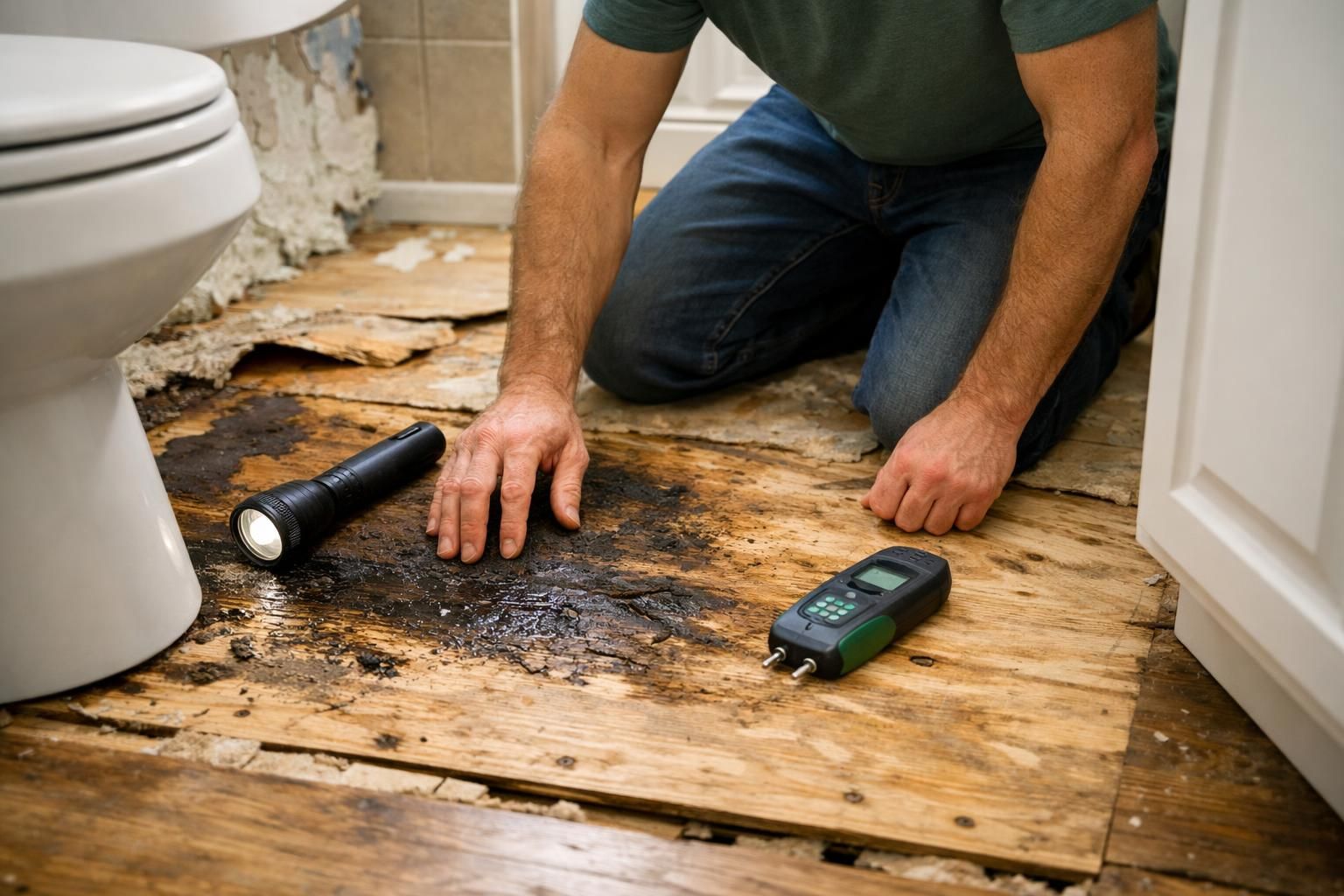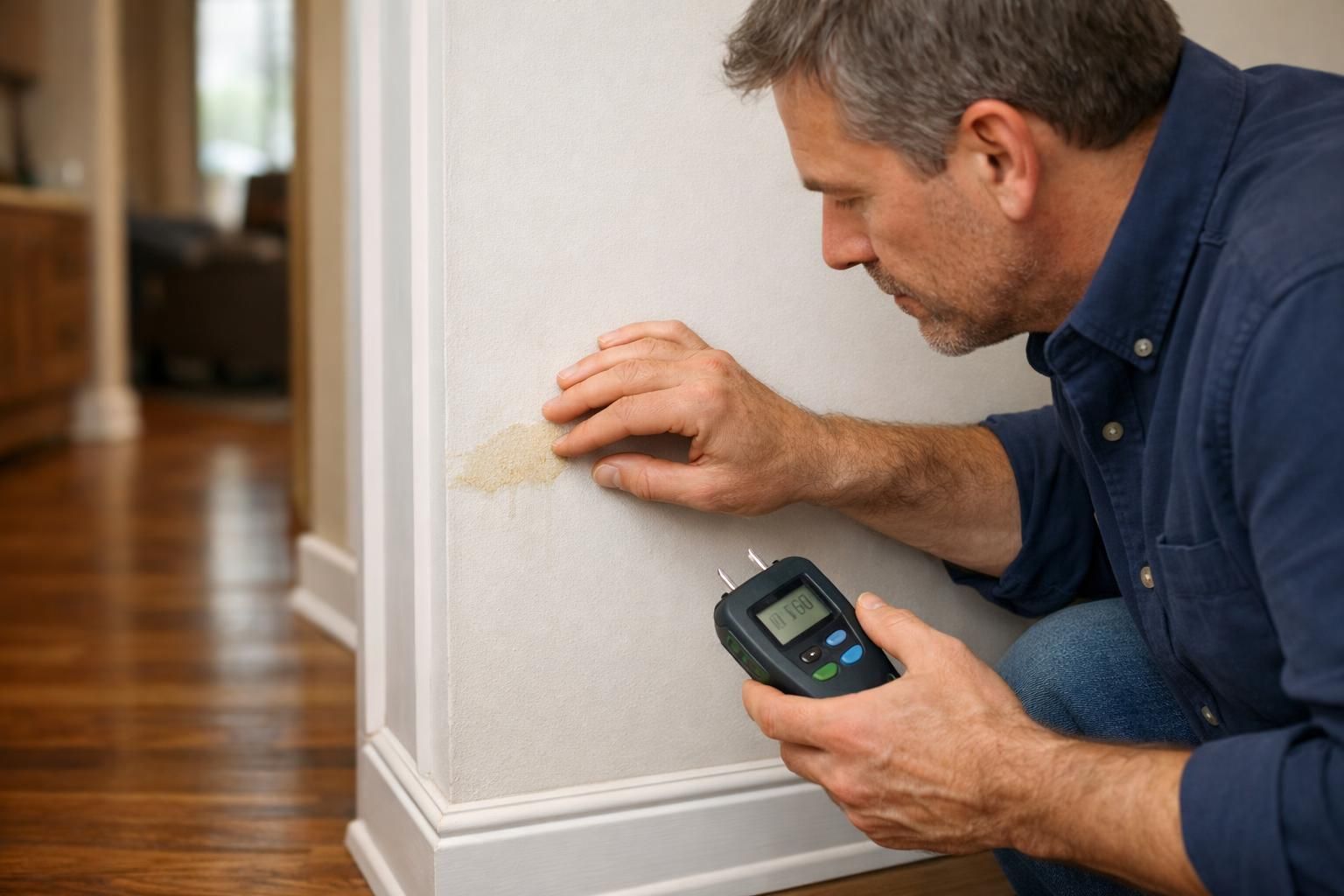
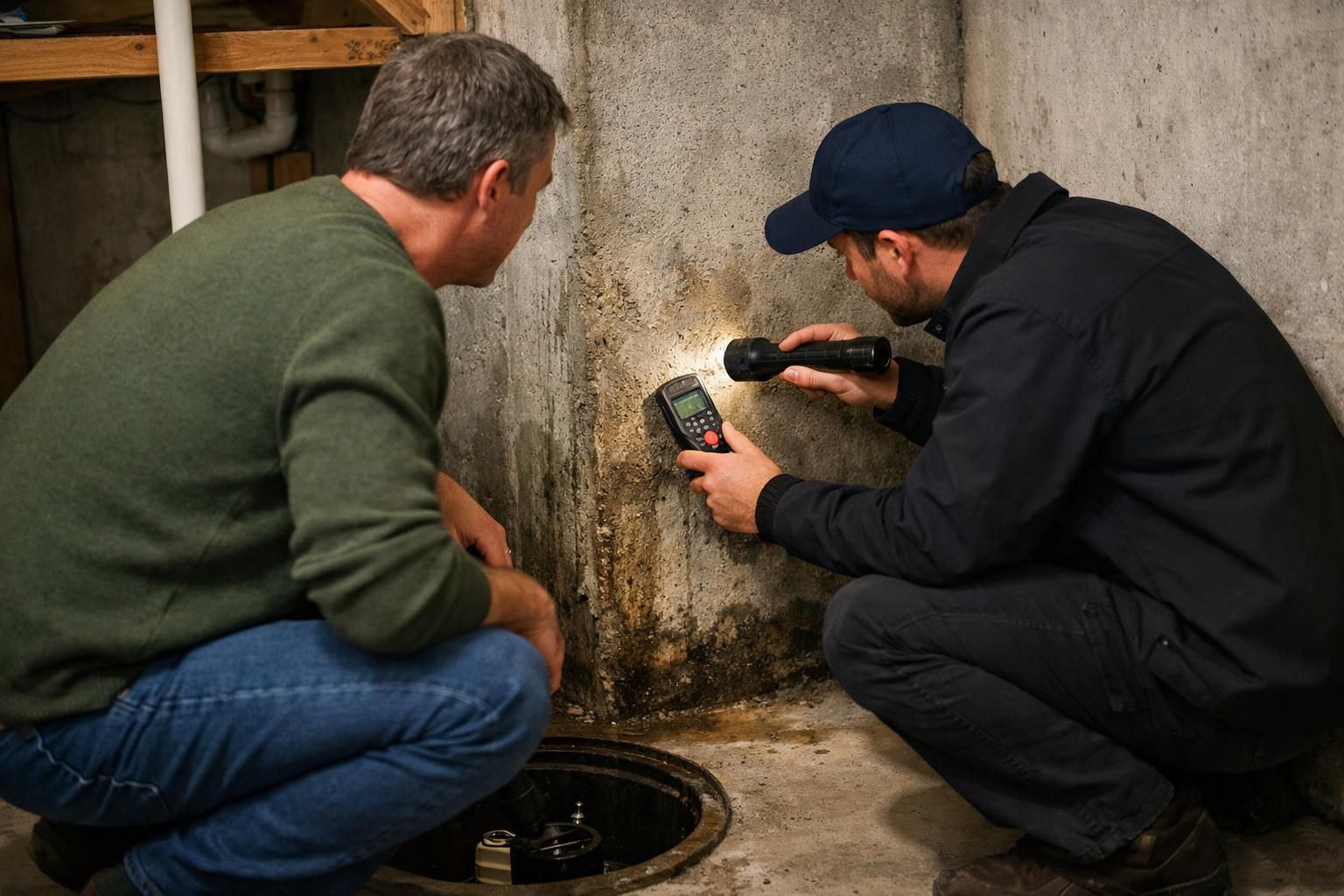
Basement waterproofing cost is one of those topics where the range can feel frustratingly wide until you match the solution to the problem you actually have. A musty smell after heavy rain is a different job than active water coming through a crack, and both are different from a high water table pushing moisture through the slab. In this guide, you’ll get a clear sense of what typically drives price up or down, how interior and exterior approaches compare, and when a “cheap fix” usually becomes a repeat expense. So what does this mean in practice? You’ll be able to ballpark options and ask better questions before you sign anything.
Best for: Homeowners comparing repair options after recurring dampness, seepage, or small leaks that show up during storms or snowmelt.
Not ideal when: You’re pricing without diagnosing the water path first, since the wrong system can fail even if it’s installed well.
Good first step if: You can document where water appears, when it happens, and whether it’s coming through walls, joints, cracks, or floor drains.
Call a pro if: Water enters fast, you see bowing walls, there’s standing water, or you suspect foundation movement or an exterior drainage failure.
Quick Summary
- The average cost to waterproof basement projects varies mainly because “waterproofing” can mean sealing, drainage, or full exterior excavation.
- Interior systems usually cost less upfront and manage water that’s already at the wall or slab.
- Exterior methods tend to address the source, but access, digging, and restoration can raise the total quickly.
- Your soil, grading, gutter setup, crack type, and existing damage all influence the final scope.
- DIY can help with moisture control and small gaps, but recurring seepage usually needs a designed system.
Average Basement Waterproofing Cost
Average basement waterproofing cost depends more on the water problem and method than basement size. Light dampness may only need sealing, airflow, and small exterior fixes. Seepage after rain usually signals drainage and hydrostatic pressure, calling for a system approach.
You’re buying risk reduction: lowering the chance water returns and relieving or controlling pressure at the wall. Sealant-only work can fit narrow cases but often leads to paying twice.
Think in tiers: moisture management, targeted crack repair, interior perimeter drain with sump, or exterior excavation with membrane and footing drains. After flooding, review steps after a basement flood before rebuilding or sealing.
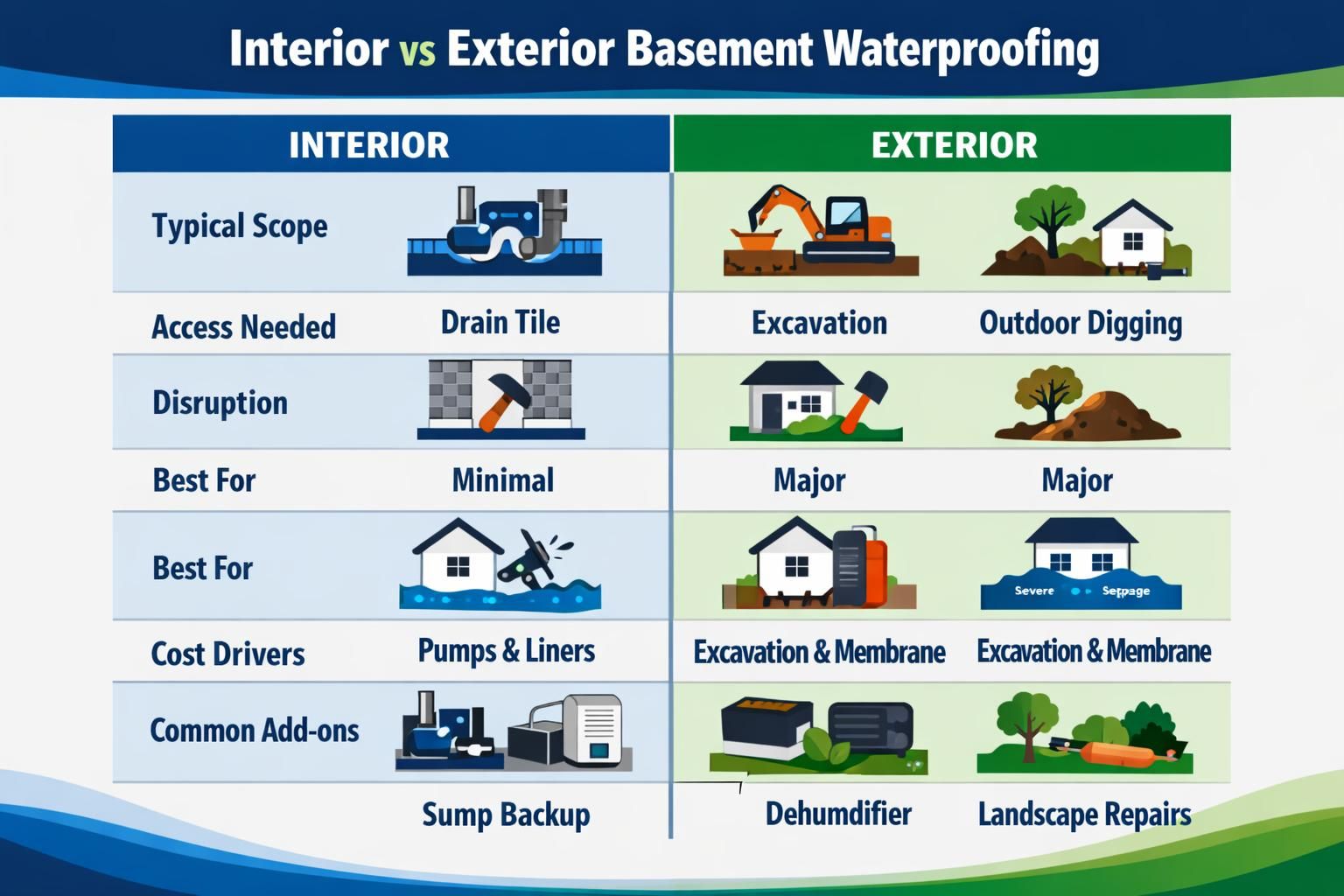
Interior vs Exterior Basement Waterproofing Cost
Interior waterproofing usually costs less than exterior waterproofing, but it typically manages water after it reaches your foundation rather than preventing it from getting there. That’s not automatically “worse.” It’s often the most realistic option when access is limited, landscaping is complex, or you need a reliable way to control seepage without digging.
Exterior waterproofing generally costs more because excavation and restoration add labor, equipment, and site complexity. But it can be the better long-term fit when the main issue is water sitting against the foundation due to poor drainage, failing exterior membranes, or a high water table. So what does this mean in practice? If you can stop water before it hits the wall, you’re reducing hydrostatic pressure and the chance of new entry points forming over time.
| Option | Best for | Limits | Disruption | Typical outcome |
|---|---|---|---|---|
| Interior drainage | Recurring seepage at cove joint | Doesn’t stop exterior saturation | Moderate indoor work | Water is collected and pumped away |
| Interior seal/injection | Isolated crack leaks | Not ideal for widespread seepage | Low to moderate | Seals a specific pathway |
| Exterior membrane/drainage | Persistent exterior water pressure | Access and digging constraints | High yard/driveway impact | Reduces water against foundation |
| Grading/gutters fixes | Surface water near foundation | Won’t fix groundwater pressure | Low | Less water reaches the wall |
If you’re comparing waterproofing basement cost scenarios, keep an eye on what’s included. “Interior waterproofing” can mean anything from a coat of waterproof paint to a full perimeter drain with a sump, and those are completely different scopes. The same goes for exterior bids: one contractor may include drainage board and footing drain work, while another only includes a membrane.
The cost to waterproof basement from inside can also climb if your basement is finished. Removing drywall, cabinets, or flooring to reach the perimeter changes labor time, debris handling, and rebuild decisions. And if the leak is behind a finished wall, you’re often paying for investigation first, not just the fix.
Factors That Affect Basement Waterproofing Cost
Basement waterproofing cost is driven by the water source, foundation condition, and access. Answering “why is water getting in” early prevents buying the wrong system and then adding fixes later.
Rain-only leaks often trace to runoff, downspouts, negative grading, or failed footing drains. Moisture in dry weather can indicate groundwater pressure, capillary wicking, plumbing leaks, or condensation.
Price drivers include excavation obstacles (decks, patios, tight side yards), foundation type and damage (block vs poured, wide cracks, bowing), sump placement and discharge needs, partial versus full-perimeter drainage, and mold or material removal. Compare prevention budget with water damage restoration costs.
Diagnosing the Real Entry Point
Good diagnosis prevents wasted spending by showing whether you have one defect or a drainage issue. Note patterns: wet wall-floor joint, tie-rod rust, one-wall dampness, or water after gutter overflow. Record timing, mark spots, check downspouts and pooling, and rule out plumbing leaks or drain backup.
Site Conditions That Quietly Raise Costs
Site conditions often drive cost. Slopes can send runoff toward the foundation, clay soil holds water against walls, and tight side yards can force slower hand excavation.
Also plan for restoration items. If exterior work requires removing a walkway, steps, or driveway sections, rebuilding must restore proper drainage or you can recreate the same leak.
DIY vs Professional Basement Waterproofing
DIY basement waterproofing can help with minor dampness and small, obvious gaps, but it rarely solves recurring seepage or hydrostatic pressure. Many DIY products block water on the inside while the real problem starts outside the wall, so water often finds a new path.
DIY fits low-risk steps: clean gutters, extend downspouts, regrade soil, seal small penetrations, run a dehumidifier, and monitor cracks.
Hire a pro when the fix needs design and integration: perimeter drains, sump sizing and discharge routing, exterior membranes, or structural review. If you’re unsure whether water is foundation-related or plumbing, rule out leaks first using find the leak source.
Common DIY Mistakes That Cost More Later
The costliest DIY mistake is sealing the surface and trapping water in the wall. Waterproof paint can blister and keep materials wetter if water still enters.
Other common mistakes: poor sump discharge that sends water back, fixing one corner when water travels along the footing, ignoring gutters and grading, and finishing before the leak is solved.
Is Basement Waterproofing Worth it
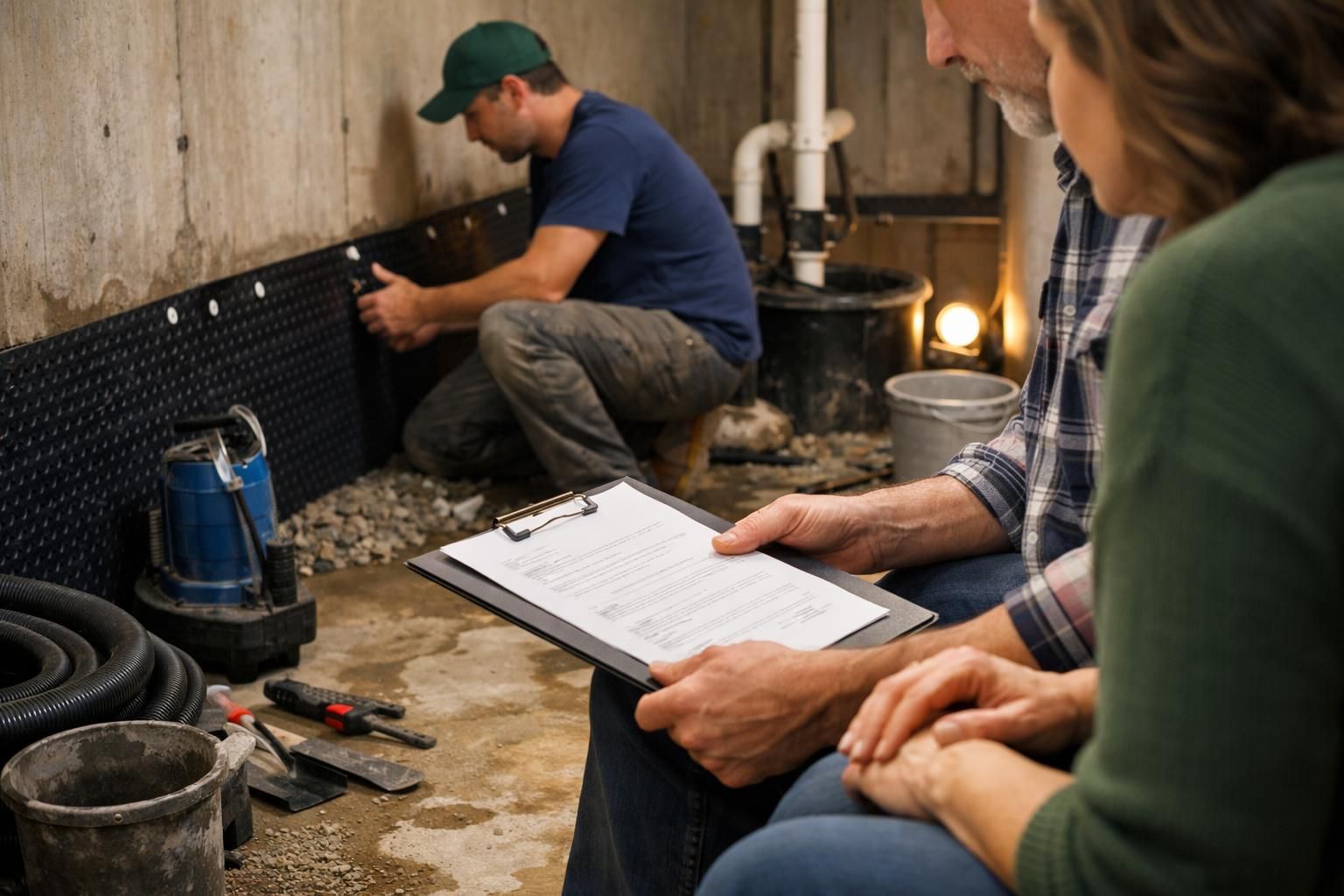
Basement waterproofing is worth it when it prevents repeat damage, protects usable space, and reduces daily moisture hassle. If the basement is only for storage, you may tolerate some dampness. For living space, laundry, or long-term storage, moisture control is essential.
Even small leaks can ruin finishes and belongings, create odors, support mold, and corrode appliances and electrical components.
Know what you’re buying. Many systems manage water, not eliminate it. Interior drains and sumps can work well, but you still need airflow, humidity-tolerant materials, and a discharge setup you can verify.
FAQs
What’s the Difference Between Waterproofing and Water Resistance?
Water resistance reduces absorption and minor dampness. Waterproofing aims to stop or control liquid water entry. In basements, it often includes drainage and pressure management, not just coatings, because pathways matter.
What’s a Realistic Way to Estimate Waterproofing Basement Cost Before Getting Bids?
Estimate by identifying the category: sealing, drainage, or excavation. Inspect during or after rain, document entry points, and check gutters and grading. Then request quotes for that scope.
Can You Waterproof a Basement From the Inside Only?
Yes. Interior perimeter drains and a sump often control seepage well. But they don’t reduce exterior saturation. With extreme pressure or deteriorating walls, exterior waterproofing may still be needed.
Why Do Some Basements Still Leak After Being “waterproofed”?
Repeat leaks usually come from using the wrong method for the water source or ignoring exterior water control. Sealing one crack won’t stop widespread seepage, and poor sump discharge can recirculate water back.
Does a Finished Basement Change the Approach?
Yes. Finished walls and floors limit access and can hide moisture. Choose a plan that allows inspection and maintenance, and use humidity-tolerant finishes. Often, solve drainage first, then rebuild selectively.
Conclusion
The smartest way to approach basement waterproofing cost is to match the fix to the water behavior, not the other way around. Start by documenting when and where water shows up, check gutters and grading, and decide whether you need targeted repairs, interior drainage, or exterior protection. If you’re comparing bids, make sure each contractor is solving the same problem, with the same scope. And if you’re aiming for a usable, low-stress basement, you’ll usually find that paying for the right system once beats chasing leaks over and over.