
Mold remediation cost depends far more on what is behind the visible spots than on the spots themselves. Two jobs that look similar from the room can end up with very different scopes once someone checks how far moisture traveled, what materials are affected, and whether the water source is still active.
This guide explains what drives the price, what national cost ranges look like, what is usually included, and how to compare estimates. It does not quote Total Dry Restoration’s own prices. An accurate number for your property comes from an on-site assessment.
Published national cost ranges
Consumer cost guides publish averages drawn from contractor and homeowner data. This Old House, citing Angi data in a guide updated in March 2026, lists these national figures for professional mold remediation (This Old House: mold remediation cost):
- Typical range: about $1,200 to $3,750, with many homeowners paying around $2,300.
- Small, contained problems: about $500 to $1,500. Large jobs: about $10,000 to $30,000.
- By area: roughly $10 to $25 per square foot, with small jobs often costing more per square foot because of minimum labor.
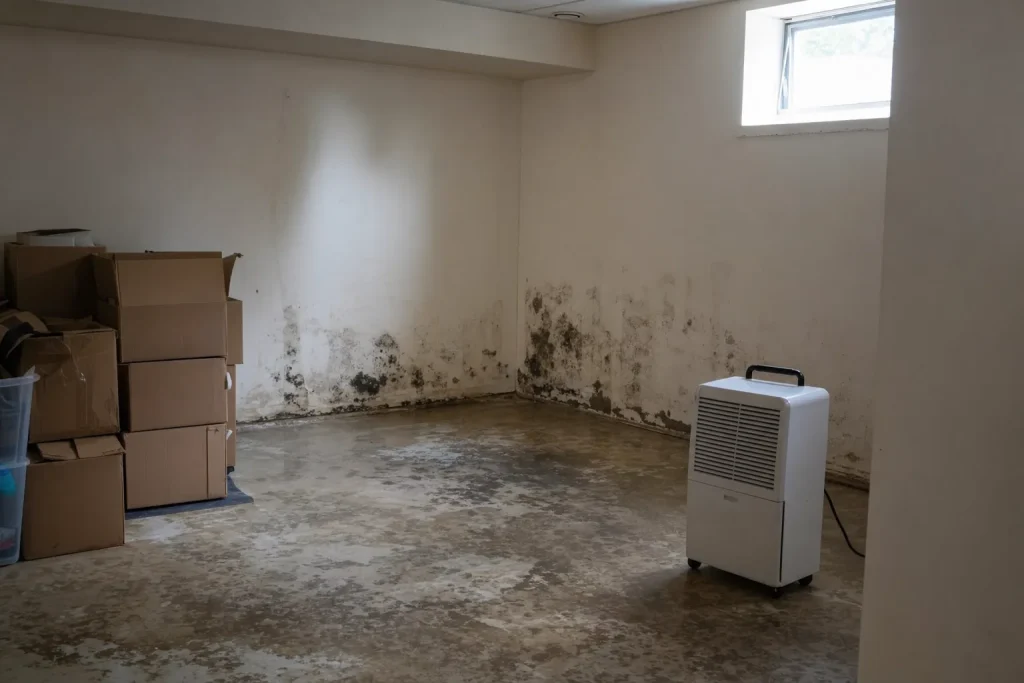
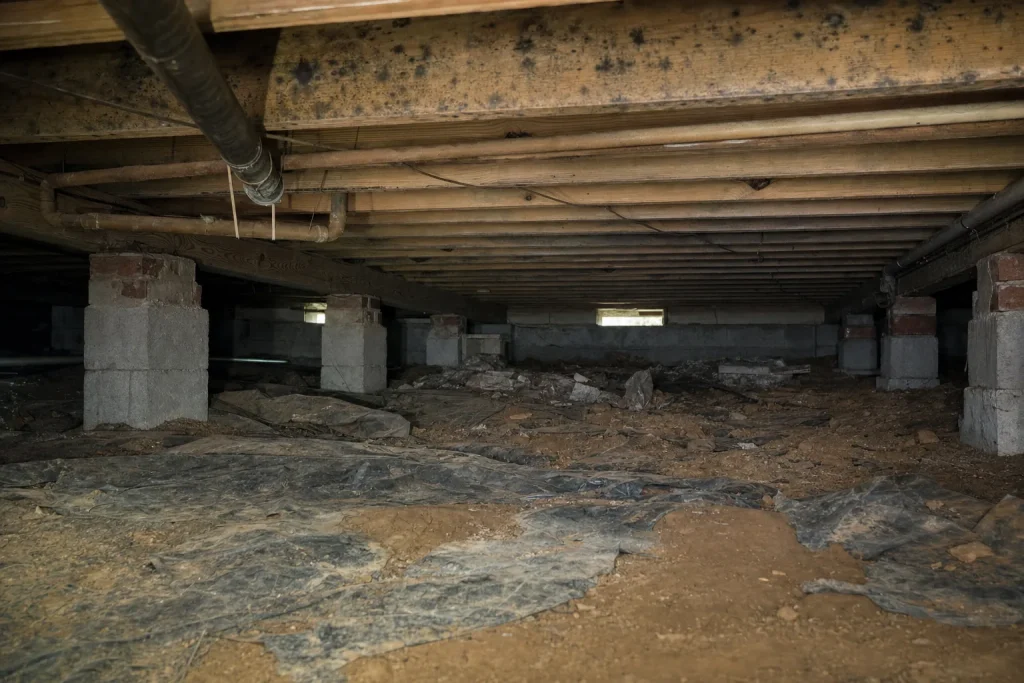
- By location: attic about $1,000 to $4,000, basement about $500 to $3,000, crawl space about $500 to $2,000, HVAC systems about $3,000 to $10,000.
Treat these as rough orientation, not a quote. Local labor costs, access, and the amount of material that has to come out can move a job well outside a national range.
What actually drives the price
How much area is affected
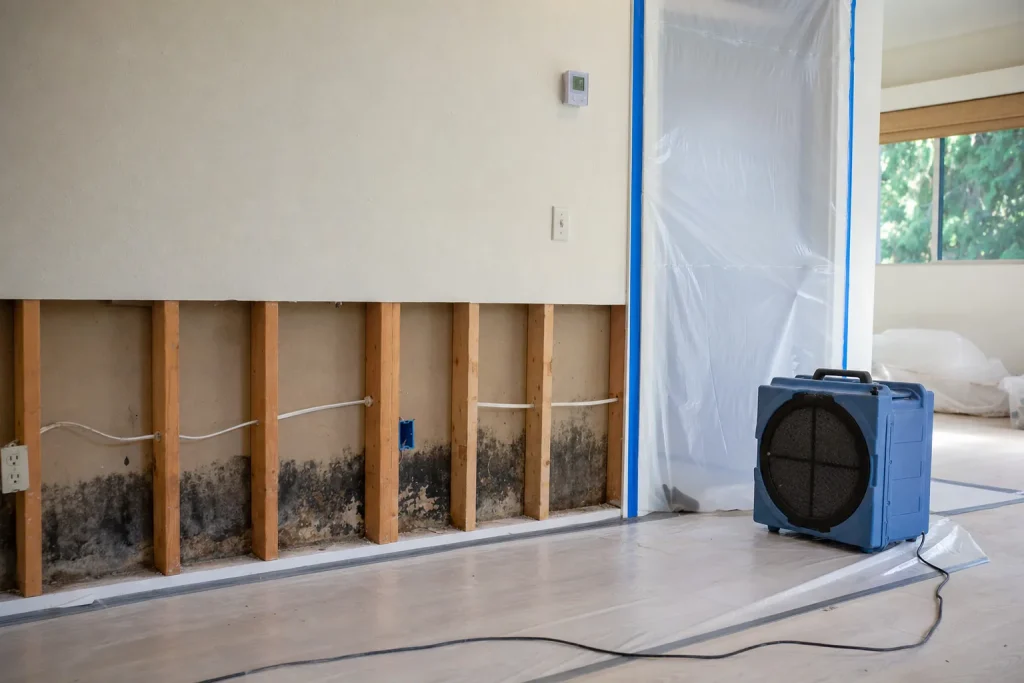
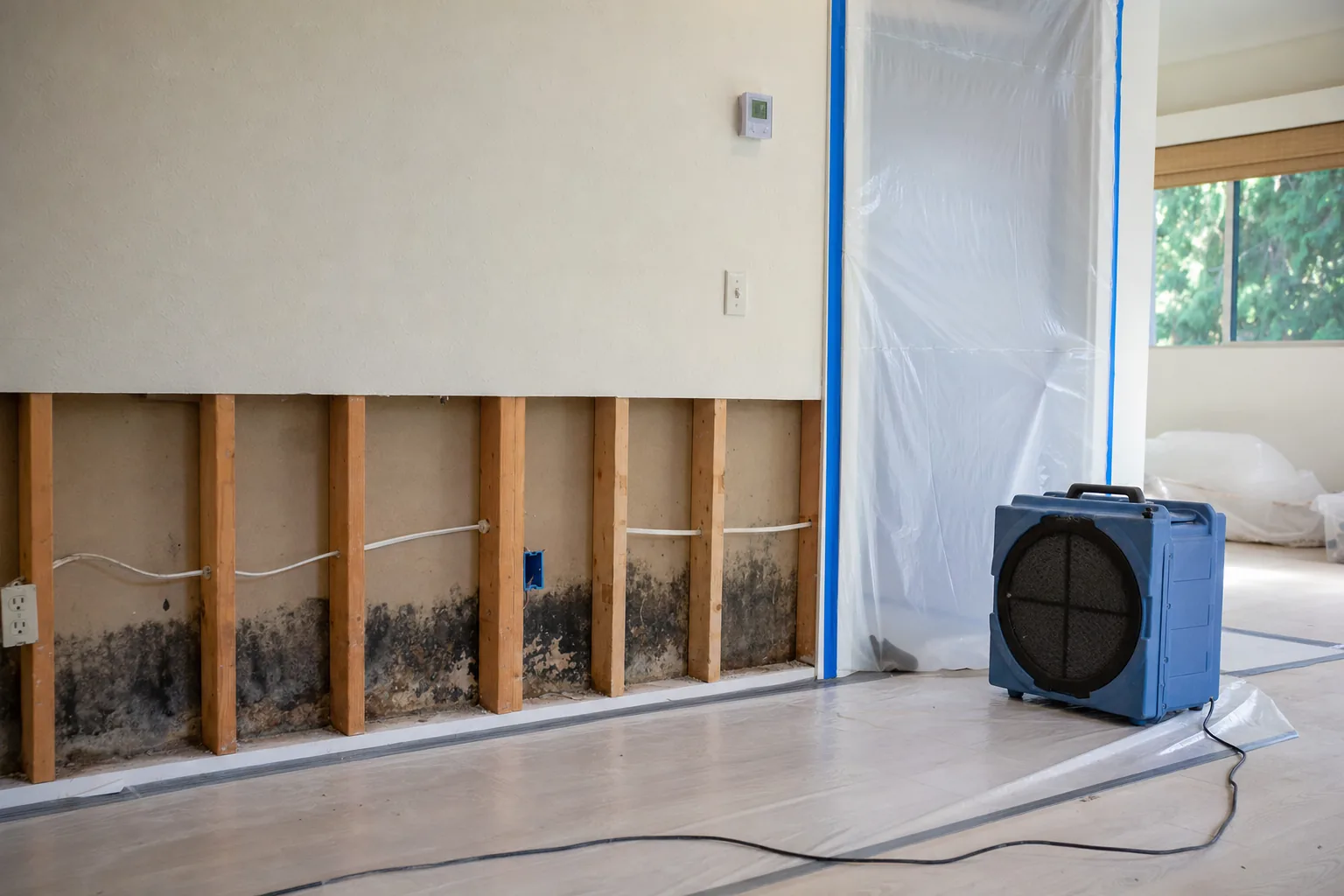
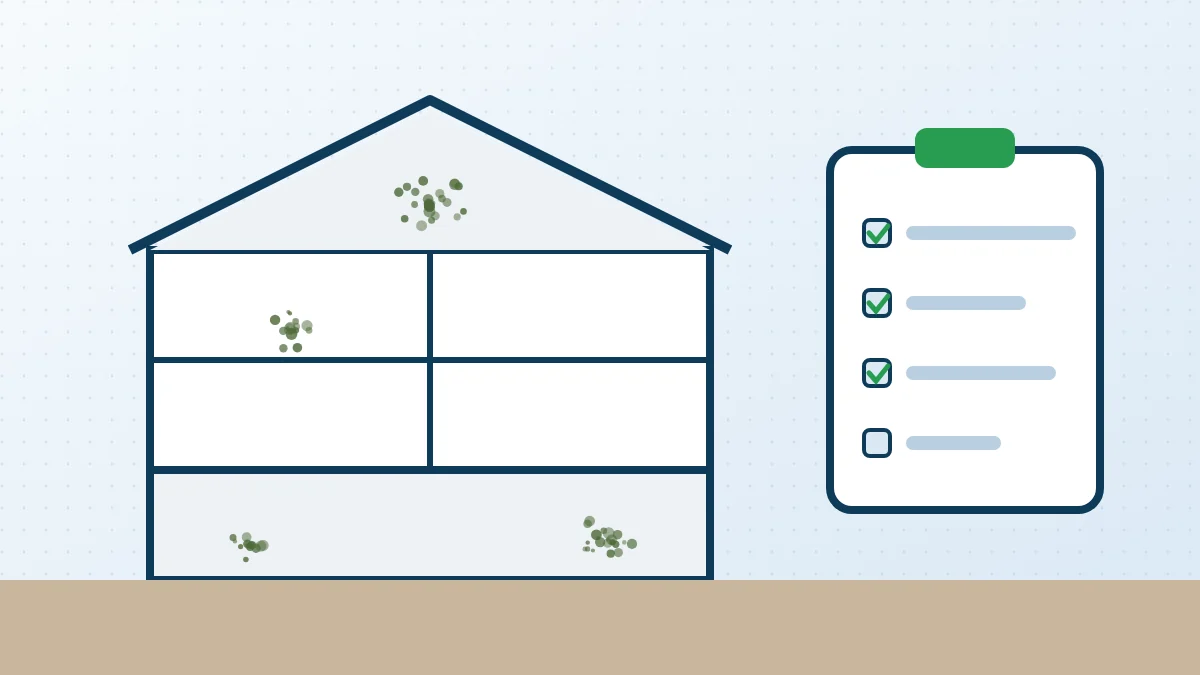
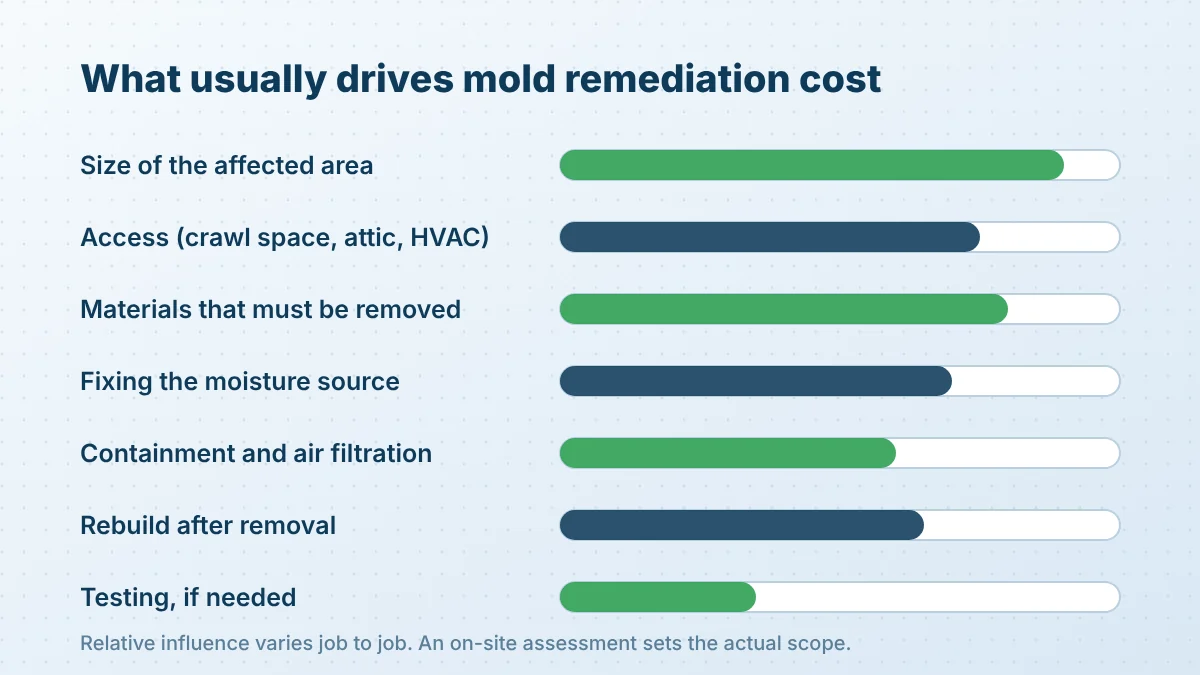
Square footage is the most obvious factor, but the hidden area matters more than the visible one. Mold on the face of drywall often continues on the back side, into insulation, or onto framing. A small surface patch can turn into a larger scope once the wall is opened.
Where the mold is and how hard it is to reach
Crawl spaces, attics, and HVAC systems cost more to work in because access is tight, setup takes longer, and debris has to be carried out carefully. Work inside ductwork or air handlers usually involves specialized equipment.
What has to be removed
Hard, non-porous surfaces can often be cleaned. Porous materials such as drywall, insulation, carpet, and ceiling tiles often have to be removed if they are moldy. EPA notes that absorbent materials like ceiling tiles and carpet may have to be thrown away (EPA: A Brief Guide to Mold, Moisture and Your Home). Removal, disposal, and later rebuilding add to the total.
Fixing the moisture source
Remediation does not hold if the moisture that caused the growth is still there. A plumbing leak, roof leak, drainage problem, or humid crawl space has to be corrected, and the area has to be dried. Some of that work may fall to a plumber, roofer, or drainage contractor and be priced separately.
Containment and air filtration
Larger jobs typically use plastic containment, negative air pressure, and HEPA filtration so spores and dust do not spread to clean areas during removal. The size of the work zone and the number of days on site affect this cost.
Testing, if it is needed
Testing is not always necessary. EPA’s guidance is that when mold is visible, sampling is usually unnecessary, and there are no federal limits for mold that sampling could be compared against. Testing can still be useful in specific situations, such as confirming that an area was adequately cleaned or investigating a smell with no visible source. When it is used, it adds a separate cost.
What a remediation estimate should include
A clear estimate makes it possible to compare contractors on the same scope. Look for:
- The areas and approximate square footage included.
- The moisture source and whether fixing it is included or excluded.
- Containment and air filtration methods.
- Which materials will be removed and which will be cleaned.
- How drying will be confirmed before rebuild.
- Whether rebuild (new drywall, insulation, paint, flooring) is part of the price or a separate estimate.
- Whether any testing is included, and why.
If two estimates are far apart, the difference is usually in scope. Ask each contractor what they are removing, how they are containing the work, and how they will confirm the area is dry.
Small jobs you may handle yourself
EPA guidance says that if the moldy area is less than about 10 square feet, most people can handle the cleanup themselves, while larger areas or extensive water damage call for professional help. Hard surfaces can be scrubbed with detergent and water and dried completely. Do not paint or caulk over moldy surfaces before they are cleaned and dry. If the water involved was sewage or otherwise contaminated, or if anyone in the home has health concerns, get professional help and talk to a health professional first.
Does insurance cover mold remediation?
It depends on the policy and on the cause. Coverage, when it exists, is often tied to whether the mold resulted from a sudden water event the policy covers, rather than long-term humidity or a slow leak. Policies also vary in exclusions and limits. Read your policy, ask your insurer before work begins, and keep photos and records of the water event and the drying.
Getting an accurate number
The fastest way to an accurate price is an assessment that finds the moisture source and maps how far it traveled. If you are in Burien, White Center, Tukwila, Des Moines, or nearby, our mold remediation service starts with that assessment. For related guides, see mold after water damage, mold behind drywall, and mold in the crawl space.