
The fire may be out, but your home may not be safe to enter yet. If you’re a Burien or South King County homeowner standing outside after the fire department leaves, focus on safety, documentation, and getting the right help before cleanup starts.
- Confirm everyone is safe and call 911 again if anyone has symptoms or you see smoke, sparks, or new flames.
- Wait for official re-entry clearance from the fire department, building official, or another authority.
- Contact your insurance company and ask what photos, receipts, and notes they want.
- Photograph and video damage before moving belongings.
- Avoid wiping soot, testing electronics, running heating or air systems, or removing wet materials yourself.
- Arrange professional fire damage cleanup when the home is cleared for assessment.
Quick Answer: What to Do First
Your first job is to keep people safe, not to save belongings. Use this after house fire checklist before you touch anything, open doors, or start cleanup.
- Confirm everyone is out and accounted for. Move people and pets away from the structure. If anyone may be hurt, exposed to smoke, or missing, call 911 right away.
- Wait for official re-entry clearance. Don’t go back inside until the fire department, building official, or another proper authority says it’s safe. A home can look calm from the curb while still having electrical hazards, weak floors, poor air quality, or hidden hot spots.
- Contact your insurance company. Tell them there was a fire and ask what they want documented before anything is moved. Write down the claim number and the name of the person you spoke with.
- Document from a safe place. Take wide photos, close-ups, and short videos of damaged rooms, smoke patterns, water on floors, and affected belongings. Save receipts for hotel stays, meals, pet boarding, clothing, or other temporary expenses.
- Don’t clean soot, ash, or extinguisher residue yourself. Even a small kitchen fire can leave smoke and powder in nearby rooms, cabinets, and vents.
- Arrange professional assessment. If you’re in Burien or South King County, fire damage cleanup crews can inspect smoke, soot, water, and odor issues after the home is cleared.
Wait for Safety Clearance Before Re-Entering
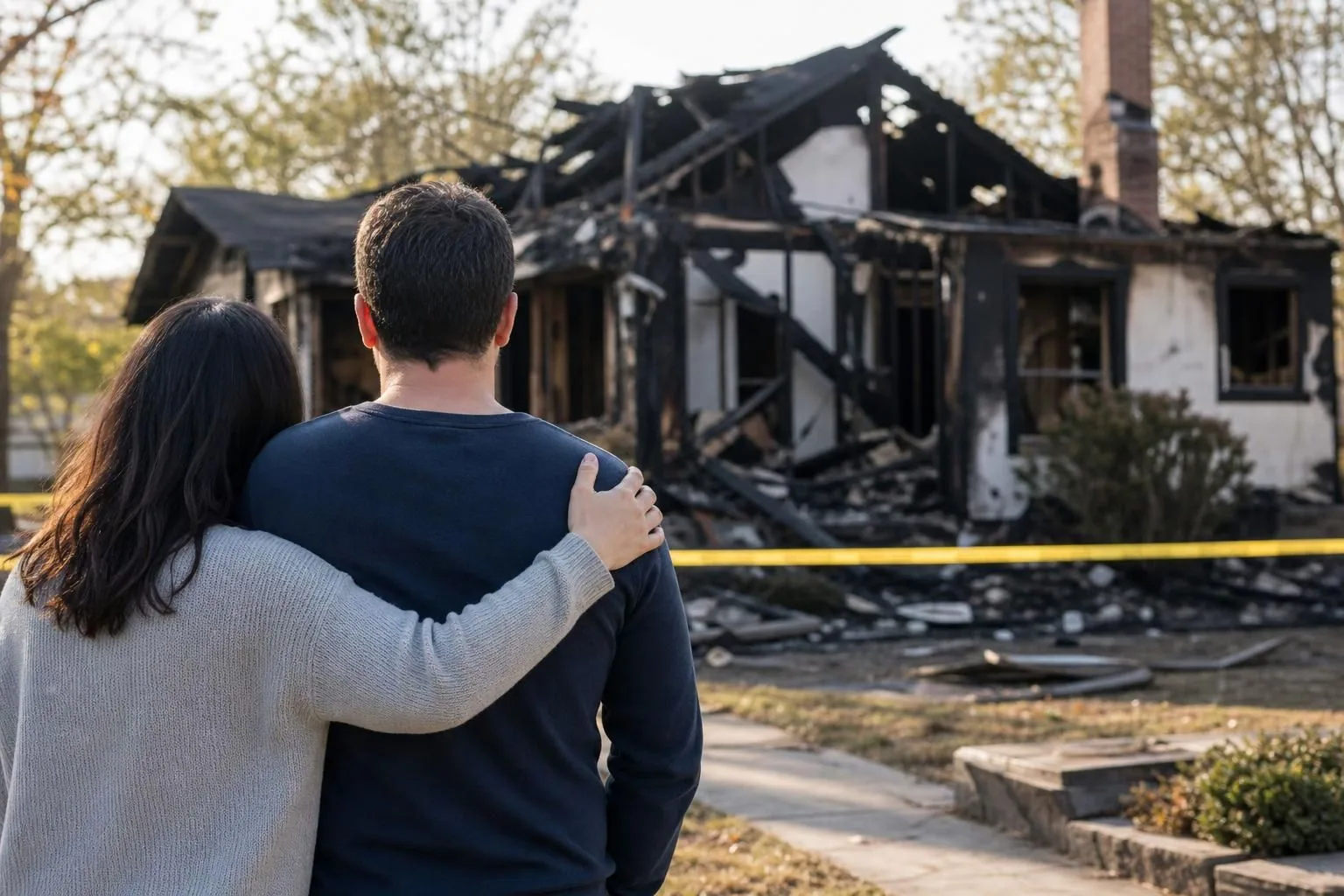
Don’t go back inside just because the flames are out. A house can look calm from the sidewalk while still having weak floors, damaged wiring, smoky air, or hidden hot spots inside walls.
If you’re a Burien or South King County homeowner returning after the fire department has left, treat the home as off-limits until an official says it’s safe. That person may be the fire department, a building official, or another authority handling the scene.
| Situation | Who to wait for | Why it matters | What you can do |
|---|---|---|---|
| Fire just ended | Fire department | Hot spots and smoke may remain | Stay outside |
| Visible sagging or cracks | Building official | Structure may be unstable | Keep distance |
| Garage or utility fire | Appropriate authority | Electrical or chemical hazards may exist | Don’t touch panels or stored items |
- Stay outside the home and keep children, pets, and visitors away from doors, garages, porches, and damaged areas.
- Ask the fire department who will give re-entry clearance. If you’re not sure, call the non-emergency number for guidance instead of guessing.
- Wait for clear instructions. “The fire is out” doesn’t always mean “you can go inside.”
- Once cleared, enter only the areas you’re told are safe. Don’t step into rooms with sagging ceilings, soaked floors, heavy smoke residue, or exposed wiring.
This waiting period can feel frustrating, especially when your belongings are right there. But it protects you from risks you can’t see from the doorway.
Document Damage Before Moving Items
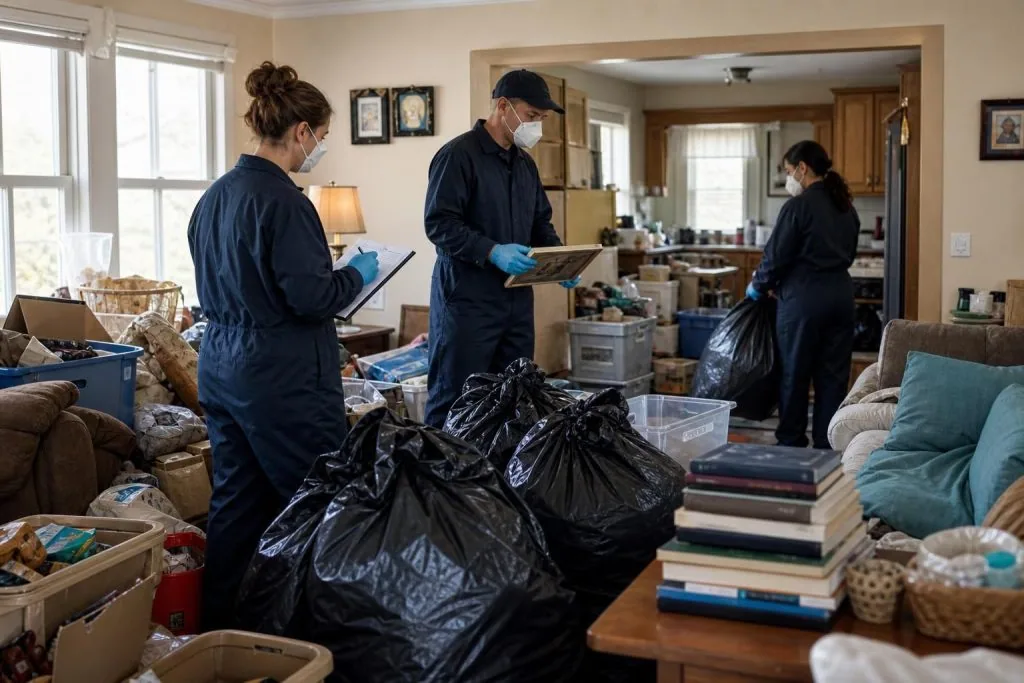
Before you move a chair, wipe a counter, or toss burned items, create a simple damage record for your insurance claim. Think of it like taking “before” photos at a job site. Once items are moved, it’s harder to show what happened.
- Take wide photos first. Stand in the doorway of each cleared room and photograph the whole space. Capture ceilings, floors, walls, windows, and the path smoke or water traveled.
- Take close-ups next. Photograph burned areas, soot-covered surfaces, damaged appliances, broken glass, wet flooring, stained walls, and personal belongings.
- Record a slow video walkthrough. Say the date, room name, and what you’re seeing. For example: “Kitchen, Monday morning, soot on cabinets, extinguisher residue on stove, smoke staining near ceiling.”
- Write quick notes. List damaged items by room. You don’t need perfect descriptions yet. “Living room sofa smells strongly of smoke” is useful.
- Save receipts for temporary expenses. Keep records for hotel stays, meals, clothing, pet boarding, and emergency supplies. Ask your insurance company what they want submitted.
- Don’t sort piles yet. In a Burien or South King County home, even a small kitchen fire can leave smoke and extinguisher residue far beyond the visible burn area.
If something feels unsafe to approach, skip it and photograph from a distance. Documentation matters, but your safety matters more.
Smoke, Soot, Water, and Odor: What to Expect
Smoke damage often reaches farther than the burned room. Smoke is the dirty air created by the fire. It can move through hallways, vents, closets, attic spaces, and tiny gaps around doors. Think of it like steam from a shower, except it leaves residue behind.
Soot is the dark powdery film left after materials burn. You may see it on walls, ceilings, counters, dishes, windows, and inside cabinets. Don’t wipe it yet. Dry soot can smear into paint and fabric. Oily soot from plastics or kitchen fires can bond to surfaces and may need special cleaning methods.
Firefighting water can also create damage that isn’t obvious right away. In a bedroom or living room fire, water may run under flooring, into wall cavities, or down to lower rooms. Wet insulation, carpet padding, and baseboards can hold moisture even when the surface looks dry.
Odor is another clue. A strong smoke smell can linger in soft items like curtains, mattresses, clothing, and upholstered furniture. It can also sit inside heating, ventilation, and air conditioning systems, often called HVAC systems. That’s the equipment that moves heated or cooled air through your home.
You may also see extinguisher dust, broken glass, fallen drywall, or stained water trails. Some items may be restorable. Some may not. For now, your safest job is to notice, photograph, and leave the cleanup decisions for a trained assessment.
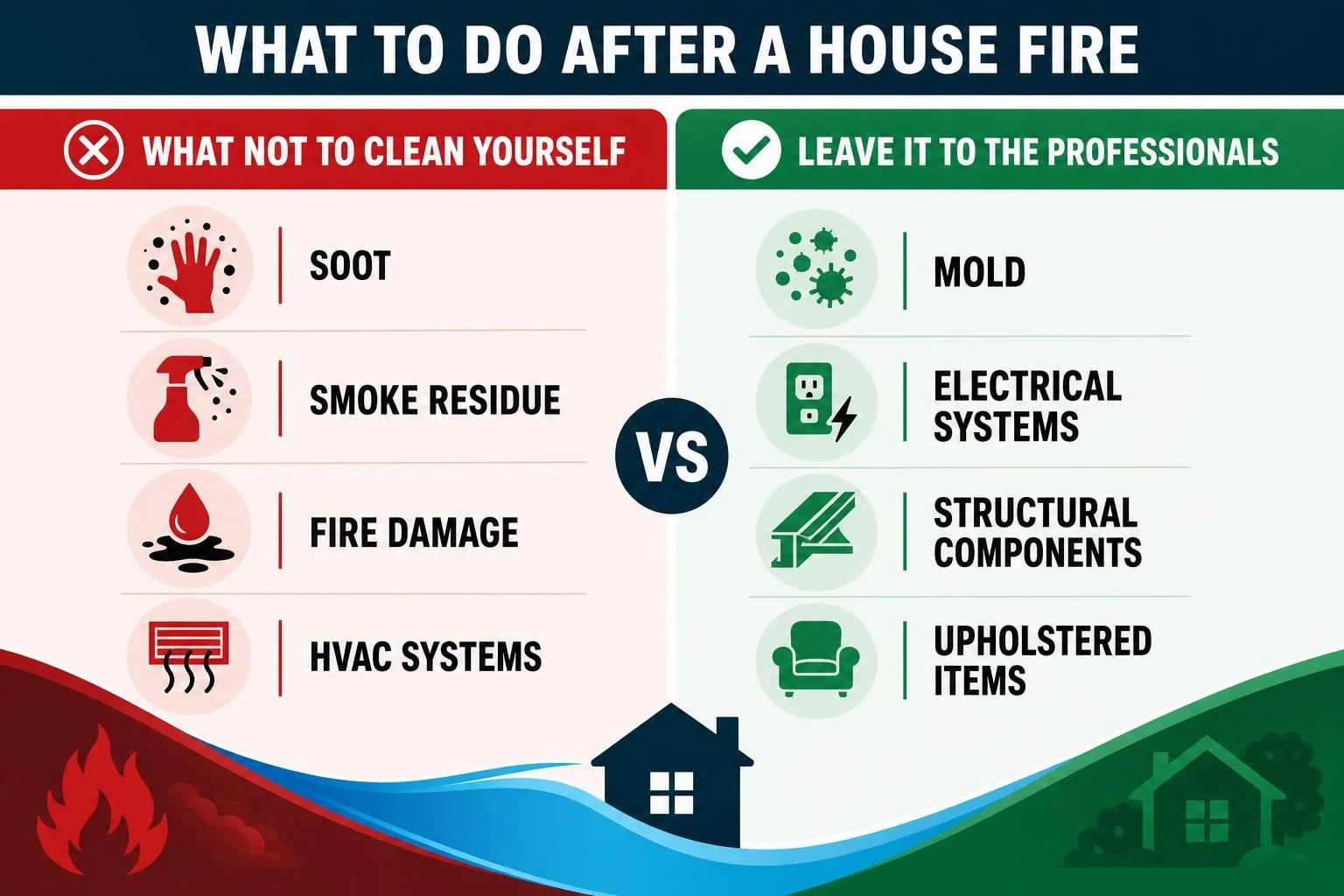
What Not to Clean Yourself
Some cleanup looks simple, but soot and fire residue don’t behave like normal dust. Wiping the wrong surface can smear stains deeper, spread odor, or damage items your insurance company may still need to review.
Avoid cleaning these on your own:
- Electronics and appliances. Don’t test televisions, computers, kitchen appliances, outlets, or garage equipment after fire, smoke, or water exposure.
- Clothing, curtains, rugs, mattresses, and upholstered furniture. Regular washing can set smoke odor into fabric instead of removing it.
- Heating, ventilation, and air conditioning systems. Don’t run or clean HVAC equipment yourself. Smoke residue can sit inside vents and move through the home.
- Wet insulation, drywall, flooring, and carpet padding. Water from firefighting can travel into hidden layers, especially after a bedroom or living room fire.
- Garage or utility-area items. Leave chemicals, tools, stored fuels, electrical panels, and damaged shelving alone until they’re assessed.
- Rooms with sagging ceilings, soft floors, heavy charring, or falling debris. Don’t sort belongings in unstable areas.
For a Burien or South King County homeowner, the safest “cleanup” before help arrives is simple: photograph, make notes, keep receipts, and leave the actual fire damage cleanup steps to trained restoration professionals.
When to Call a Fire Damage Restoration Company
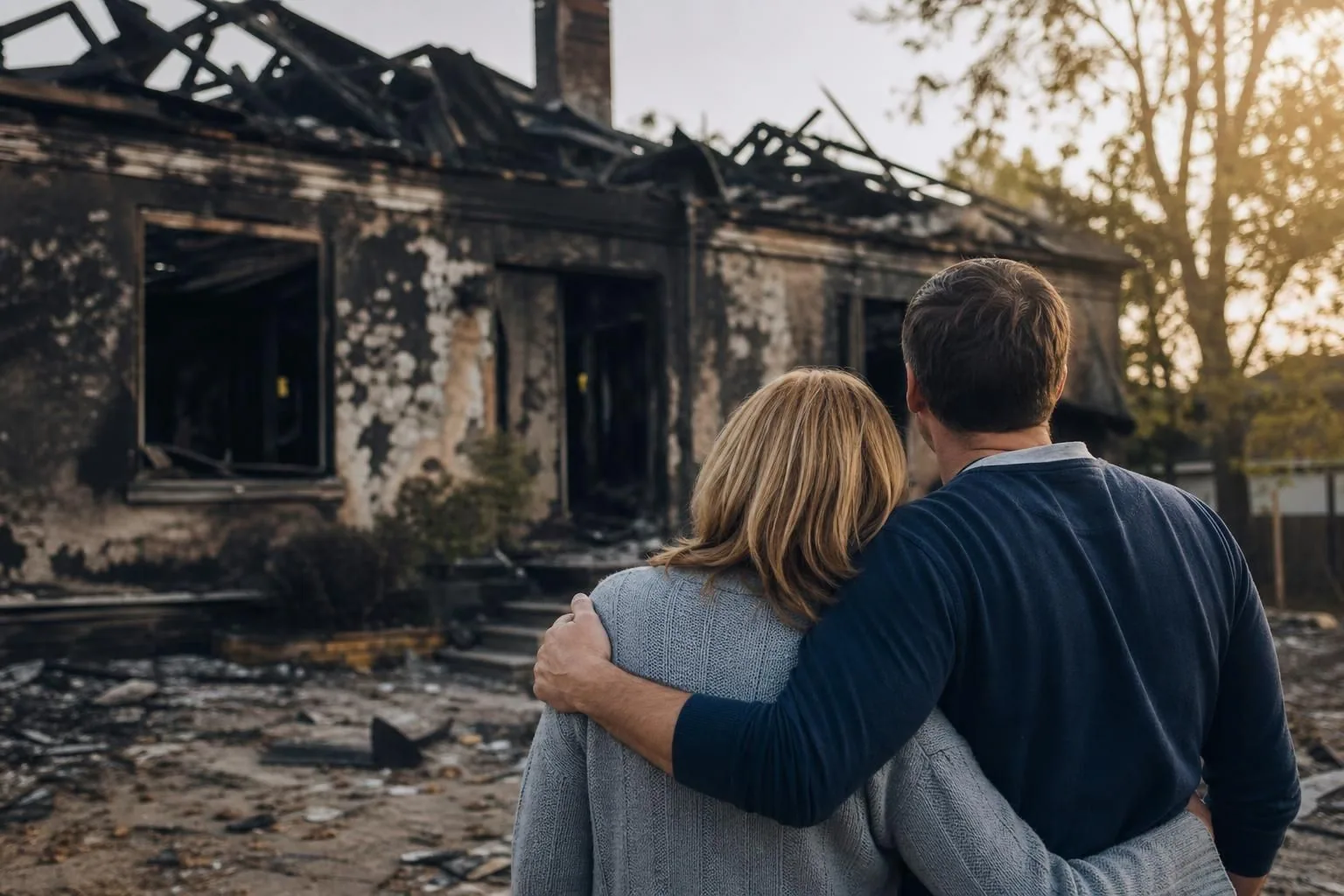
Call a fire damage restoration company as soon as everyone is safe, the fire is out, and you’re ready to plan cleanup with your insurance company. You don’t need to wait until smoke odor “settles” or surfaces dry out. Waiting can make documentation and cleanup planning harder.
Use this simple order:
- Confirm you have official re-entry guidance. If you haven’t been cleared to enter, stay out and make calls from outside the home or another safe place.
- Contact your insurance company. Ask how they want photos, receipts, and restoration estimates submitted.
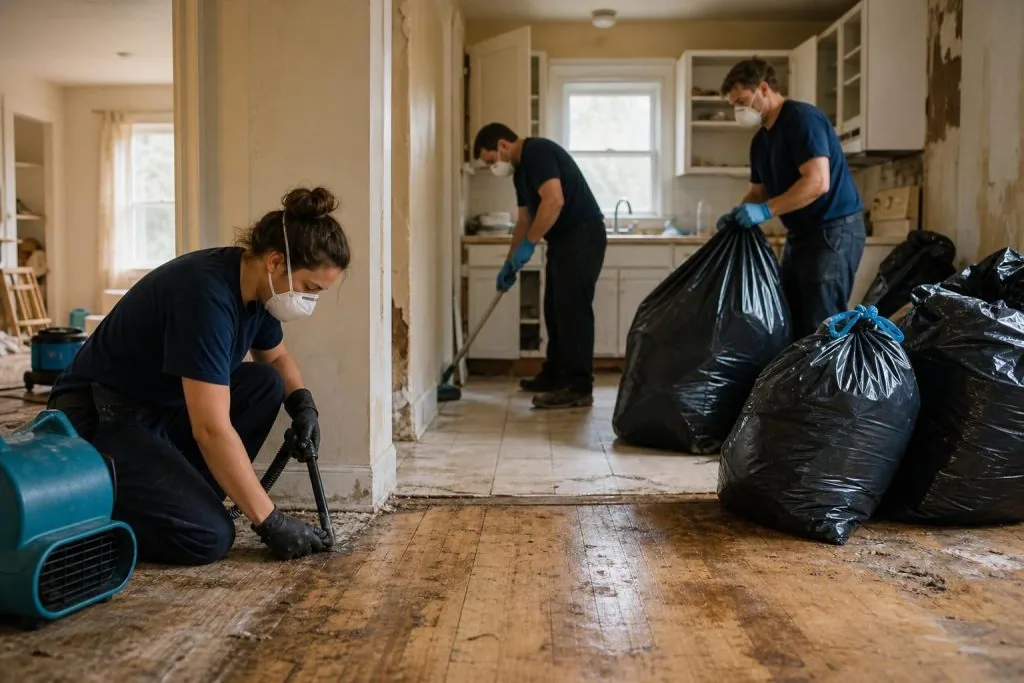
- Call a local fire damage cleanup team before you clean. This matters if there’s soot on walls, smoke odor in multiple rooms, extinguisher residue, wet flooring, damp drywall, or possible heating and ventilation contamination.
- Share what you know. Tell them where the fire started, whether water was used, whether the electrical panel, garage, kitchen, bedroom, or living room was involved, and whether you see sagging ceilings or soaked areas.
For Burien and South King County homeowners, professional help is especially useful when damage spreads beyond the burned spot. A small kitchen fire can leave residue in nearby rooms. A bedroom fire can send water into flooring. A garage fire can involve electrical or chemical hazards.
You can learn more about professional [fire and smoke cleanup](/services/fire-and-smoke-damage-cleanup/) or [request help from our restoration team](/contact-us/).
FAQs
When Can I Go Back Inside After a House Fire?
Go back only after the fire department, building official, or another appropriate authority says it’s safe. The flames may be out, but there can still be weak flooring, electrical hazards, poor air quality, or hidden hot spots.
What Should I Throw Away After a House Fire?
Don’t start throwing things away until you’ve taken photos and checked with your insurance company. Food, medicine, cosmetics, and heavily smoke-damaged soft goods may not be safe to keep, but document them first if you can do so safely.
Will the Smoke Smell Go Away on Its Own?
Usually, no. Smoke odor can settle into walls, furniture, carpet, clothing, vents, and insulation. Opening windows may help with light odor after clearance, but strong smoke smell often needs professional cleaning and deodorizing.
What Does My Insurance Company Need After a Fire?
Start with wide photos, close-up photos, a video walkthrough, and a written list of damaged items. Save receipts for hotel stays, meals, clothing, pet boarding, or other temporary expenses. Your adjuster will tell you what they need for your specific claim.
How Soon Should Cleanup Start?
Cleanup should start after the home is cleared for access, damage is documented, and your insurance company has been notified. In Burien and South King County, it’s smart to arrange help early because smoke, soot, and water damage can spread beyond the burned area.
Conclusion
Knowing what to do after a house fire starts with one rule: don’t enter, move items, or clean until the home has been cleared and your damage has been documented. Confirm everyone is safe, contact your insurance company, take photos and notes when access is allowed, and leave soot, smoke odor, water damage, electrical concerns, and unstable areas to trained professionals.
If you’re in Burien or South King County, the safest next step is to get local fire damage cleanup guidance before belongings are disturbed. When you’re ready, [contact a restoration team](/contact-us/) so you can plan the next phase safely and calmly.